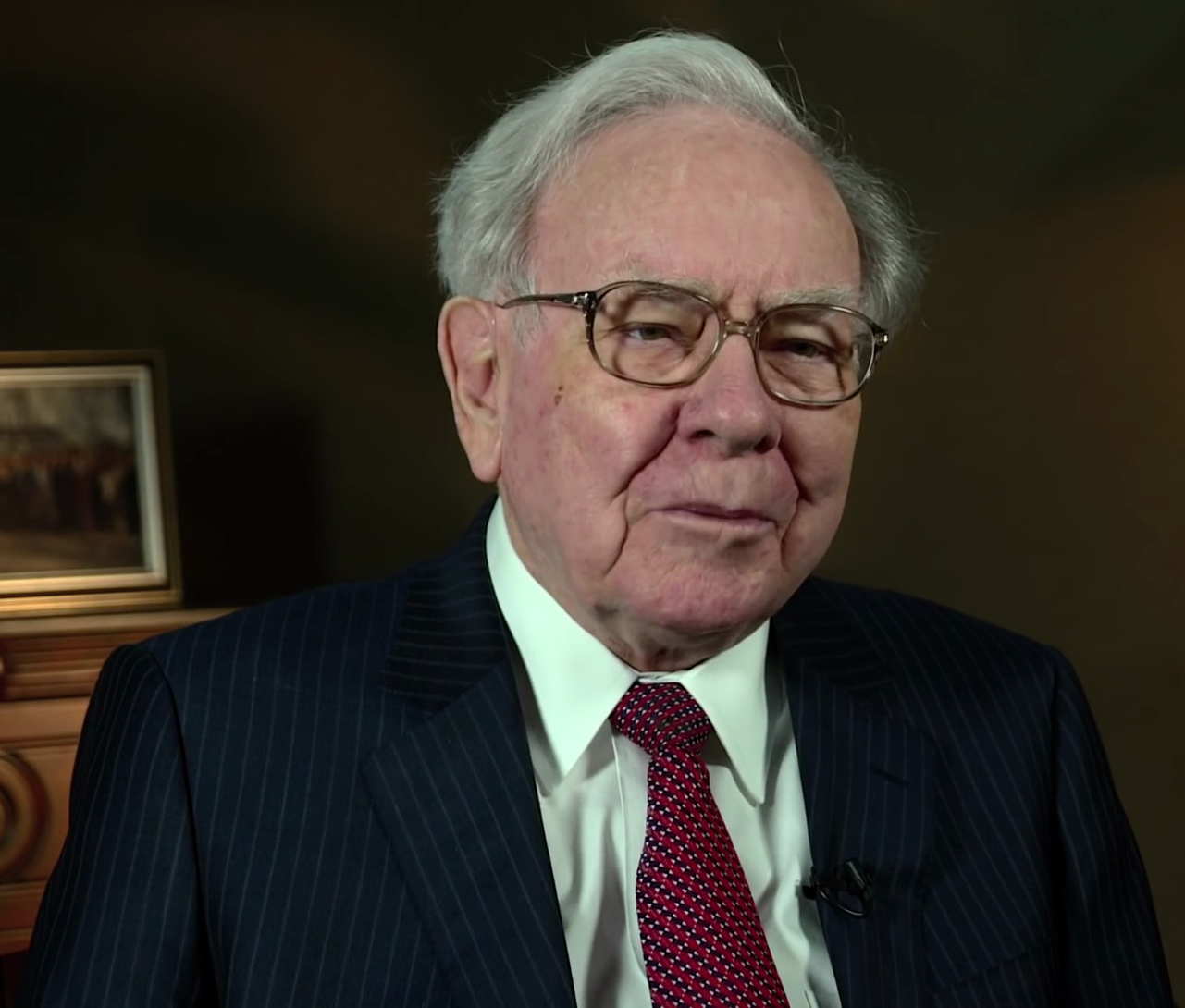
Berkshire Hathaway CEO Greg Abel detailed his operational strategy during the company's annual shareholders meeting in Omaha, Nebraska, on May 2, 2026 [1].
The event marked the first time the meeting took place without Warren Buffett on stage. Abel's presentation aimed to reassure investors that the company would maintain its unique corporate identity and strategic direction during this leadership transition [2].
Abel said he will divide his professional focus between two primary pillars: overseeing the conglomerate's diverse subsidiaries, and managing the equity portfolio [1]. This dual approach is designed to ensure that the operational businesses continue to run efficiently while the investment arm seeks growth opportunities [1].
Financial data released during the period indicates a significant increase in liquidity. Berkshire Hathaway's cash and cash equivalents rose to a record $397.38 billion [3]. This massive cash pile provides the company with substantial flexibility for future acquisitions or market movements.
The company also reported a recovery in its core profitability. Operating earnings jumped nearly 18 percent from a year ago [3]. This growth follows a volatile period, as the previous quarter had seen a 30 percent drop in operating earnings [3].
Throughout the session, Abel focused on the continuity of the Berkshire model. He said that the company will remain unique in its structure and approach to capital allocation [2]. The strategy involves balancing the stability of owned businesses with the opportunistic nature of the stock portfolio [1].
By addressing the shareholders directly in Omaha, Abel sought to stabilize market sentiment and confirm that the transition of power would not result in a fundamental shift in how the company operates [2].
“Greg Abel vowed that Berkshire will remain unique.”
The transition from Warren Buffett to Greg Abel represents a pivotal moment for one of the world's largest conglomerates. By maintaining a record cash reserve and focusing on a split management style, Abel is signaling a commitment to the conservative, value-driven philosophy established by his predecessor while attempting to prove he can maintain growth independently.