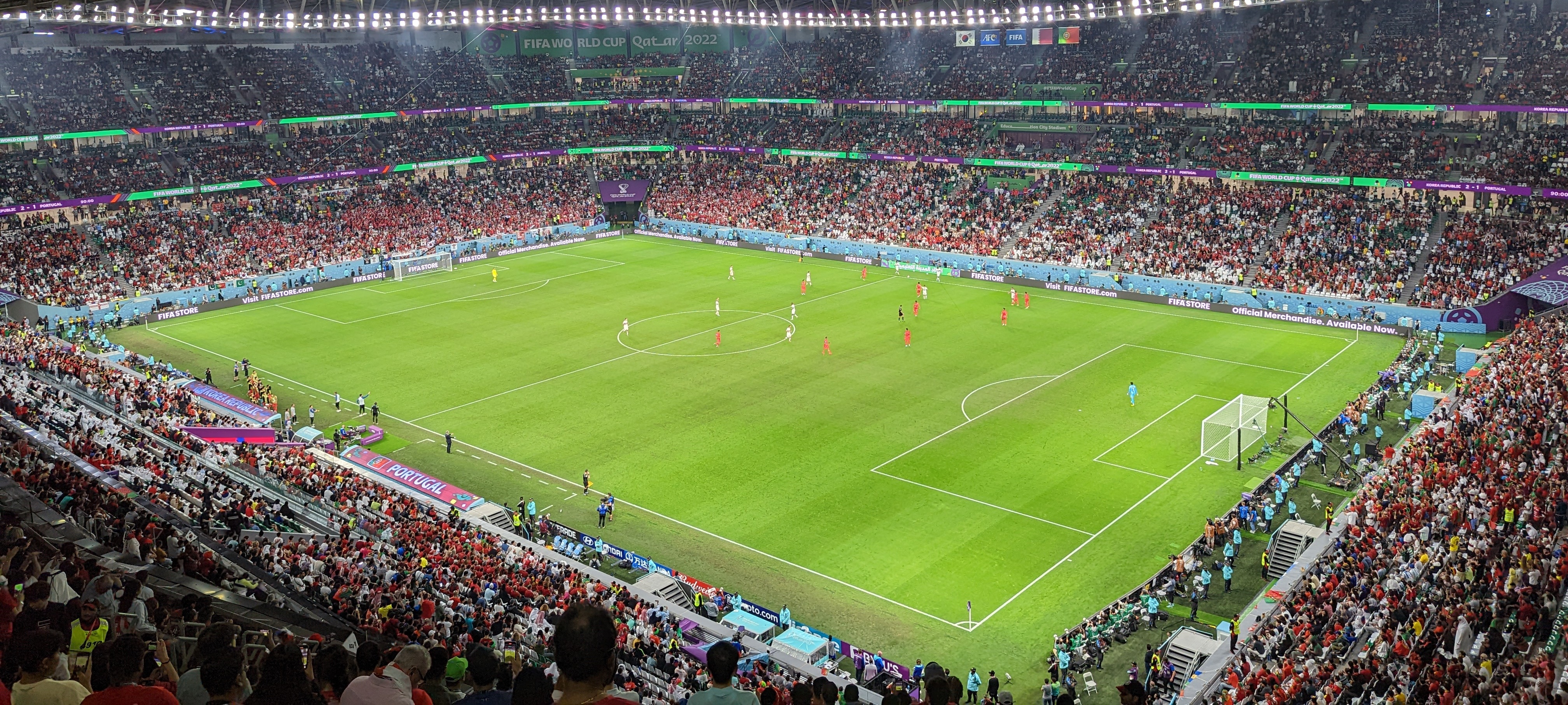
The Guardian described South Korea as the most disappointing Asian team following the elimination of all Asian nations from the World Cup [1].
The critique suggests that the failure of the South Korean national team is not merely a result of poor tactics, but a symptom of deeper structural problems. This assessment comes as the region faces a collective setback on the global stage.
The British newspaper said South Korea was the "most disappointing team" among Asian nations [1]. The publication said the team's group-stage performance was lackluster, specifically citing weak displays in matches against Mexico and South Africa [2].
While the report said Japan served as a model example during the competition, it described the overall tournament as a bleak period for Asian teams [1]. The analysis focused on the performance of key players, including Son Heung-min, Lee Kang-in, and Kim Min-jae [1].
The Guardian said the issues plaguing the squad extend beyond the need for a coaching change [2]. The report said systemic issues within Korean football must be addressed to prevent future failures of this magnitude [2].
All Asian teams were eliminated from the tournament [1]. This result has prompted a wider discussion regarding the competitiveness of Asian football in the current international landscape.
“"most disappointing team"”
The harsh critique from a major international outlet like The Guardian reflects a growing perception that South Korea's reliance on individual star power—such as Son Heung-min—is insufficient to overcome structural deficiencies in the national team's setup. By framing the failure as systemic rather than tactical, the analysis suggests that the Korean Football Association may need to overhaul its developmental and organizational strategies to remain competitive.


