The Guardian has released its sports quiz of the week focusing on recent events in football, tennis, and cycling [1].
These quizzes serve as a benchmark for sports enthusiasts to track their knowledge of current global athletics and high-profile competitions. By synthesizing diverse events into a single challenge, the publication highlights the overlapping timelines of major summer tournaments.
This week's assessment centers on the football clash between England and Norway [1]. The quiz requires participants to recall specific details from the match, reflecting the high level of public interest in the international fixture. Such events often drive viewership and engagement across European sports media.
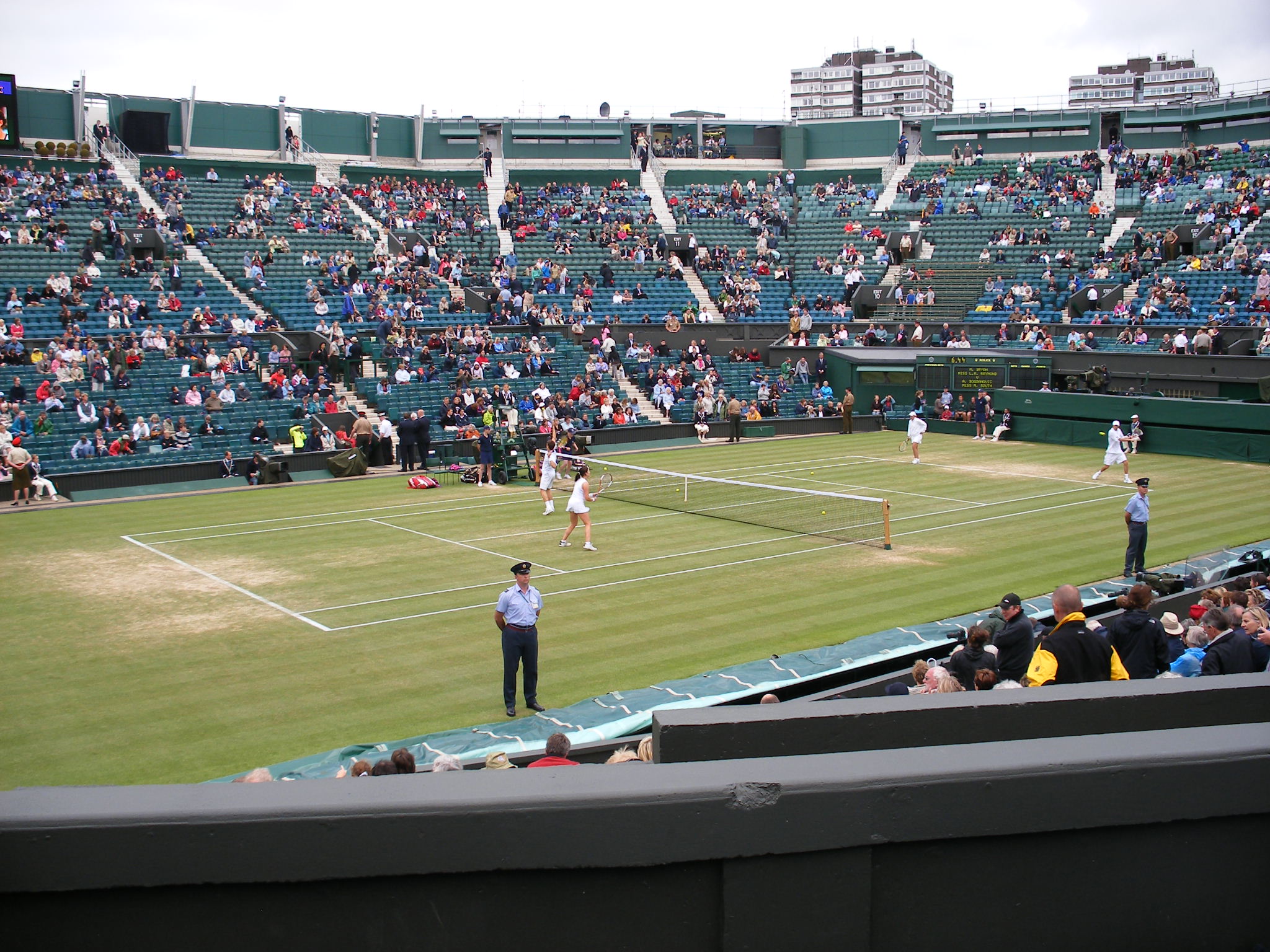
Tennis is also a primary focus of the current quiz due to the ongoing action at Wimbledon [1]. The tournament remains one of the most prestigious events in the sporting calendar, drawing global attention to the grass courts of London. The quiz tests readers on the latest developments and match results from the tournament.
Beyond team sports and tennis, the challenge includes questions regarding Alexia Putellas [1]. The football star's recent activities and performance are central to the quiz, underscoring the growing prominence of women's football in the global sports conversation.
Other disciplines featured in the quiz include rugby, cricket, and cycling [1]. This breadth ensures that the challenge covers a wide spectrum of athletic achievements from the past week. The inclusion of multiple sports prevents the quiz from becoming too narrow in its focus.
Readers can access the full quiz online to test their memory of these events [1]. The format encourages a deeper engagement with sports reporting by rewarding those who follow multiple leagues and tournaments simultaneously.
“The quiz tests readers on the latest developments and match results from the tournament.”
The aggregation of these specific events—England versus Norway, Wimbledon, and the career of Alexia Putellas—illustrates the peak of the summer sporting cycle. It demonstrates how media outlets use gamification to maintain audience engagement during periods when multiple global championships overlap, effectively turning news consumption into a competitive social activity.


