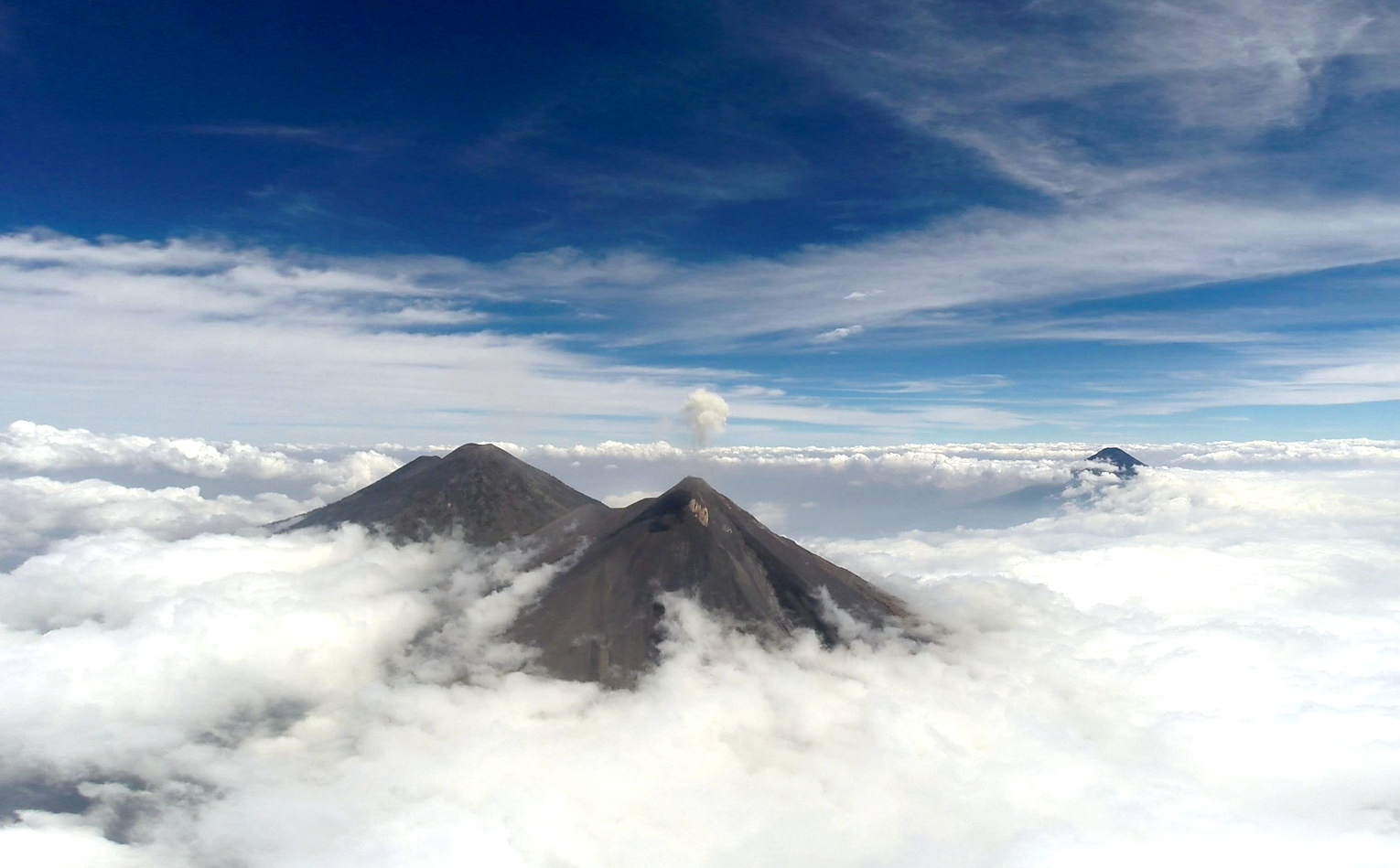
Guatemalan authorities evacuated villages on the southern side of the Fuego volcano after the mountain erupted Monday morning [1, 2].
The eruption poses an immediate threat to nearby communities through the discharge of ash and mud. This activity forced the government to mobilize disaster response teams to prevent casualties in high-risk zones [1, 4].
Officials issued the second-highest "danger" alert following the eruption [3]. The disaster managing agency, led by executive secretary Claudinne Ogaldes, coordinated the response to move residents away from the southern flank of the volcano [1, 2].
Reports on the scale of the displacement vary. Some accounts state that hundreds of villagers were evacuated [3], while other reports indicate that 1,700 people were sheltered after fleeing nearby villages [4].
Evacuation orders were issued for villages on the southern side of the mountain [1], with some reports specifying that the orders targeted two villages around the volcano [4]. The eruption continues to be monitored by authorities to determine if the danger level will escalate further or if residents can safely return to their homes.
The Fuego volcano is known for its frequent and often violent activity, a characteristic that necessitates constant vigilance from the Guatemalan government and the residents living in its shadow.
“Guatemalan authorities issued the second-highest 'danger' alert following the eruption.”
The rapid issuance of a high-level danger alert and the resulting displacement of up to 1,700 people highlight the volatility of the Fuego volcano. Because the eruption produced mud and ash, the risk extends beyond lava flows to include lahars, which can destroy infrastructure and bury villages far from the crater, necessitating large-scale evacuations to avoid mass casualties.


