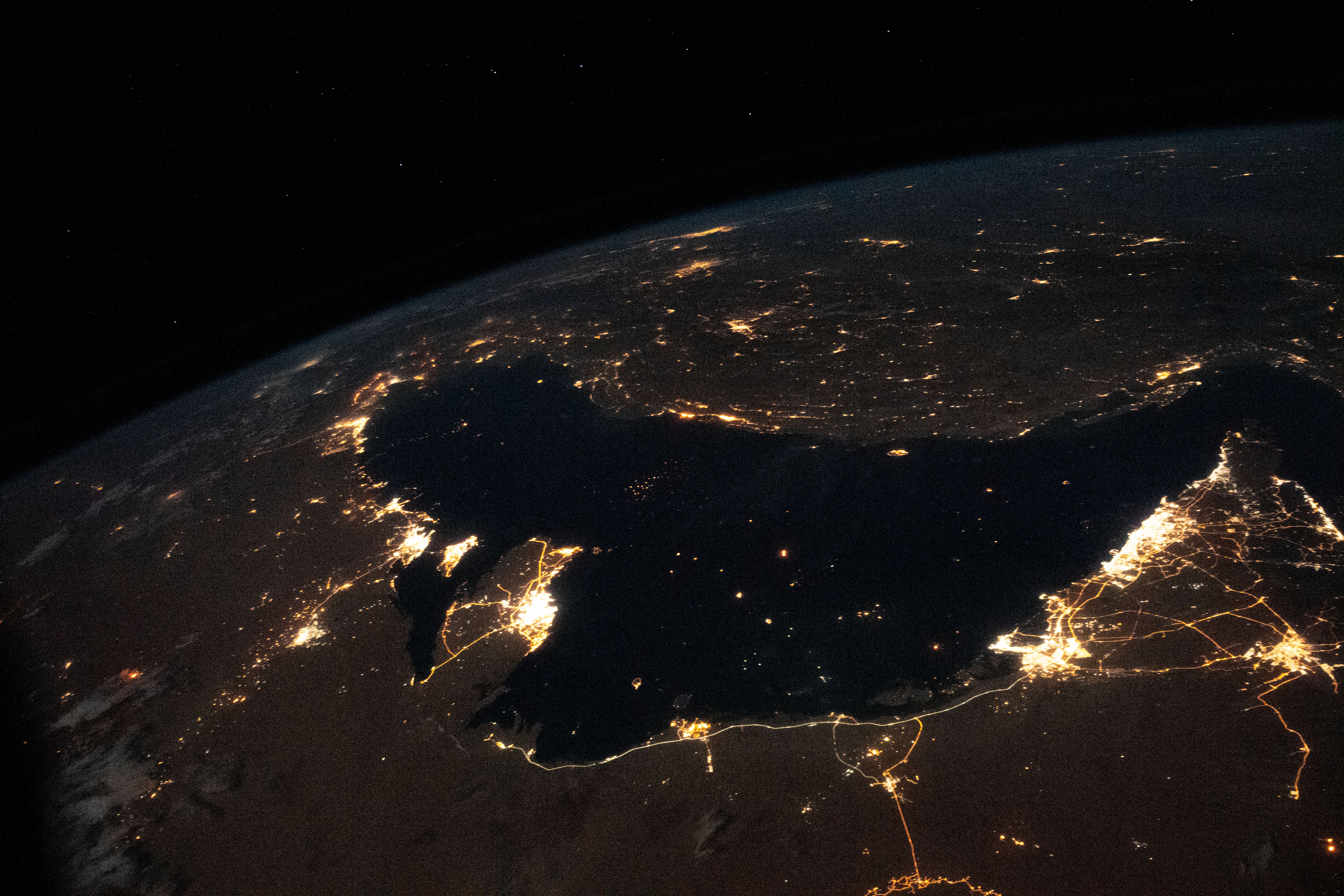
Gulf countries and Jordan condemned Iranian attacks targeting Bahrain, Kuwait, Jordan, and Emirati oil tankers in the Strait of Hormuz [1, 2, 3].
These escalations threaten the stability of the Strait of Hormuz, a critical global oil artery, and risk dismantling existing diplomatic memoranda of understanding between regional powers [2, 1].
GCC Secretary General Jasem Mohamed Al Budaiwi denounced the operations, specifically highlighting the targeting of non-military sites. "These strikes on civilian infrastructure are war crimes," Al Budaiwi said [2].
According to regional reports, the Iranian offensive included drone strikes on Bahrain and attacks on oil tankers belonging to the United Arab Emirates [1, 3]. The aggression also extended to Kuwait and Jordan [2].
Officials said that Iran launched the attacks in retaliation for intense U.S. strikes and a broader increase in regional tensions [2, 1]. The coordinated response from Gulf states indicates a unified front against the breach of sovereignty.
Qatar joined the condemnation through its Foreign Ministry. "Qatar condemns Iran's latest attacks on Gulf countries in the strongest terms," a spokesperson said [4].
The attacks occurred this past Saturday [1]. While several Gulf nations have issued formal statements, the coordinated nature of these strikes across multiple borders suggests a calculated effort by Tehran to project power in response to U.S. military activity in the region [2, 1].
“"These strikes on civilian infrastructure are war crimes."”
The expansion of Iranian attacks from targeted military assets to civilian infrastructure and commercial shipping in the Strait of Hormuz marks a significant escalation in regional volatility. By striking multiple countries—Bahrain, Kuwait, Jordan, and the UAE—simultaneously, Iran is signaling that U.S. military actions may trigger a wider regional conflict, potentially forcing Gulf Cooperation Council states to reconsider their security frameworks and diplomatic ties with Tehran.