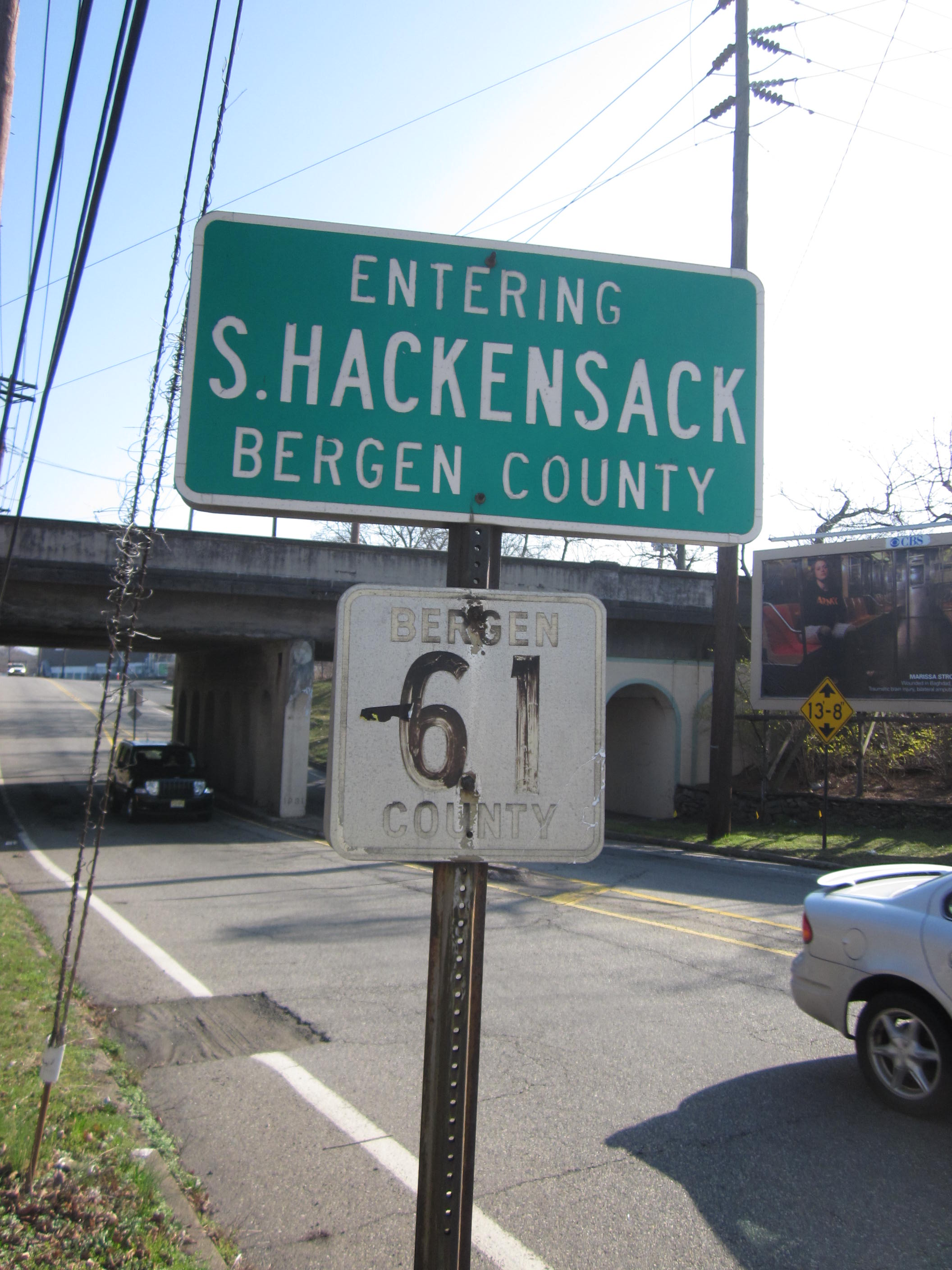
Intense rainfall caused flash floods in Hackensack, New Jersey, after the Goffle Brook overflowed and pushed water into local buildings [1, 2].
These events highlight the vulnerability of Bergen County infrastructure to sudden weather shifts. The flooding created hazardous conditions for residents and disrupted local transportation within the tri-state area of New Jersey, New York, and Connecticut [1, 3].
The weather episode began on a Saturday night and persisted through Monday in early July 2026 [2]. Local resident Mark Sokol said the Goffle Brook overflowed as water surged through the community [1]. Authorities issued flood warnings as the intense rain triggered rapid accumulation in urban areas [1].
While local reports focused on the damage in Hackensack, the broader weather pattern affected a vast region. More than 60 million people across the Northeast and Midwest U.S. were threatened by flash-flood conditions during this period [4].
In Hackensack, the flooding was severe enough that water was seen flowing directly out of buildings [2]. The surge was a direct result of the brook exceeding its capacity, a common risk during high-intensity rain events in the region [1, 2].
Emergency officials said residents should take precautions as the storms moved through the area [1]. The duration of the event, stretching from Saturday night to Monday, complicated recovery efforts and increased the risk of prolonged property damage [2].
“Water flowing out of buildings after Goffle Brook overflowed.”
The overflow of Goffle Brook demonstrates how localized urban waterways can quickly become liabilities during extreme weather. With tens of millions of people across the Northeast and Midwest facing similar flash-flood threats, these events suggest a growing need for updated stormwater management and more robust flood-mitigation infrastructure in densely populated tri-state corridors.