
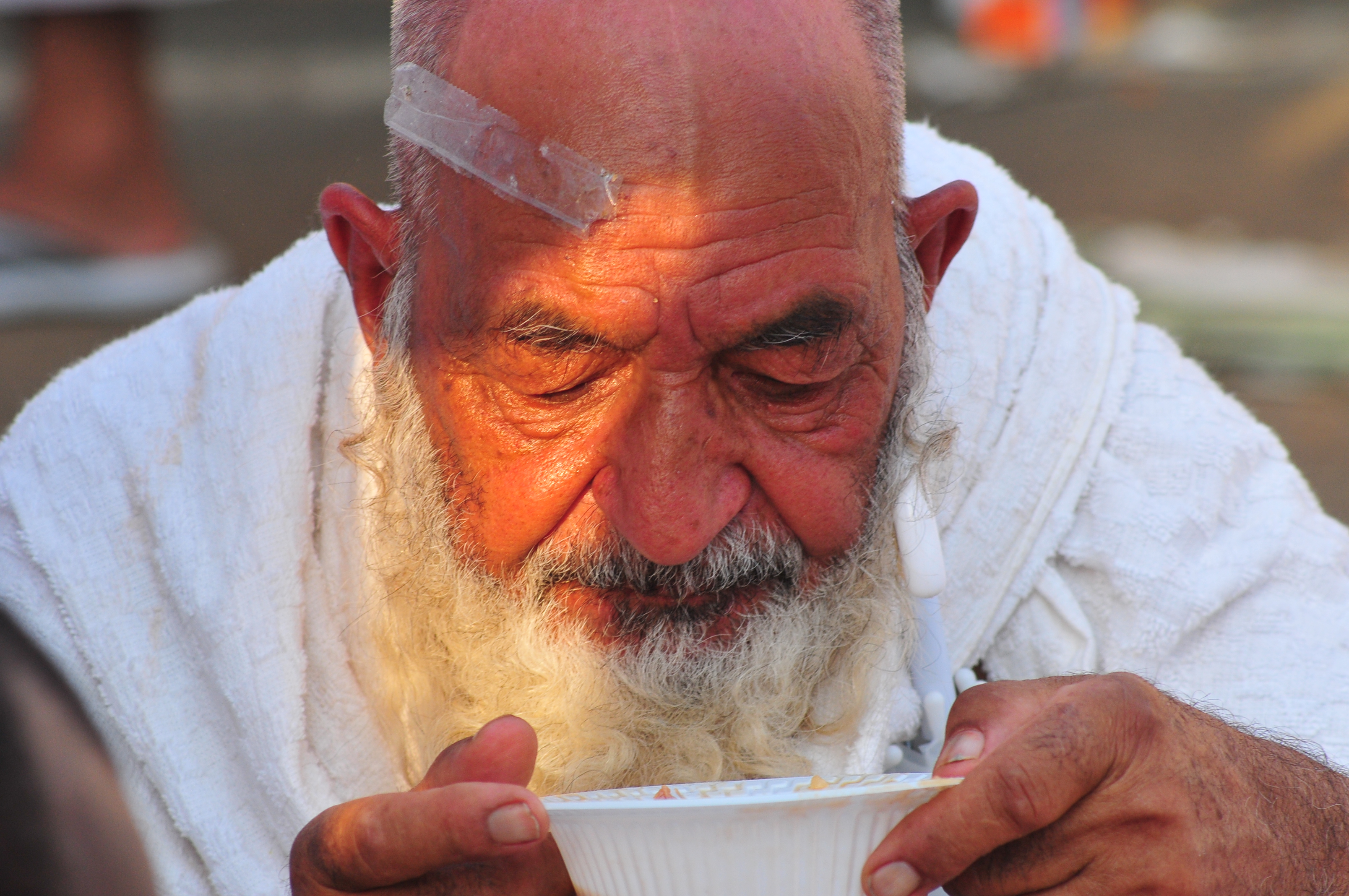
Millions of Muslim pilgrims gathered on Mount Arafat near Mecca, Saudi Arabia, today to observe the Day of Arafah [1, 2].
The gathering represents the most critical stage of the Hajj pilgrimage. The ritual of standing, known as Wuquf, is a core religious obligation that pilgrims must fulfill to complete their journey [1, 2].
Saudi officials said more than 1.5 million pilgrims have gathered for this year's Hajj at Mount Arafat [1]. The event takes place on the ninth day of Dhu al-Hijjah, marking a period of intense prayer and reflection for those participating in the ceremonies [1, 2].
The Day of Arafah is considered the pinnacle of the Hajj experience. Pilgrims spend the day in prayer and repentance, seeking forgiveness on the plains of Arafat before proceeding to Mina for the subsequent stages of the pilgrimage [1, 2].
Logistics for the event involve massive coordination by Saudi authorities to manage the flow of millions of people into the region [2]. This year's ceremonies include the Tarwiyah rituals, which lead the faithful from the outskirts of Mecca to the sacred site [1].
The gathering at Mount Arafat is one of the largest annual human congregations in the world. It serves as a symbol of unity and equality, as pilgrims from diverse ethnic and national backgrounds dress in simple white garments to stand together in faith [1, 2].
“More than 1.5 million pilgrims have gathered for this year's Hajj at Mount Arafat.”
The successful gathering of millions at Mount Arafat underscores the continued scale of the Hajj as a global religious event. Because the Day of Arafah is the theological center of the pilgrimage, the ability of Saudi Arabia to manage the logistical and safety requirements for over 1.5 million people simultaneously remains a critical test of the kingdom's infrastructure and public health management.


