
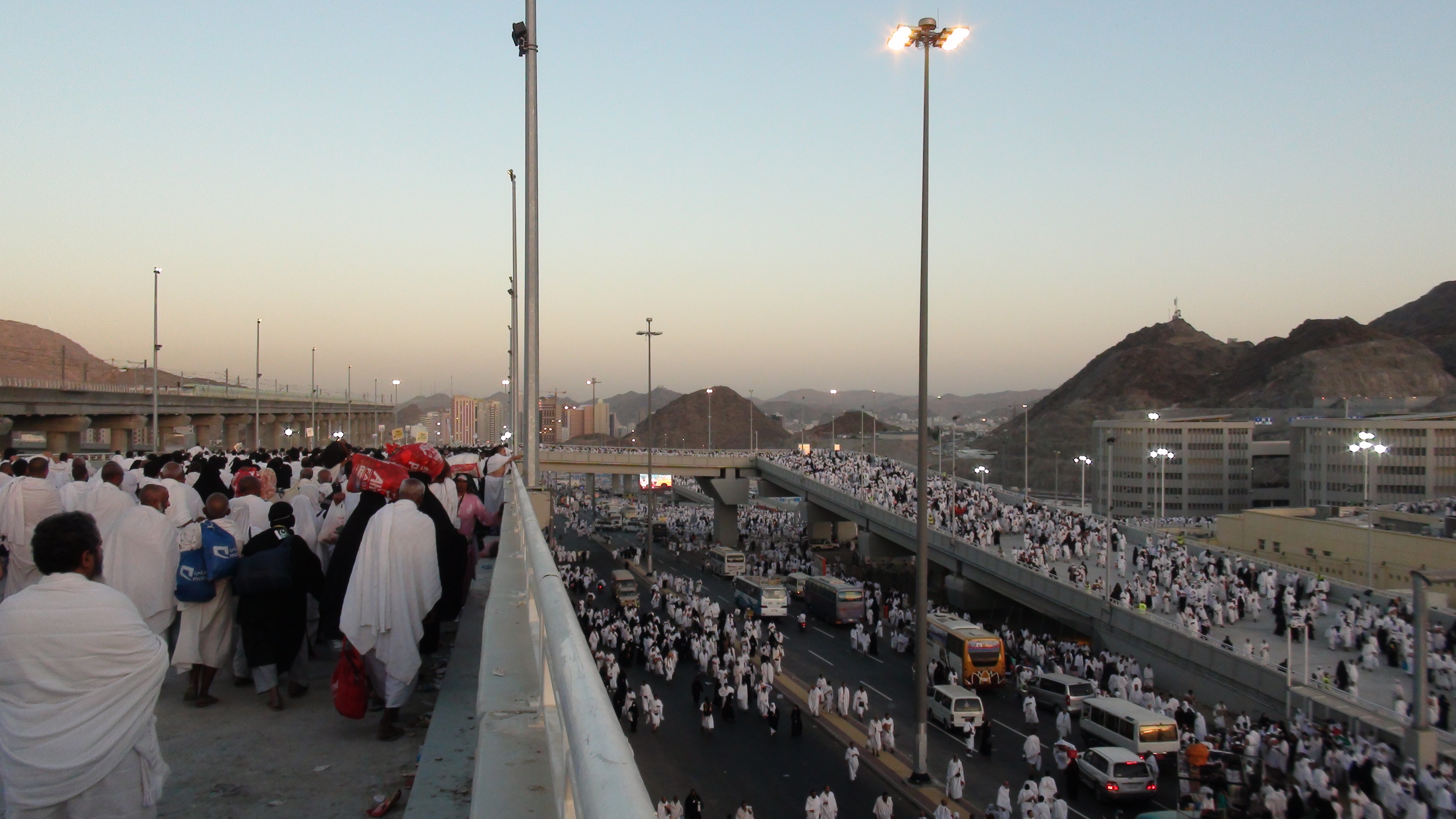
Muslim pilgrims participated in the symbolic stoning of the devil ritual in Mina, Saudi Arabia, on May 27–28 [1].
This rite, known as Ramy al-Jamarat, serves as a pivotal moment in the Hajj pilgrimage. It represents the spiritual rejection of temptation and the commitment to faith, marking one of the final stages of the journey for millions of believers.
The activity took place at the Jamarat Bridge in Mina, located near the city of Mecca [2, 3]. Pilgrims gathered to throw pebbles at three pillars, an act that commemorates the Prophet Abraham’s rejection of Satan [3, 4]. This ritual is a required component of the Hajj, which is one of the five pillars of Islam.
The events coincided with the Day of Arafah and the celebration of Eid al-Adha [2, 5]. These dates correspond to nine to 10 Dhu al-Hijjah in the Islamic lunar calendar [5].
Managing the flow of crowds at the Jamarat Bridge remains a primary focus for Saudi authorities during the pilgrimage. The bridge is designed to handle the massive influx of people who must complete the stoning process within a specific timeframe to fulfill their religious obligations [3].
The 2026 ritual concluded on May 28 [1], marking the end of the intensive rites associated with the pilgrimage's final days. The gathering brings together Muslims from across the globe, emphasizing unity, and shared devotion through the collective performance of these ancient traditions [2, 3].
“The ritual commemorates the Prophet Abraham’s rejection of Satan.”
The successful execution of the Ramy al-Jamarat ritual underscores the logistical capabilities of the Saudi government in managing one of the world's largest annual human gatherings. Because the ritual is a mandatory requirement for the Hajj to be considered complete, the Jamarat Bridge remains a critical point of both spiritual significance and public safety management.


