
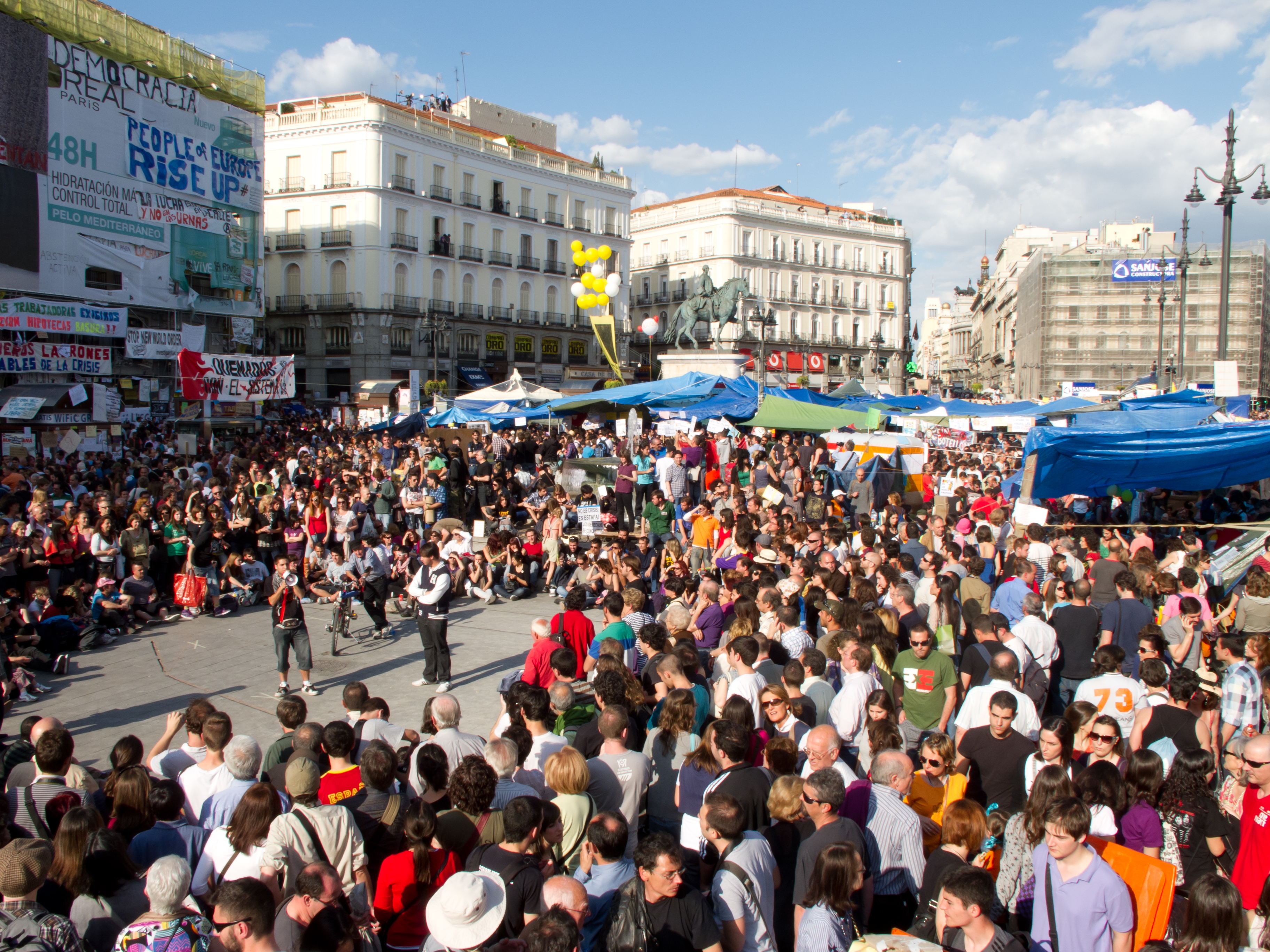
The Spanish pop group Hakuna performed in Madrid’s Puerta del Sol on Monday, Dec. 22 [1], sparking discussions about the rise of religious sentiment among youth.
This performance highlights a broader sociological shift in Spain, where a new wave of faith is emerging among young adults. The group's visibility in the seat of the regional presidency suggests a convergence of pop culture and traditional religious influence in the public square.
Hakuna is described as an ultracatólico pop group [1]. The group is currently being examined for its ties to the Opus Dei prelature, an organization known for its conservative approach to Catholicism [1, 2]. This connection has drawn the attention of media analysts seeking to understand how the group attracts its followers and the role that organized religious structures play in modern youth movements.
The group's presence in Puerta del Sol serves as a focal point for a wider analysis of whether God is becoming "fashionable" again among the younger generation [2]. This trend is being explored through reports and podcasts, including RTVE’s “La Semana,” which looks at the mechanisms Hakuna uses to blend contemporary music with strict religious adherence [2].
Observers said that the group's ability to mobilize young people in a traditionally secular urban environment like Madrid indicates a shift in how faith is practiced. By utilizing the aesthetics of a pop concert, Hakuna bridges the gap between modern entertainment and the traditionalist teachings associated with the Opus Dei prelature [1, 2].
“Hakuna is described as an ultracatólico pop group.”
The rise of Hakuna reflects a paradoxical trend where traditionalist, high-structure religious movements like Opus Dei find new life through modern pop culture. By rebranding conservative faith as a contemporary lifestyle choice, these groups are successfully penetrating youth demographics that were previously considered secular, potentially altering the cultural and political landscape of religious influence in Spain.


