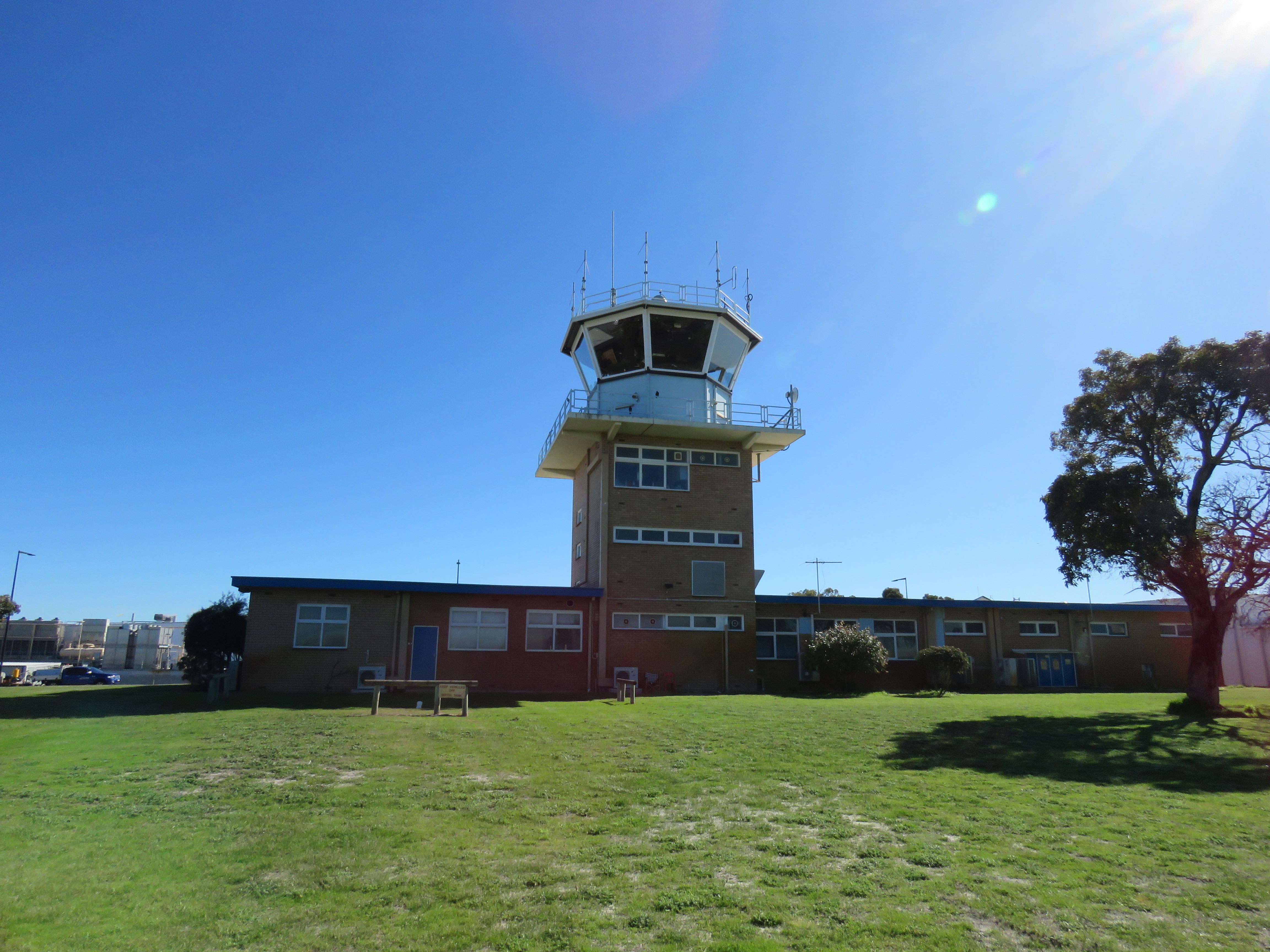
A glitch in the air traffic control system at Tokyo's Haneda Airport caused flight delays on Tuesday morning [1, 2].
This disruption disrupts one of the world's busiest aviation hubs, potentially impacting thousands of passengers and international travel schedules. The reliability of air traffic control systems is critical for both safety and the operational efficiency of Tokyo's primary gateway.
According to the transport Ministry, the glitch occurred in the air traffic control system [1, 2]. The incident happened on Tuesday morning, leading to a series of delays for flights departing and arriving at Haneda Airport [1, 2].
While the rest of the system remains operational, the specific technical failure identified by the transport Ministry indicates a system-wide issue that may require a longer period of recovery. The airport's infrastructure is essential for the main transit point for the Tokyo metropolitan area, and any technical failure in the air traffic control control system can lead to a ripple effect across the region's aviation network.
Authorities have not yet provided a detailed explanation for the cause of the glitch. The transport Ministry said the system experienced a technical failure that caused the delays [1, 2].
Passengers are advised to check their flight status. The situation remains under investigation by the transport Ministry to determine the cause of the glitch and to prevent future occurrences of similar technical failures in the air traffic control system.
“A glitch in the air traffic control system at Tokyo's Haneda Airport caused flight delays”
The technical failure at Haneda Airport highlights the vulnerability of modern aviation infrastructure to single-point failures in air traffic control systems. Because Haneda serves as a primary hub for both domestic and international flights, any glitch in its control system can cause significant logistical challenges for airlines and passengers across the Asia-Pacific region.


