
Professor Hannah Fry presented a challenge to identify a genuine Vivaldi composition versus an AI-generated piece during a lecture in London [1].
The exercise highlights the increasing difficulty of distinguishing human creativity from machine learning outputs. As AI tools evolve to mimic classical styles, the ability to detect synthetic media becomes a critical point of intersection between art and technology.
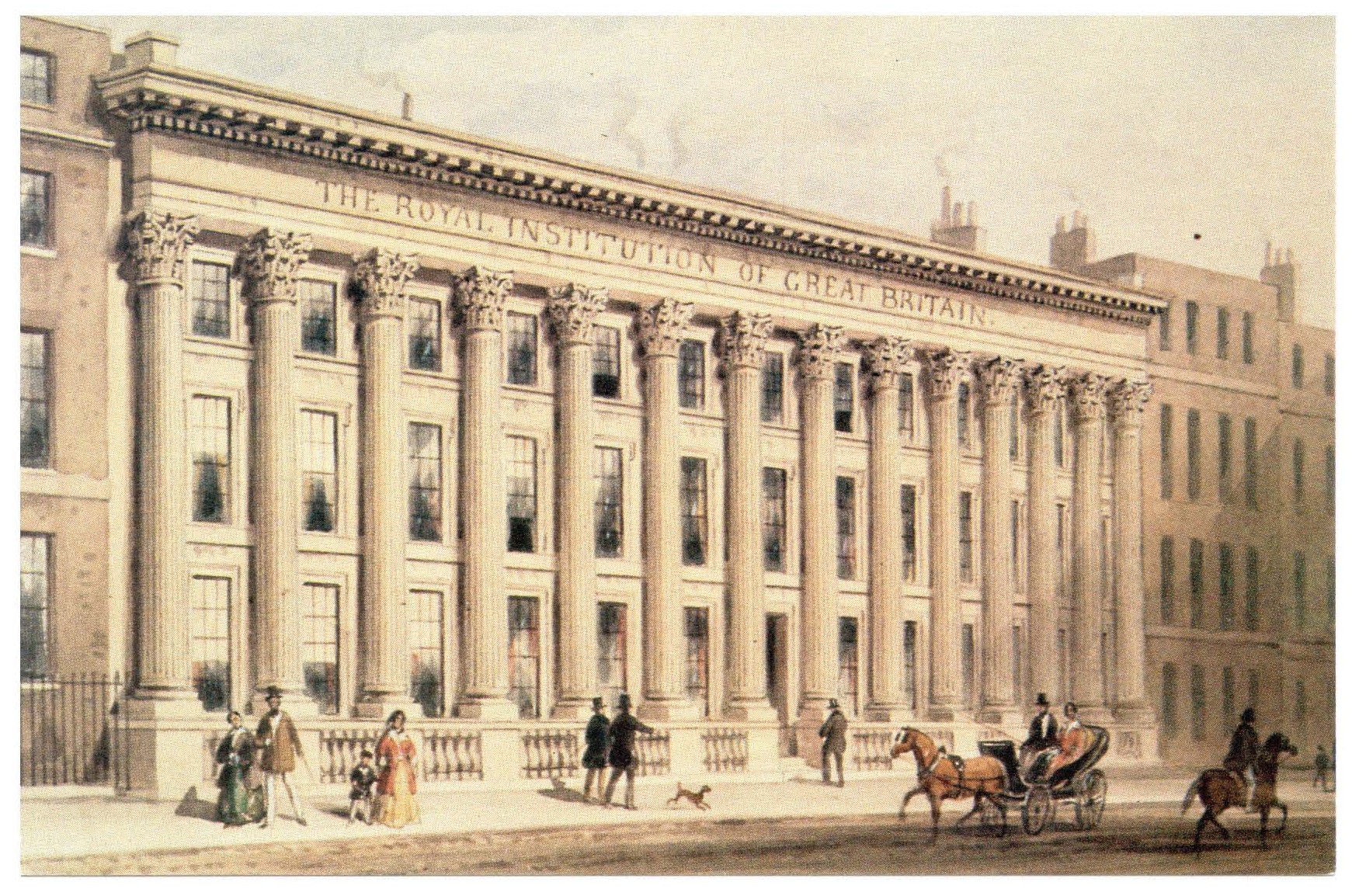
The demonstration took place at the Royal Institution [1]. Fry used a short video clip from her Christmas Lecture on AI-generated music to engage the audience in a comparative listening test. By pitting a masterwork by Antonio Vivaldi against a piece created by an algorithm, the presentation sought to illustrate the current capabilities of generative audio tools [1].
This comparison serves as a practical case study in the challenges of AI attribution. When an algorithm can replicate the mathematical structures and emotive qualities of a baroque composer, it raises questions about the nature of authenticity in music. The Royal Institution said the clip was used to prompt viewers to determine if they could tell which music was real and which was generated [1].
Such tests are becoming more common as AI models are trained on vast datasets of existing human art. The goal of the lecture was to showcase how AI can analyze patterns in a composer's work to create new, stylistically consistent pieces [1]. This process involves the machine identifying the specific intervals, rhythms, and harmonies that define a particular era or artist.
The lecture underscores the tension between technical proficiency and artistic intent. While an AI can simulate the sound of Vivaldi, the lack of human experience behind the composition remains a central point of debate in the science of artificial intelligence [1].
“Can you tell which music is real and which is generated?”
This demonstration reflects a broader shift in the science of generative AI, moving from text-based models to complex auditory synthesis. By using a high-bar example like Vivaldi, the exercise suggests that AI has reached a level of mimicry where human intuition is no longer a reliable tool for verification. This creates a pressing need for digital watermarking and authentication standards in the creative industries.


