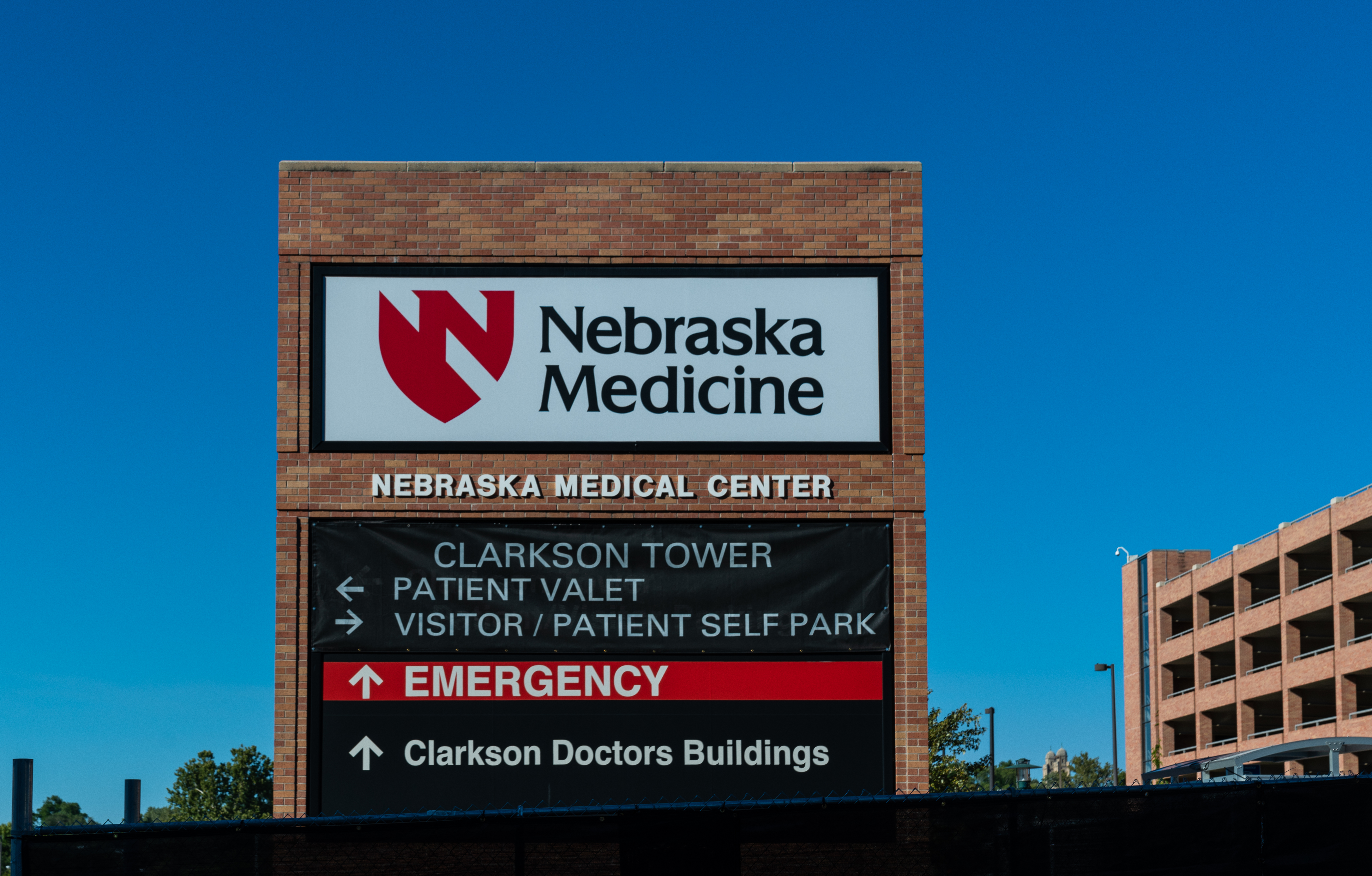
American passengers exposed to hantavirus on the MV Hondius cruise ship arrived in Nebraska on Monday, May 11, 2026, for medical monitoring [1].
The situation marks a critical effort by U.S. public health officials to contain a potentially deadly respiratory virus. Because hantavirus can cause severe pulmonary distress, the use of high-level biocontainment facilities is necessary to prevent further transmission and manage critical cases.
Staff at the University of Nebraska Medical Center (UNMC) in Omaha are currently overseeing the passengers [1]. Reports on the number of individuals under observation vary, with some sources stating 17 Americans are being monitored [4], while others report 15 passengers are in quarantine [1]. One patient has been admitted to a biocontainment unit [1].
These passengers disembarked the MV Hondius on May 10, 2026 [8], after the ship was anchored near Tenerife in the Canary Islands, Spain [2]. The cruise ship experienced a significant outbreak, with 10 confirmed or probable hantavirus cases reported on board [5].
Health officials said two people died among the ship's cases [6]. Additionally, one death is currently suspected [7]. The arrival of the passengers in Nebraska on Monday [9] allows specialists at UNMC to assess the health of those exposed and manage any emerging symptoms in a controlled environment.
Public health officials said the primary goal is to protect the general public by ensuring all exposed individuals are screened and treated. A total of 18 American passengers arrived in the region [3], though the exact number currently under medical supervision at the facility remains subject to slight reporting discrepancies between agencies [1, 4].
“One patient has been admitted to a biocontainment unit.”
The transfer of passengers to a biocontainment facility indicates that health officials are treating this as a high-risk event. Hantavirus is rare but often fatal if not treated early, and the presence of multiple cases and deaths on a single vessel suggests a concentrated point of exposure. By centralizing the monitoring in Nebraska, the U.S. is utilizing specialized infrastructure to mitigate the risk of a wider public health crisis.