
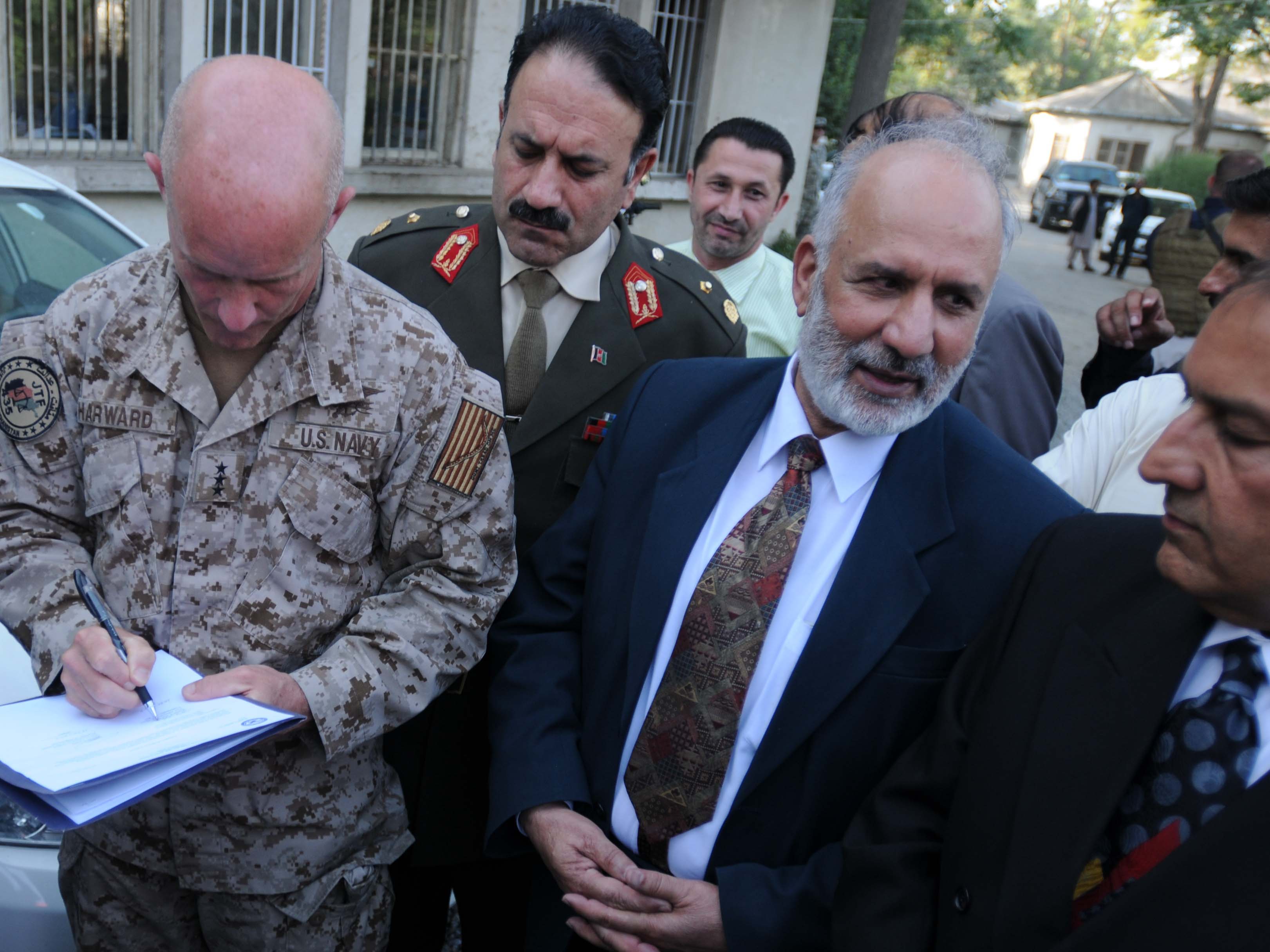
Retired Vice Admiral Robert Harward said a U.S.–Iran agreement will not be reached until a specific condition is met [1].
This assessment comes from a former deputy commander of U.S. Central Command, providing insight into the strategic hurdles facing Middle East diplomacy. The perspective highlights the rigidity of current geopolitical tensions and the perceived necessity of a breakthrough before formal negotiations can succeed.
Harward, who previously served in a high-level leadership role at CENTCOM, said the likelihood of a deal remains low under current circumstances [1]. He said the path to a resolution requires a prerequisite to be satisfied first, a condition that remains a central point of his analysis.
While the specific nature of the required condition was not detailed in the available reporting, Harward's stance reflects a broader skepticism regarding the immediate feasibility of a diplomatic breakthrough [1]. His analysis focuses on the structural barriers that prevent the two nations from finding common ground.
The retired admiral's comments underscore the complexity of managing relations with Iran, where security concerns and diplomatic goals often clash. By identifying a necessary precursor to any deal, Harward said simple dialogue is insufficient without a fundamental shift in the current status quo [1].
“A U.S.–Iran agreement will not be reached until a specific condition is met.”
The assessment by a former CENTCOM leader suggests that military and strategic prerequisites often outweigh diplomatic efforts in U.S.-Iran relations. By framing a potential deal as conditional rather than inevitable, Harward indicates that the U.S. security establishment may view certain behavioral or political changes from Iran as non-negotiable requirements before any formal agreement can be signed.


