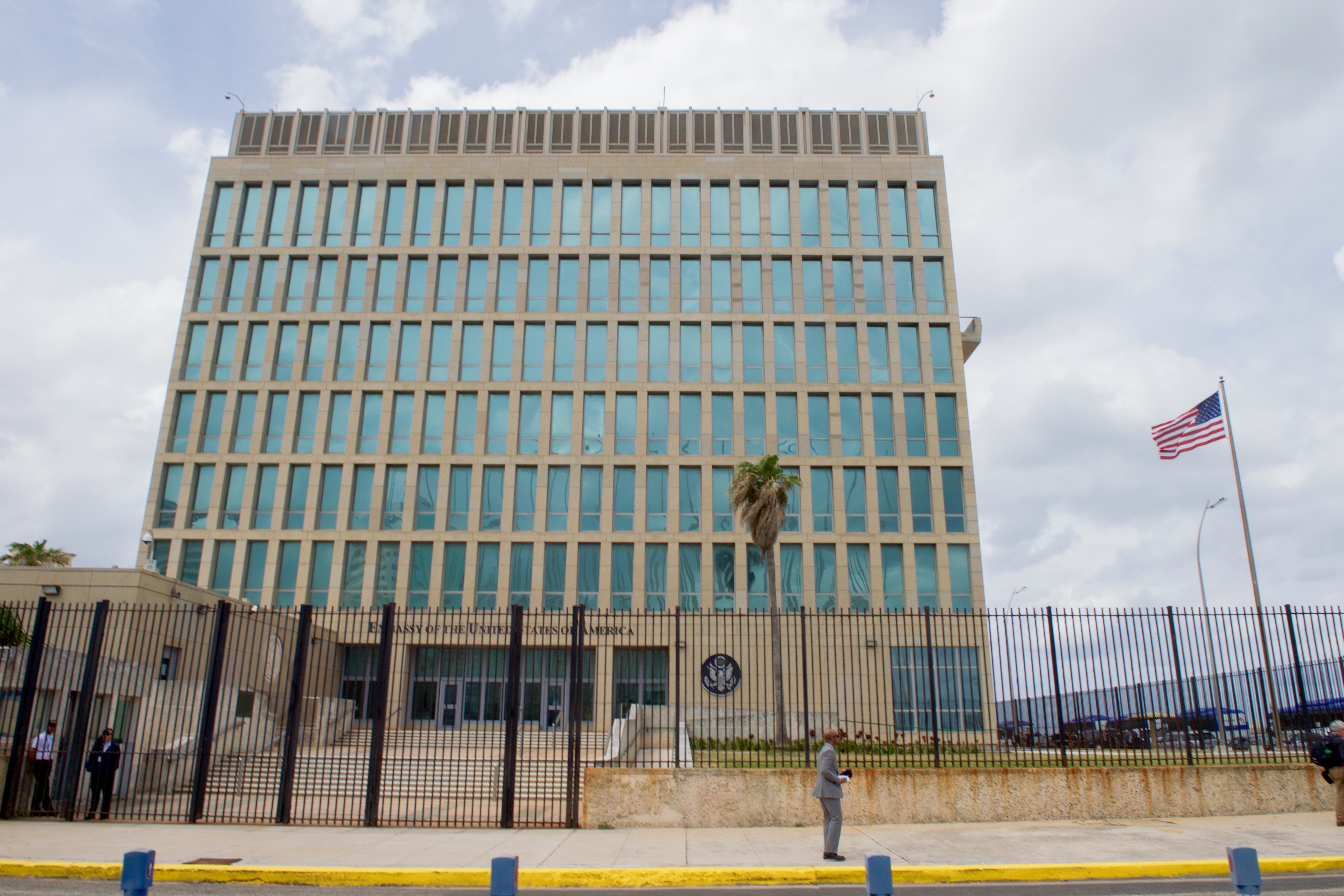
Thousands of pro-government protesters gathered outside the U.S. embassy in Havana on Friday, May 22, 2026, to oppose the indictment of Raúl Castro [1].
The rally signals a sharp escalation in diplomatic tensions between Cuba and the United States. The legal action targets a former head of state, potentially freezing any remaining cooperation between the two nations.
Demonstrators, many described as supporters of the former leader, organized the event as an act of patriotic reaffirmation [3]. The crowd gathered in front of the U.S. embassy to voice outrage over the decision by U.S. authorities to seek legal accountability for events that occurred three decades ago [2].
The indictment centers on the 1996 downing of two civilian airplanes [1]. U.S. prosecutors said Raúl Castro bore responsibility for the incident, which resulted in the deaths of 68 people [1].
While the Cuban government has not issued a formal diplomatic response to the specific charges, the scale of the protest reflects the internal political climate in Havana. The gathering focused on the perceived aggression of the U.S. judicial system in pursuing a former Cuban official [4].
Observers said the protesters viewed the indictment as an infringement on Cuban sovereignty. The event remained centered on the embassy perimeter, where the crowd remained for several hours [5].
“Thousands of pro-government protesters gathered outside the U.S. embassy in Havana”
The indictment of a former head of state for a 1996 event reignites a long-standing legal and political conflict over the deaths of 68 civilians. By targeting Raúl Castro, the U.S. is utilizing its judicial system to address historical grievances, which likely ensures that diplomatic normalization remains stalled as the Cuban government views such moves as an attack on its sovereign leadership.


'%2F%3E%0A%20%20%20%20%3Crect%20width%3D'1600'%20height%3D'900'%20fill%3D'url(%23v)'%2F%3E%0A%20%20%20%20%3Cg%20opacity%3D'0.08'%20fill%3D'%23ffffff'%3E%0A%20%20%20%20%20%20%3Ccircle%20cx%3D'1420'%20cy%3D'180'%20r%3D'220'%2F%3E%0A%20%20%20%20%20%20%3Ccircle%20cx%3D'1500'%20cy%3D'760'%20r%3D'120'%2F%3E%0A%20%20%20%20%3C%2Fg%3E%0A%20%20%20%20%3Cline%20x1%3D'80'%20y1%3D'172'%20x2%3D'220'%20y2%3D'172'%20stroke%3D'%23ffffff'%20stroke-width%3D'3'%20stroke-opacity%3D'0.6'%2F%3E%0A%20%20%20%20%3Ctext%20x%3D'80'%20y%3D'140'%20font-family%3D'Inter%2C%20-apple-system%2C%20Helvetica%2C%20sans-serif'%20font-weight%3D'700'%20font-size%3D'28'%20fill%3D'%23ffffff'%20letter-spacing%3D'6'%3EHANNA%20%C2%B7%20NEWS%3C%2Ftext%3E%0A%20%20%20%20%3Ctext%20x%3D'80'%20y%3D'230'%20font-family%3D'Inter%2C%20-apple-system%2C%20Helvetica%2C%20sans-serif'%20font-weight%3D'600'%20font-size%3D'40'%20fill%3D'%23ffffffb3'%20letter-spacing%3D'4'%3EWORLD%3C%2Ftext%3E%0A%20%20%20%20%3Ctext%20x%3D'80'%20y%3D'622'%20font-family%3D'Playfair%20Display%2C%20Georgia%2C%20serif'%20font-weight%3D'800'%20font-size%3D'86'%20fill%3D'%23ffffff'%20letter-spacing%3D'-1'%3EBonnie%20Tyler%2C%20%26apos%3BTotal%3C%2Ftext%3E%3Ctext%20x%3D'80'%20y%3D'721'%20font-family%3D'Playfair%20Display%2C%20Georgia%2C%20serif'%20font-weight%3D'800'%20font-size%3D'86'%20fill%3D'%23ffffff'%20letter-spacing%3D'-1'%3EEclipse%20of%20the%20Heart%26apos%3B%3C%2Ftext%3E%3Ctext%20x%3D'80'%20y%3D'820'%20font-family%3D'Playfair%20Display%2C%20Georgia%2C%20serif'%20font-weight%3D'800'%20font-size%3D'86'%20fill%3D'%23ffffff'%20letter-spacing%3D'-1'%3Esinger%2C%20dies%20at%2075%3C%2Ftext%3E%0A%20%20%20%20%3Ctext%20x%3D'80'%20y%3D'870'%20font-family%3D'Inter%2C%20-apple-system%2C%20Helvetica%2C%20sans-serif'%20font-weight%3D'500'%20font-size%3D'22'%20fill%3D'%23ffffff66'%20letter-spacing%3D'2'%3Enews.hanna-ai.com%3C%2Ftext%3E%0A%20%20%3C%2Fsvg%3E)