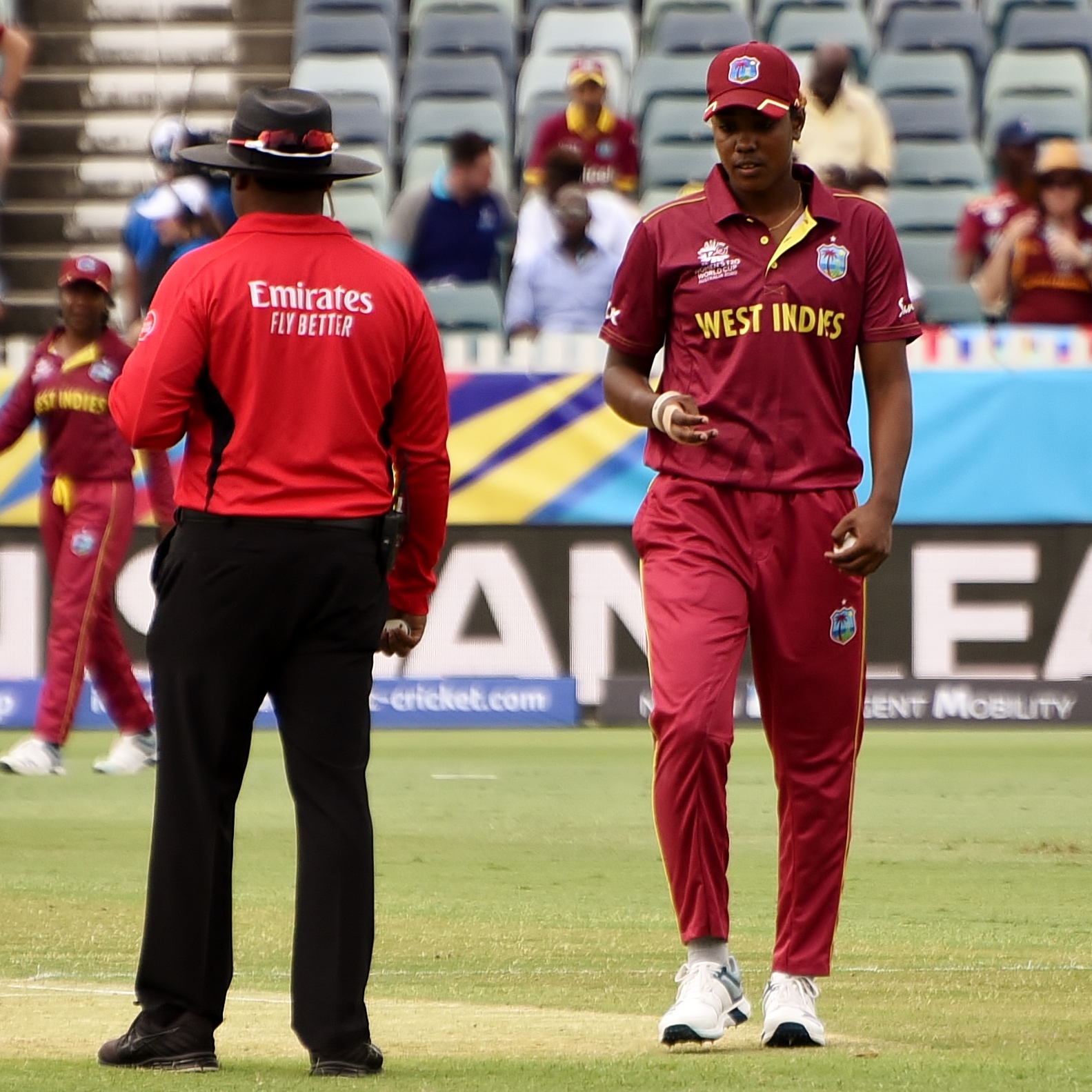
Hayley Matthews hit a boundary to start the ICC Women's T20 World Cup 2026 [1] semi-final proceedings.
An early boundary in a knockout match establishes immediate momentum for the batting side. Such a start puts pressure on the fielding team and signals an aggressive intent to secure a high total in a high-stakes environment.
Matthews began the match by finding the rope on one of the first deliveries of the game [1]. This aggressive opening is characteristic of the high-pressure dynamics found in the semi-final stage of the world championship.
The ICC Women's T20 World Cup 2026 [1] represents the pinnacle of the shortest format of the game. In these matches, the first few overs often dictate the psychological flow of the contest, especially when a top-order batter finds the boundary early.
While the match progressed beyond the opening delivery, the initial strike by Matthews served as a catalyst for the innings. The ability to score immediately allows a team to dictate the tempo and forces the opposing captain to adjust field placements earlier than planned.
As the tournament reaches its final stages, every run in the powerplay becomes critical. Matthews' boundary provided an early lead in the scoring rate, contributing to the overall strategy of the batting lineup during the 2026 [1] campaign.
“Hayley Matthews hit a boundary to start the ICC Women's T20 World Cup 2026 semi-final proceedings.”
An aggressive start in a semi-final reduces the pressure on the opening partnership and forces the bowling side into a defensive posture. By scoring immediately, Matthews shifted the early tactical advantage toward her team, a common trend in T20 cricket where early momentum often correlates with a stronger final score.


