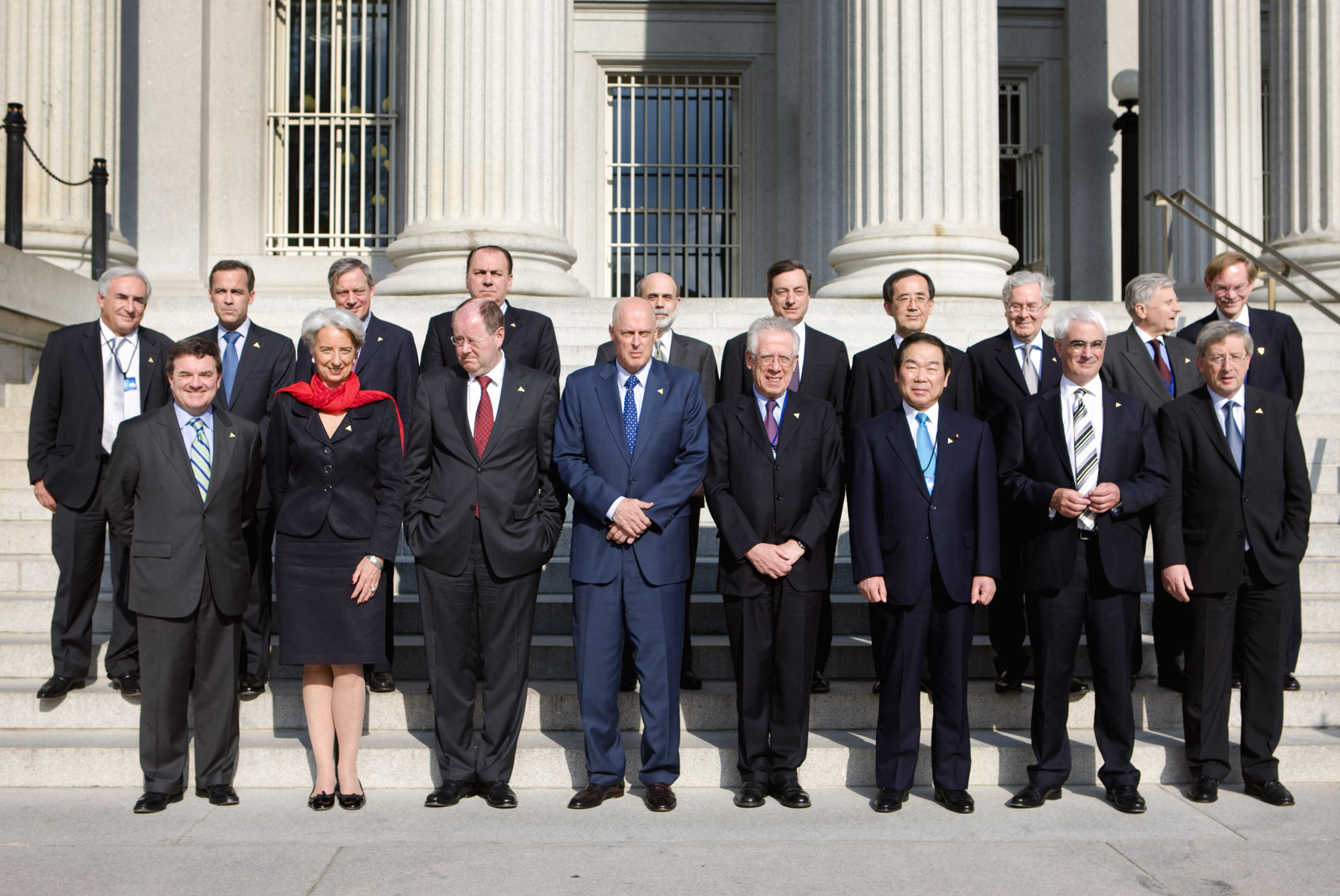
UK Chancellor of the Exchequer John Healey pledged disciplined control of public finances to create a fiscal buffer for the economy on Thursday [1].
This strategy aims to shield the United Kingdom from sudden economic shocks and address the increasing costs facing businesses. By establishing this financial cushion, the government intends to stabilize the broader economic environment and provide a predictable framework for private sector investment.
Healey said to a group of finance executives at the London headquarters of Bloomberg [1] that a disciplined approach to spending is necessary to ensure the country can withstand future volatility without compromising essential services or triggering sudden austerity measures.
The announcement comes just days after Healey was appointed to the role by Prime Minister Andy Burnham [2]. This rapid move to establish fiscal guardrails suggests a priority on market stability as the new administration begins its term.
Healey said the focus remains on curbing rising business costs to encourage growth. The proposed buffer is designed to act as a shock absorber, preventing external economic pressures from translating into immediate domestic instability.
By targeting the pressures on businesses, the government hopes to stimulate investment and protect jobs. The chancellor's address to the financial sector indicates an effort to signal reliability to global markets and domestic investors alike [1].
“John Healey pledged disciplined control of public finances to create a fiscal buffer.”
This move signals a shift toward fiscal conservatism under the new administration. By prioritizing a 'buffer,' the UK government is attempting to regain market confidence and avoid the volatility that often follows leadership transitions, while specifically addressing the cost-of-doing-business crisis that has hampered UK growth.


'%2F%3E%0A%20%20%20%20%3Crect%20width%3D'1600'%20height%3D'900'%20fill%3D'url(%23v)'%2F%3E%0A%20%20%20%20%3Cg%20opacity%3D'0.08'%20fill%3D'%23ffffff'%3E%0A%20%20%20%20%20%20%3Ccircle%20cx%3D'1420'%20cy%3D'180'%20r%3D'220'%2F%3E%0A%20%20%20%20%20%20%3Ccircle%20cx%3D'1500'%20cy%3D'760'%20r%3D'120'%2F%3E%0A%20%20%20%20%3C%2Fg%3E%0A%20%20%20%20%3Cline%20x1%3D'80'%20y1%3D'172'%20x2%3D'220'%20y2%3D'172'%20stroke%3D'%23ffffff'%20stroke-width%3D'3'%20stroke-opacity%3D'0.6'%2F%3E%0A%20%20%20%20%3Ctext%20x%3D'80'%20y%3D'140'%20font-family%3D'Inter%2C%20-apple-system%2C%20Helvetica%2C%20sans-serif'%20font-weight%3D'700'%20font-size%3D'28'%20fill%3D'%23ffffff'%20letter-spacing%3D'6'%3EHANNA%20%C2%B7%20NEWS%3C%2Ftext%3E%0A%20%20%20%20%3Ctext%20x%3D'80'%20y%3D'230'%20font-family%3D'Inter%2C%20-apple-system%2C%20Helvetica%2C%20sans-serif'%20font-weight%3D'600'%20font-size%3D'40'%20fill%3D'%23ffffffb3'%20letter-spacing%3D'4'%3EBUSINESS%3C%2Ftext%3E%0A%20%20%20%20%3Ctext%20x%3D'80'%20y%3D'622'%20font-family%3D'Playfair%20Display%2C%20Georgia%2C%20serif'%20font-weight%3D'800'%20font-size%3D'86'%20fill%3D'%23ffffff'%20letter-spacing%3D'-1'%3EIndian%20Stock%20Indices%20Fall%20as%3C%2Ftext%3E%3Ctext%20x%3D'80'%20y%3D'721'%20font-family%3D'Playfair%20Display%2C%20Georgia%2C%20serif'%20font-weight%3D'800'%20font-size%3D'86'%20fill%3D'%23ffffff'%20letter-spacing%3D'-1'%3EBroad%20Sector%20Selling%20Hits%3C%2Ftext%3E%3Ctext%20x%3D'80'%20y%3D'820'%20font-family%3D'Playfair%20Display%2C%20Georgia%2C%20serif'%20font-weight%3D'800'%20font-size%3D'86'%20fill%3D'%23ffffff'%20letter-spacing%3D'-1'%3ENifty%20and%20Sensex%3C%2Ftext%3E%0A%20%20%20%20%3Ctext%20x%3D'80'%20y%3D'870'%20font-family%3D'Inter%2C%20-apple-system%2C%20Helvetica%2C%20sans-serif'%20font-weight%3D'500'%20font-size%3D'22'%20fill%3D'%23ffffff66'%20letter-spacing%3D'2'%3Enews.hanna-ai.com%3C%2Ftext%3E%0A%20%20%3C%2Fsvg%3E)