
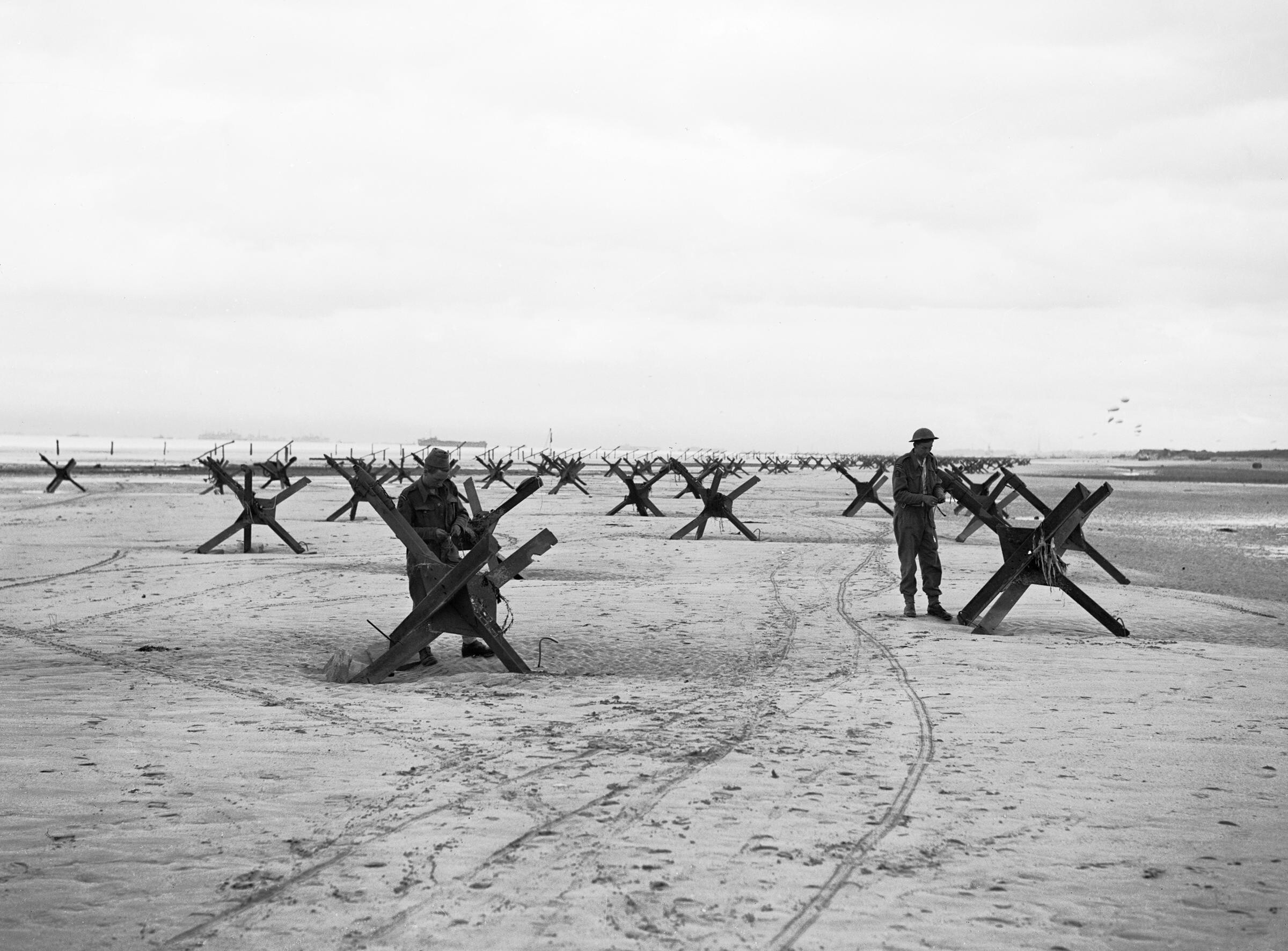
U.S. Defense Secretary Pete Hegseth warned European nations that mass migration constitutes an "invasion" during a D-Day anniversary speech in Normandy [1].
The remarks signal a shift in how the U.S. frames European security, linking the historical fight for freedom to contemporary border control, and national sovereignty.
Hegseth delivered the address on June 6, 2026, which marked 82 years [1] since the original D-Day landings. During the event, he said current migration patterns are an "invasion of dangerous ideologies" [3]. He said European governments should implement stronger border security to protect their nations from these perceived threats [2].
By utilizing the anniversary of the Allied invasion of Normandy, Hegseth connected the preservation of Western liberty to the enforcement of national boundaries. He said that freedom and national sovereignty are inextricably linked to the ability of a state to control its borders [2].
The secretary's comments focused on treating immigration as a security threat rather than a humanitarian or administrative issue [2]. This rhetoric suggests a push for European allies to adopt more restrictive migration policies similar to those advocated by the U.S. administration [3].
Local reactions in France were mixed, with some residents protesting the visit [3]. Despite the pushback, Hegseth said the security of the continent depends on the vigilance of its borders [4].
“invasion of dangerous ideologies”
This speech represents a strategic pivot by the U.S. Department of Defense to align military and security rhetoric with hardline immigration policy. By framing migration as an 'invasion' during a commemoration of World War II, the U.S. is attempting to redefine European security threats to include demographic and ideological shifts, potentially creating friction with European allies who maintain different approaches to asylum and migration.


