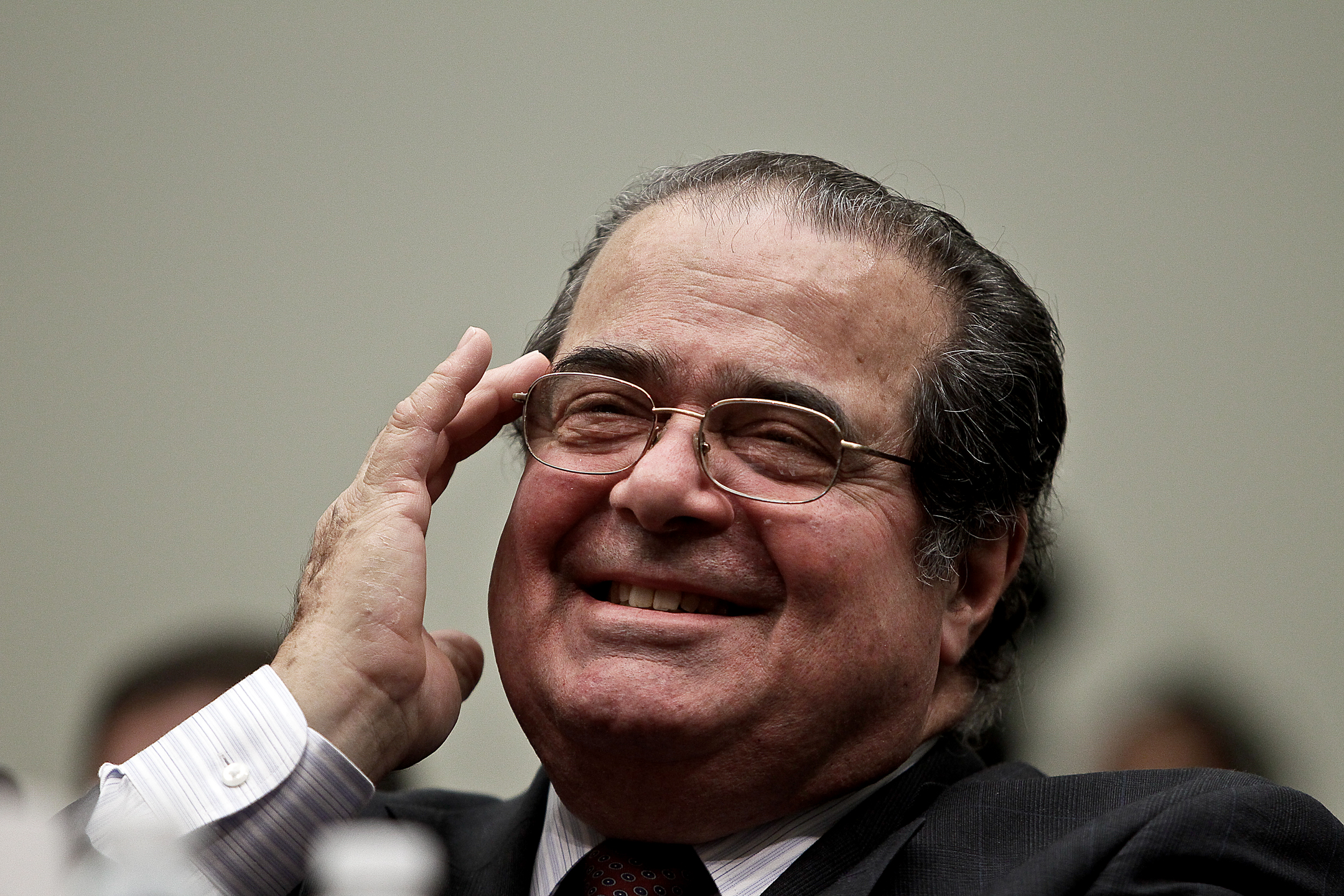
U.S. Defense Secretary Pete Hegseth faced questioning from Democratic members of the House Armed Services Committee on Thursday, April 29, 2026 [3].
The hearing highlights growing tensions between the Pentagon and Congress regarding the administration's military strategy and transparency during the ongoing conflict with Iran.
During the second day of testimony [2], Democratic lawmakers accused Hegseth of misleading the public about the progress of the Iran war [1]. The committee members questioned whether the Defense Secretary possesses a coherent strategy to resolve the conflict or if the current approach lacks a defined objective [1].
Lawmakers also scrutinized the Pentagon's budget for 2027 [1]. The discussions focused on whether the proposed spending aligns with the actual needs of the military given the volatile nature of the region [1].
Hegseth defended his perspective by referencing the history of U.S. military engagements. "My generation understands how long we were in Iraq, how long we were in Afghanistan, how long we were in Vietnam," Hegseth said [4].
The hearing, held at the U.S. Capitol in Washington, D.C., was described as hostile by some observers [1]. While the Secretary attempted to frame his approach through the lens of past conflicts, Democrats continued to press for specific metrics of success, and a clear exit strategy for the current war [1].
This confrontation marks a significant escalation in the oversight of the 2027 budget cycle and the broader geopolitical strategy toward Iran [1].
“"My generation understands how long we were in Iraq, how long we were in Afghanistan, how long we were in Vietnam."”
The friction between Secretary Hegseth and the House Armed Services Committee suggests a deepening divide over the definition of 'victory' in the Iran war. By challenging the 2027 budget, Democrats are using financial oversight to force a strategic pivot, signaling that the administration's current communication regarding war progress is insufficient for congressional approval.