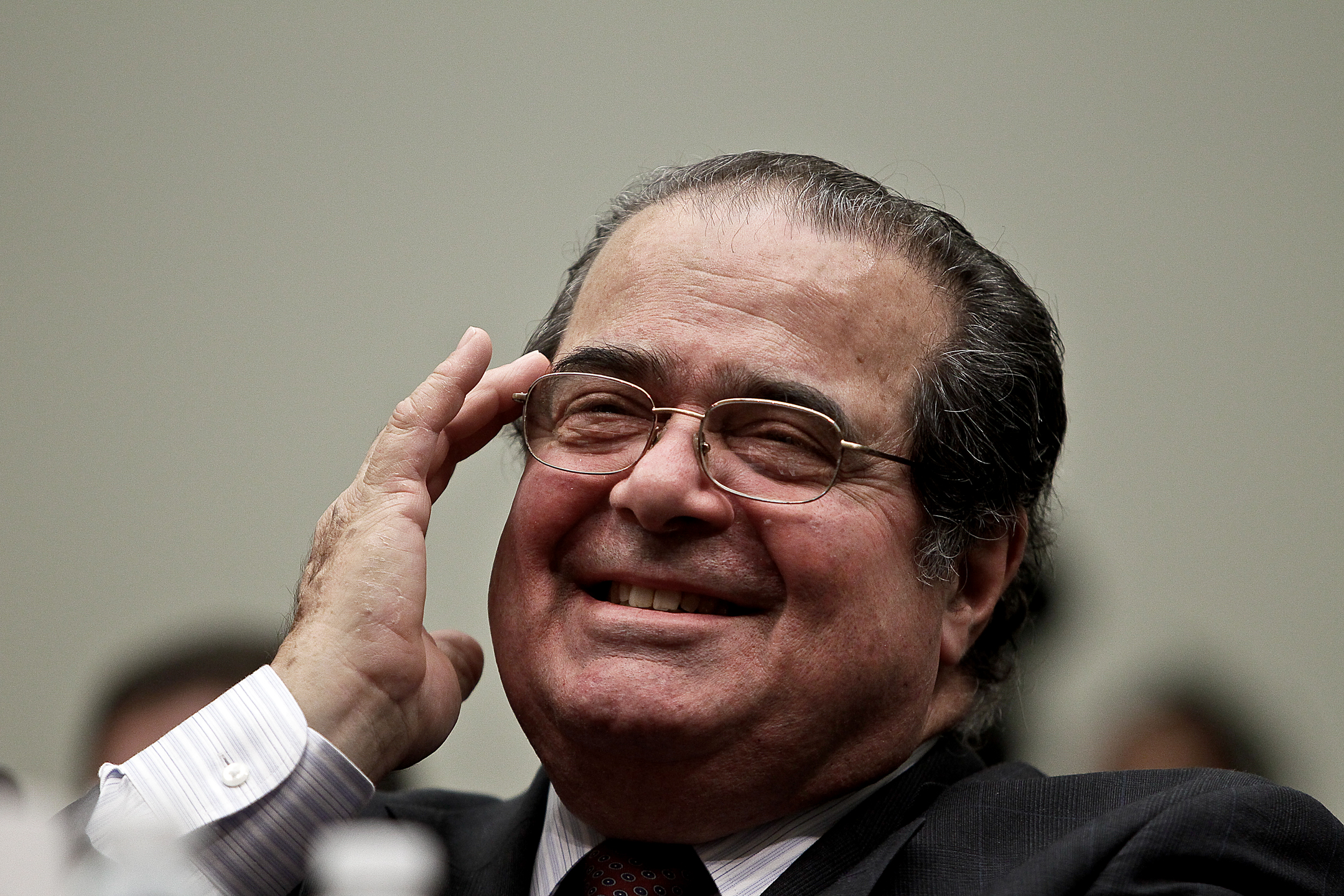
Democratic lawmakers questioned U.S. Defense Secretary Pete Hegseth regarding the strategy and cost of the war with Iran during a defense-budget hearing on Capitol Hill [1, 2, 3].
The hearing highlights growing friction between the administration and Congress over the financial and political sustainability of the conflict. As the U.S. continues its military engagement, lawmakers are seeking transparency regarding the long-term objectives and the mounting fiscal burden on the federal budget [1, 4].
During the proceedings in the Senate hearing room, Hegseth defended the spending associated with the conflict. He said the cost for the war with Iran was $25 billion [4]. This figure became a focal point for Democratic senators who questioned whether the expenditure aligns with the strategic outcomes achieved so far [1, 4].
Sen. Kirsten Gillibrand (D-NY) was among the lawmakers who questioned the defense secretary over the involvement of U.S. forces [1, 3]. The questioning focused on the political implications of the war, and the specific strategy employed by the Pentagon to manage the conflict [1, 4].
Some reports indicate this was the first time Hegseth testified before Congress since President Donald Trump launched the conflict [1]. However, other accounts of the hearing did not specify if this was his first appearance since the start of the war [2].
There were conflicting reports regarding the exact timing of the session, with some sources listing the hearing on Tuesday and others on Wednesday [1]. Despite the scheduling discrepancies, the core of the testimony remained centered on the $25 billion [4] expenditure, and the lack of a clear exit strategy.
“Secretary Hegseth defended the spending associated with the conflict.”
The scrutiny of the $25 billion expenditure suggests that the U.S. government is facing increasing internal pressure to justify the economic cost of the Iran conflict. This tension indicates that the budget for the war may become a primary legislative battleground, potentially limiting the Pentagon's future operational flexibility if Congress demands stricter financial oversight or a definitive timeline for withdrawal.