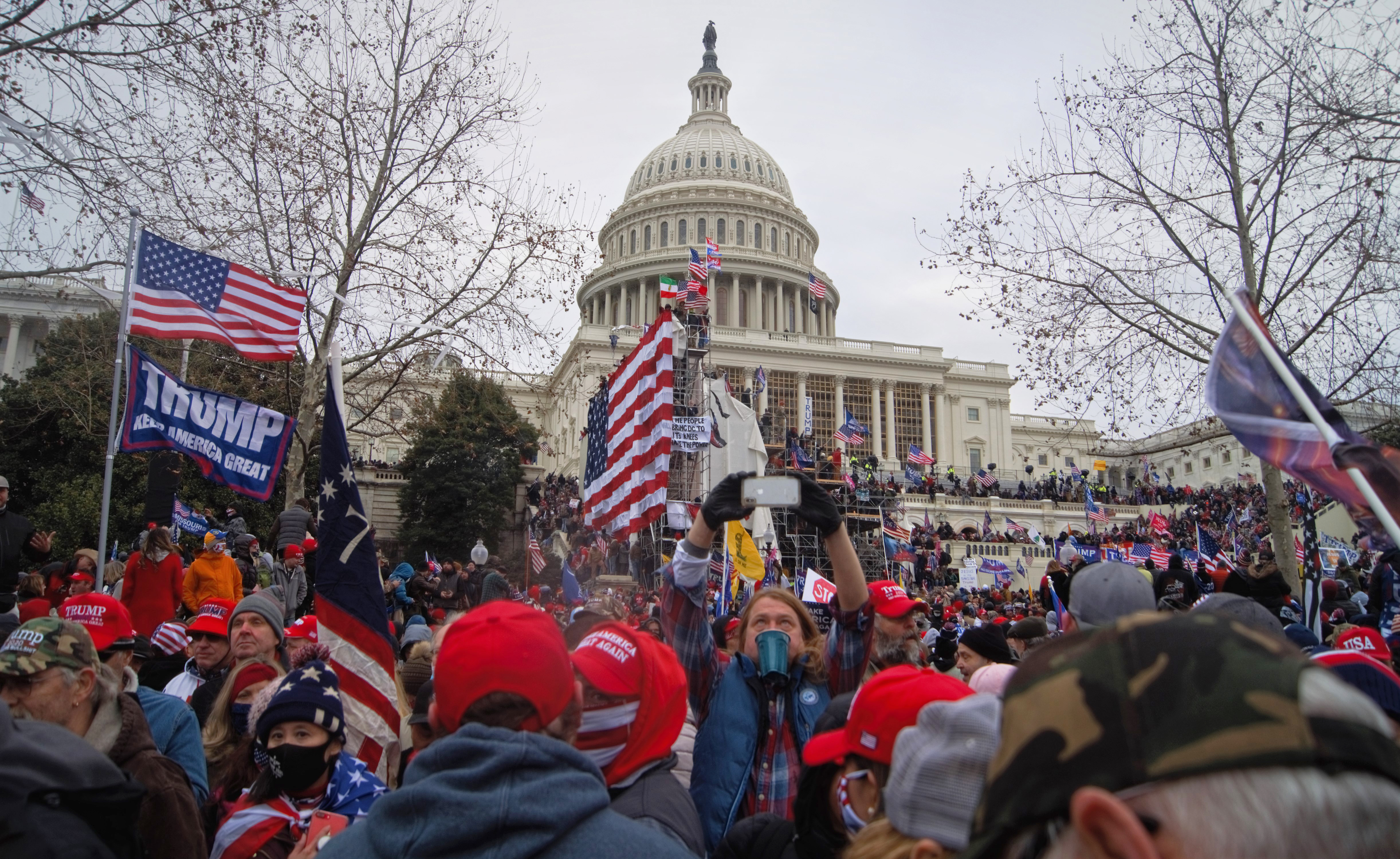
U.S. Defense Secretary Pete Hegseth said Congress that the 60-day War Powers clock regarding military action against Iran has been paused [1].
This development places the Trump administration in a precarious legal position as Congress determines whether to authorize the ongoing conflict or force a wind-down of hostilities. Under the War Powers Act, the executive branch must secure congressional approval after 60 days of military action [2].
Testifying on Capitol Hill, Hegseth said, "The clock is paused" [1]. The statement comes as lawmakers face a midnight legal deadline to either approve the war or end it [3]. While some reports indicate this deadline occurred on Thursday [3], other sources cited midnight Friday [2].
Congressional members expressed concern over the legality of the military engagement. One Democratic representative said, "We will not allow an endless war without congressional oversight" [2]. The tension centers on whether the administration can legally maintain a military presence without a formal vote from the legislature.
An unnamed congressional staffer said that if Congress does not act before the midnight deadline, the administration will have to end hostilities [3]. This legal requirement serves as a check on presidential power to initiate and sustain foreign wars.
Financial costs of the conflict have already reached significant levels. U.S. officials estimate the Iran war has cost $25 billion so far [4]. This expenditure adds pressure on lawmakers to decide the long-term viability of the military strategy.
There is currently a contradiction regarding the status of the legal timeline. While Hegseth said the clock is paused, other reports suggest the clock continues to run and must be reset if not authorized by Congress [3].
“"The clock is paused."”
The dispute over the 'War Powers clock' represents a constitutional struggle between executive authority and legislative oversight. If the 60-day limit is not legally paused or extended by Congress, the administration faces a mandatory wind-down of operations, regardless of the strategic situation on the ground. The $25 billion cost further complicates the political calculus for lawmakers who must balance national security with fiscal accountability.


