
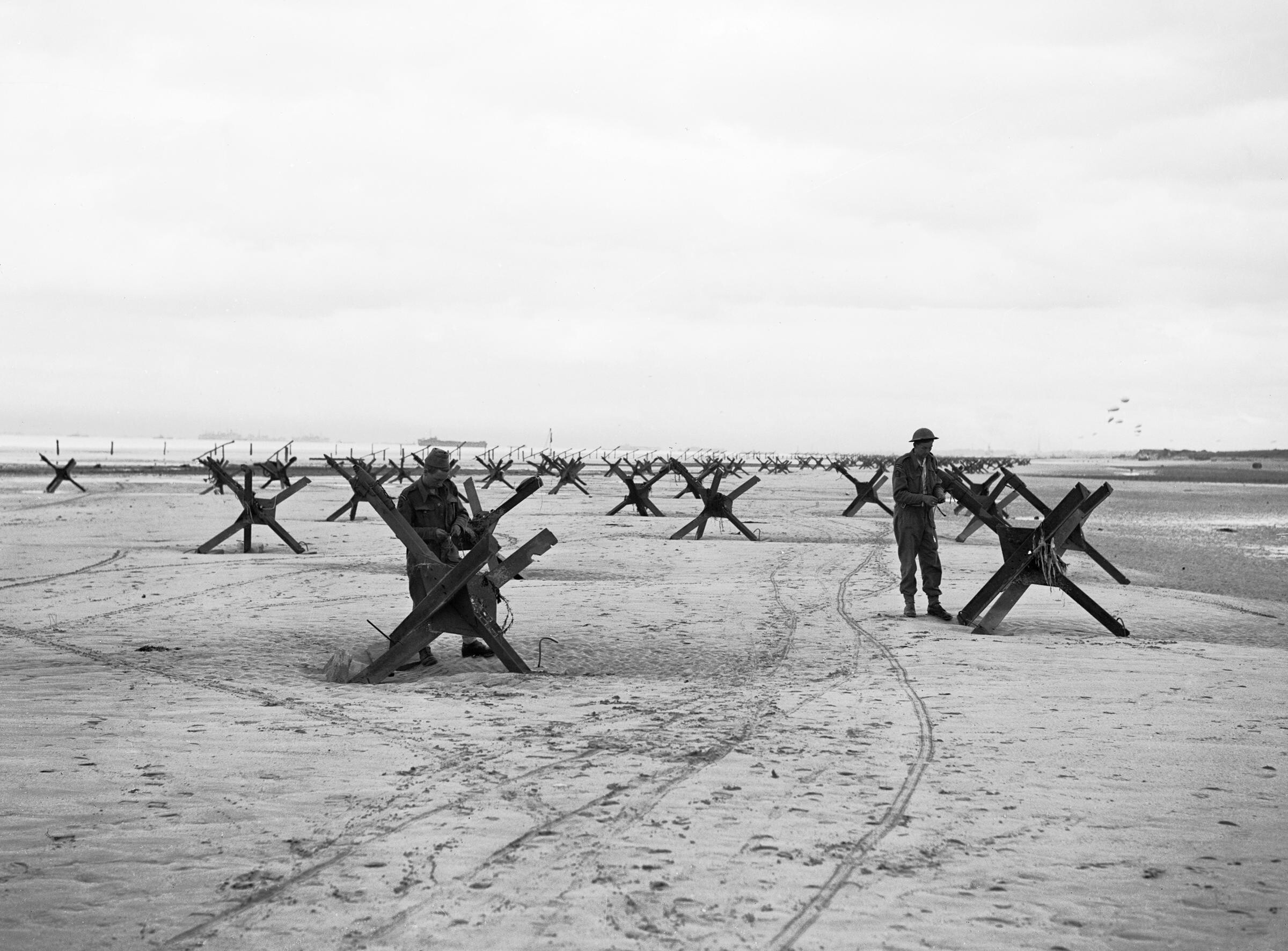
U.S. Defense Secretary Pete Hegseth warned European leaders that migration arriving by sea constitutes an "invasion" during a speech in Normandy [1].
The remarks signal a shift in how the U.S. Department of Defense frames European border security, linking maritime migration to broader ideological threats.
Speaking on June 6, 2026 [2], Hegseth addressed the 82nd anniversary of the D-Day landings [3]. He said the flow of migrants arriving by boat to southern European shores poses a security and humanitarian challenge that governments can no longer ignore [4].
Hegseth characterized the situation as a crisis of belief systems as well as borders. He said, "Europe faces an invasion of dangerous ideologies arriving by sea" [5]. This framing connects the physical movement of people to the spread of hostile political or religious views.
While some reports focused on the physical arrival of "boats and men" [4], Hegseth also described the phenomenon as a humanitarian crisis. He said, "We are seeing an invasion on our shores, and it is not a military one but a humanitarian crisis" [6].
The Defense Secretary's choice of venue, the site of one of history's largest military invasions, served as a backdrop for his warnings. He said that the current stability of the continent is under threat from these non-military arrivals [4].
European leaders have faced increasing pressure to manage Mediterranean migration routes, but Hegseth's use of the term "invasion" elevates the issue to a primary security concern for the U.S. administration [4].
“"Europe faces an invasion of dangerous ideologies arriving by sea."”
By using the term 'invasion' at a D-Day commemoration, Hegseth is intentionally mirroring military language to describe a demographic and humanitarian issue. This suggests the U.S. may seek to align its defense priorities more closely with hardline European border policies, framing migration not merely as a social challenge but as a strategic security threat to Western stability.


'%2F%3E%0A%20%20%20%20%3Crect%20width%3D'1600'%20height%3D'900'%20fill%3D'url(%23v)'%2F%3E%0A%20%20%20%20%3Cg%20opacity%3D'0.08'%20fill%3D'%23ffffff'%3E%0A%20%20%20%20%20%20%3Ccircle%20cx%3D'1420'%20cy%3D'180'%20r%3D'220'%2F%3E%0A%20%20%20%20%20%20%3Ccircle%20cx%3D'1500'%20cy%3D'760'%20r%3D'120'%2F%3E%0A%20%20%20%20%3C%2Fg%3E%0A%20%20%20%20%3Cline%20x1%3D'80'%20y1%3D'172'%20x2%3D'220'%20y2%3D'172'%20stroke%3D'%23ffffff'%20stroke-width%3D'3'%20stroke-opacity%3D'0.6'%2F%3E%0A%20%20%20%20%3Ctext%20x%3D'80'%20y%3D'140'%20font-family%3D'Inter%2C%20-apple-system%2C%20Helvetica%2C%20sans-serif'%20font-weight%3D'700'%20font-size%3D'28'%20fill%3D'%23ffffff'%20letter-spacing%3D'6'%3EHANNA%20%C2%B7%20NEWS%3C%2Ftext%3E%0A%20%20%20%20%3Ctext%20x%3D'80'%20y%3D'230'%20font-family%3D'Inter%2C%20-apple-system%2C%20Helvetica%2C%20sans-serif'%20font-weight%3D'600'%20font-size%3D'40'%20fill%3D'%23ffffffb3'%20letter-spacing%3D'4'%3EWORLD%3C%2Ftext%3E%0A%20%20%20%20%3Ctext%20x%3D'80'%20y%3D'694'%20font-family%3D'Playfair%20Display%2C%20Georgia%2C%20serif'%20font-weight%3D'800'%20font-size%3D'110'%20fill%3D'%23ffffff'%20letter-spacing%3D'-1'%3EBihar%20Fire%20Department%20Audits%3C%2Ftext%3E%3Ctext%20x%3D'80'%20y%3D'820'%20font-family%3D'Playfair%20Display%2C%20Georgia%2C%20serif'%20font-weight%3D'800'%20font-size%3D'110'%20fill%3D'%23ffffff'%20letter-spacing%3D'-1'%3EKhan%20Global%20Coaching%20Centre%3C%2Ftext%3E%0A%20%20%20%20%3Ctext%20x%3D'80'%20y%3D'870'%20font-family%3D'Inter%2C%20-apple-system%2C%20Helvetica%2C%20sans-serif'%20font-weight%3D'500'%20font-size%3D'22'%20fill%3D'%23ffffff66'%20letter-spacing%3D'2'%3Enews.hanna-ai.com%3C%2Ftext%3E%0A%20%20%3C%2Fsvg%3E)