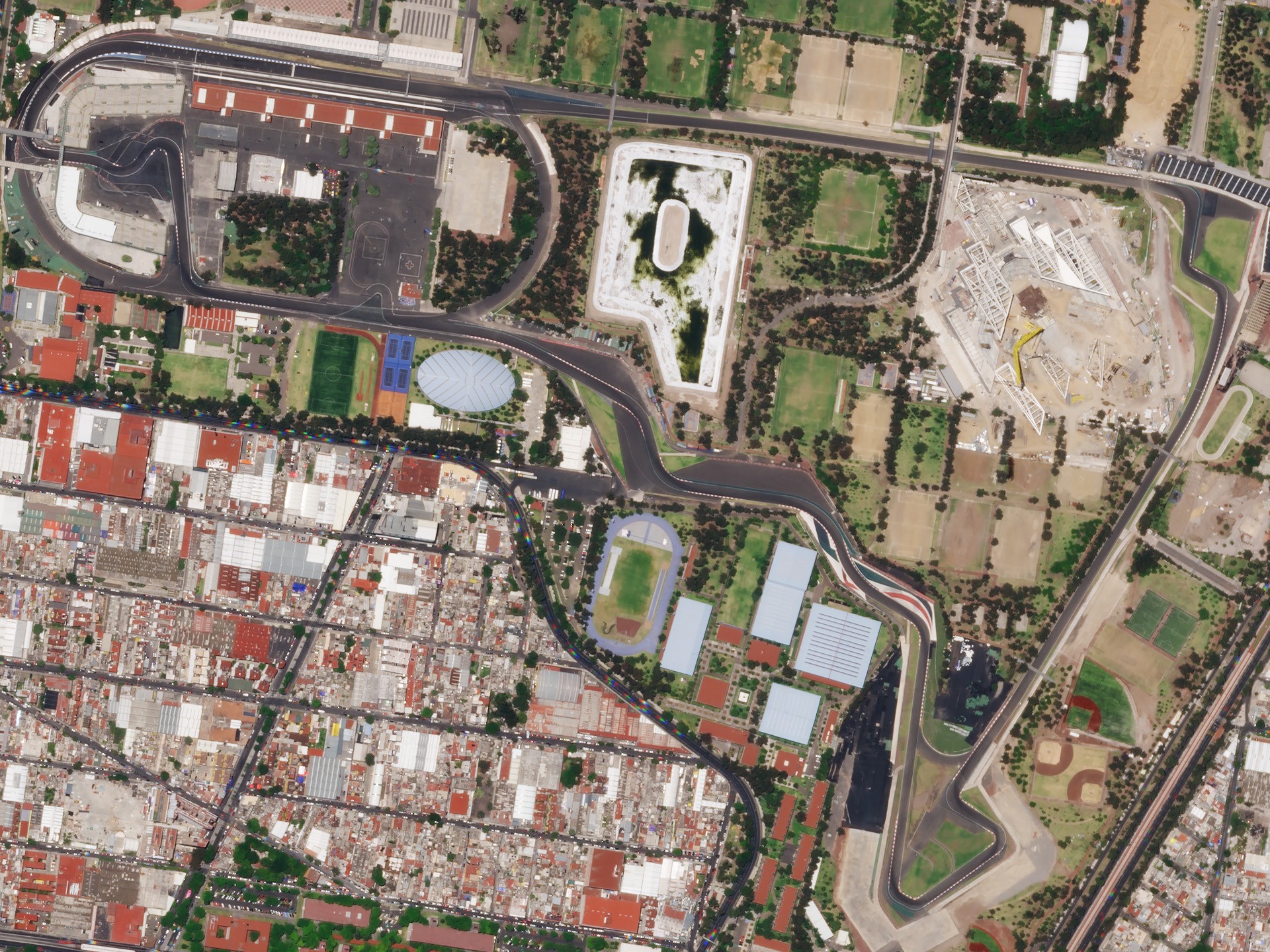
Racing drivers faced severe mechanical failures after competing in 33°C [1] heat at the Autódromo Hermanos Rodríguez in Mexico City.
This environmental stress tested the limits of automotive engineering, demonstrating how extreme temperatures can neutralize high-performance machinery regardless of driver skill. The conditions transformed the weather into a primary competitor on the track.
The high temperatures acted as an invisible enemy for the teams. The heat caused a drastic drop in vehicle performance [1], making it difficult for drivers to maintain competitive speeds as engines struggled to operate within safe thermal limits.
Beyond the loss of speed, the extreme heat caused critical hardware failures. Several vehicles suffered from broken radiators [1], which compromised the cooling systems necessary to prevent total engine failure. These failures forced teams to manage overheating components while navigating the circuit.
The Autódromo Hermanos Rodríguez is known for its challenging conditions, but the 33°C [1] peak created a volatile environment. The thermal load placed an unsustainable strain on the cooling infrastructure of the cars, leading to the reported mechanical breakdowns.
Teams must now evaluate how to adapt their cooling systems for such spikes in temperature. The event highlighted a vulnerability in current radiator designs when faced with sustained high-ambient heat in the Mexico City region.
“The heat caused a drastic drop in vehicle performance.”
This incident underscores the critical intersection of climate variables and mechanical endurance in professional motorsports. When ambient temperatures reach a threshold that exceeds the design capacity of cooling systems, the competition shifts from a test of speed to a test of thermal management, potentially altering how teams engineer vehicles for high-altitude, high-heat environments like Mexico City.


