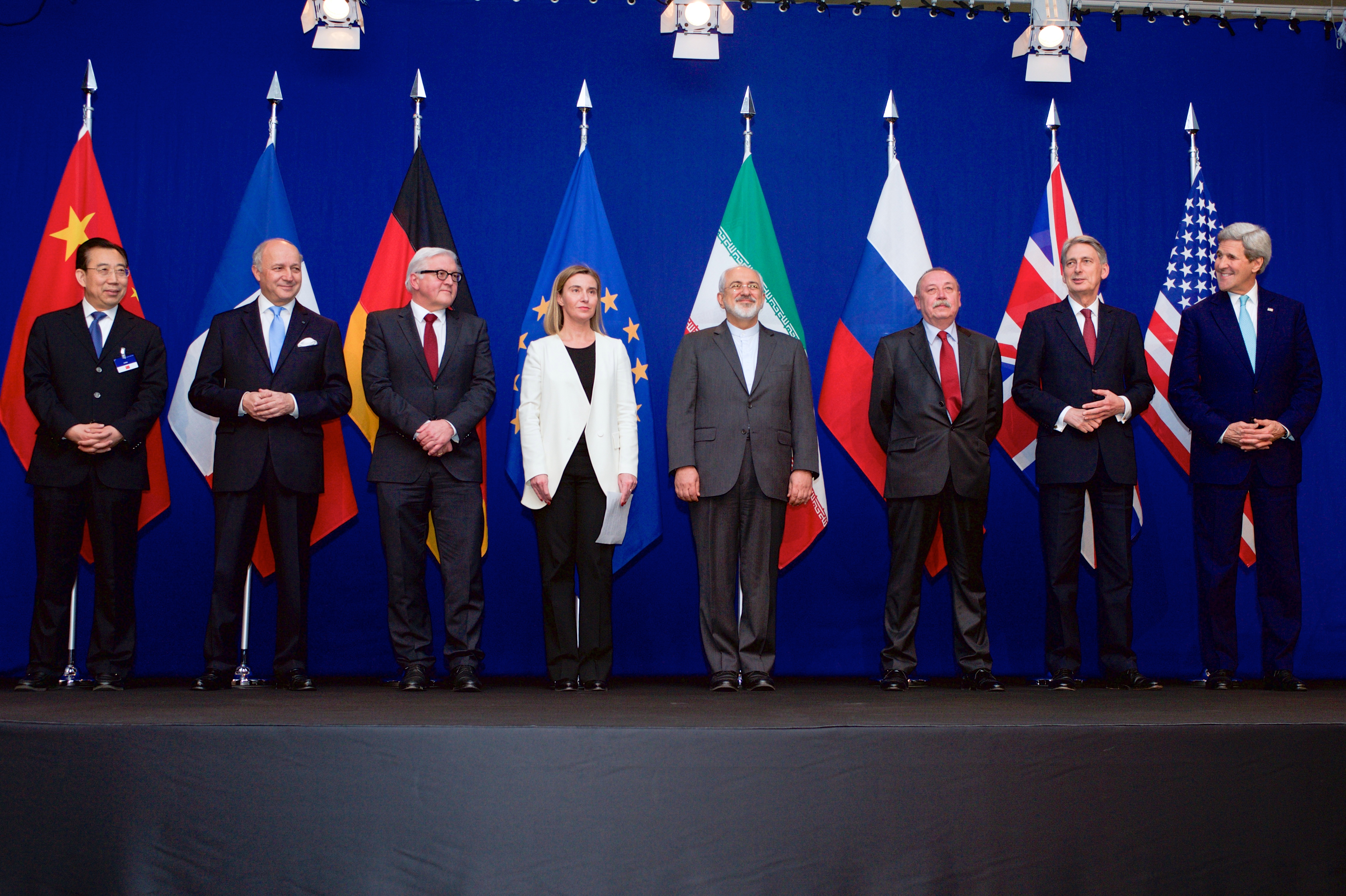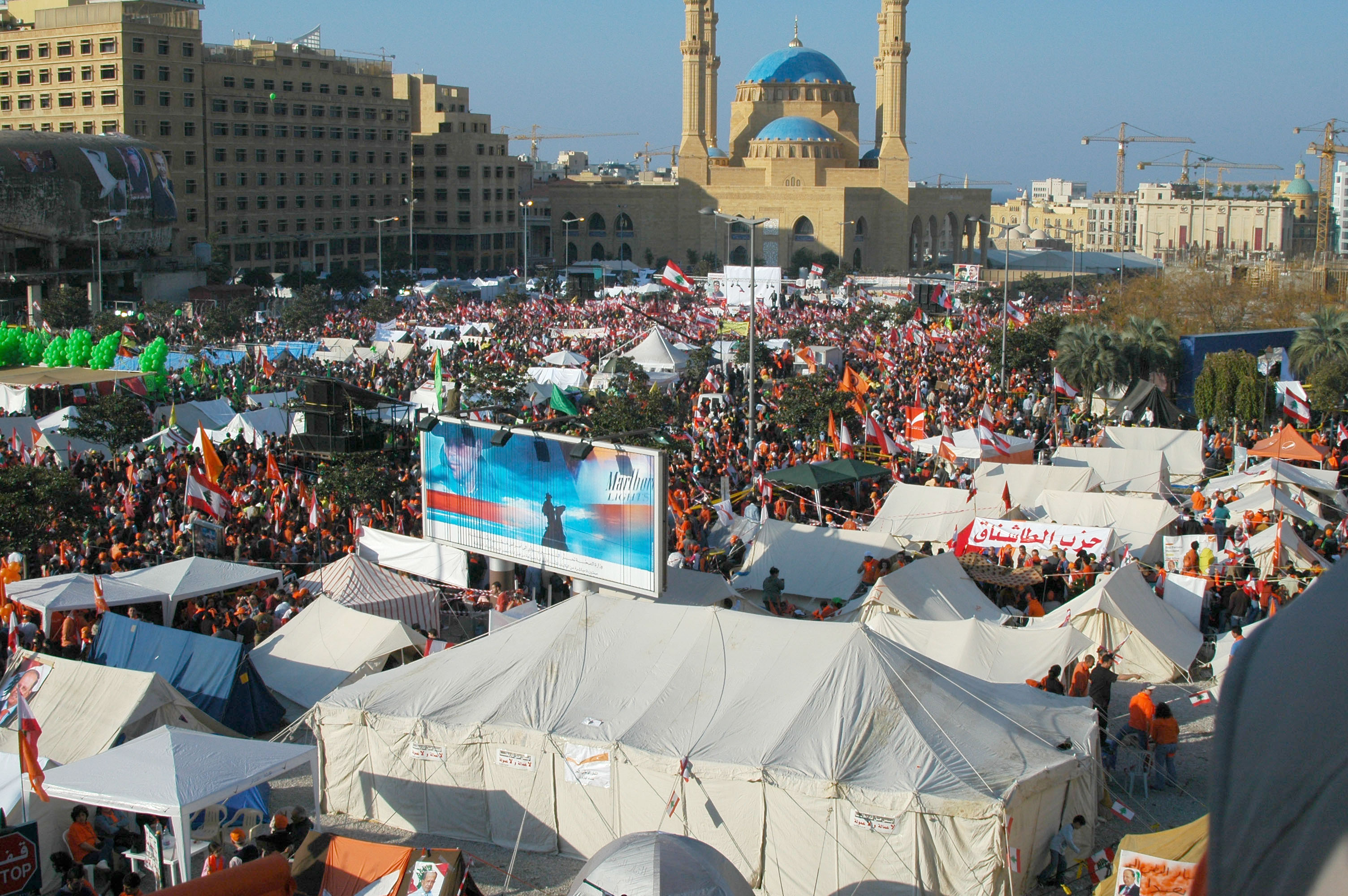
Hezbollah said the U.S.–Iran memorandum of understanding on a Lebanon ceasefire is a “big victory” following the agreement's announcement in June 2024 [1].
The development is significant because it suggests the Lebanese militant and political organization believes the deal strengthens its political influence and financial resources [2]. This perception comes at a time when the group is attempting to stabilize its position after sustaining war losses [2].
Despite the celebratory tone from Hezbollah leadership, the situation on the ground remains volatile. Israeli attacks have continued to cause casualties in Lebanon, complicating the transition to a peaceful state [1]. The agreement aims to end the fighting, but the reality of the conflict persists as the group navigates the terms of the ceasefire [1].
Regional tensions remain high as the truce remains shaky. Reports indicate that Israel and Iran have exchanged missile fire, creating a precarious environment for the implementation of the memorandum [3]. This volatility contrasts with the official narrative of victory promoted by the organization in Lebanon [1].
Hezbollah said the deal is a strategic step toward ending the hostilities while ensuring its continued presence as a dominant force in Lebanese politics [2]. The organization said the agreement provides a path forward despite the ongoing violence occurring in the region [1].
“Hezbollah declared the U.S.–Iran memorandum of understanding on a Lebanon ceasefire a “big victory””
The contrast between Hezbollah's rhetoric of victory and the reality of continued casualties suggests a strategic attempt to maintain morale and political legitimacy. By framing a U.S.–Iran deal as a win, the organization seeks to offset the impact of war losses and solidify its influence within Lebanon, even as regional missile exchanges threaten the stability of the ceasefire.