Residents of Hikawa Town remain without water and electricity after a magnitude seven earthquake [1] caused widespread infrastructure failure.
The disaster has severed critical lifelines during a period of extreme heat, complicating rescue efforts and endangering public health as water pipe damage persists.
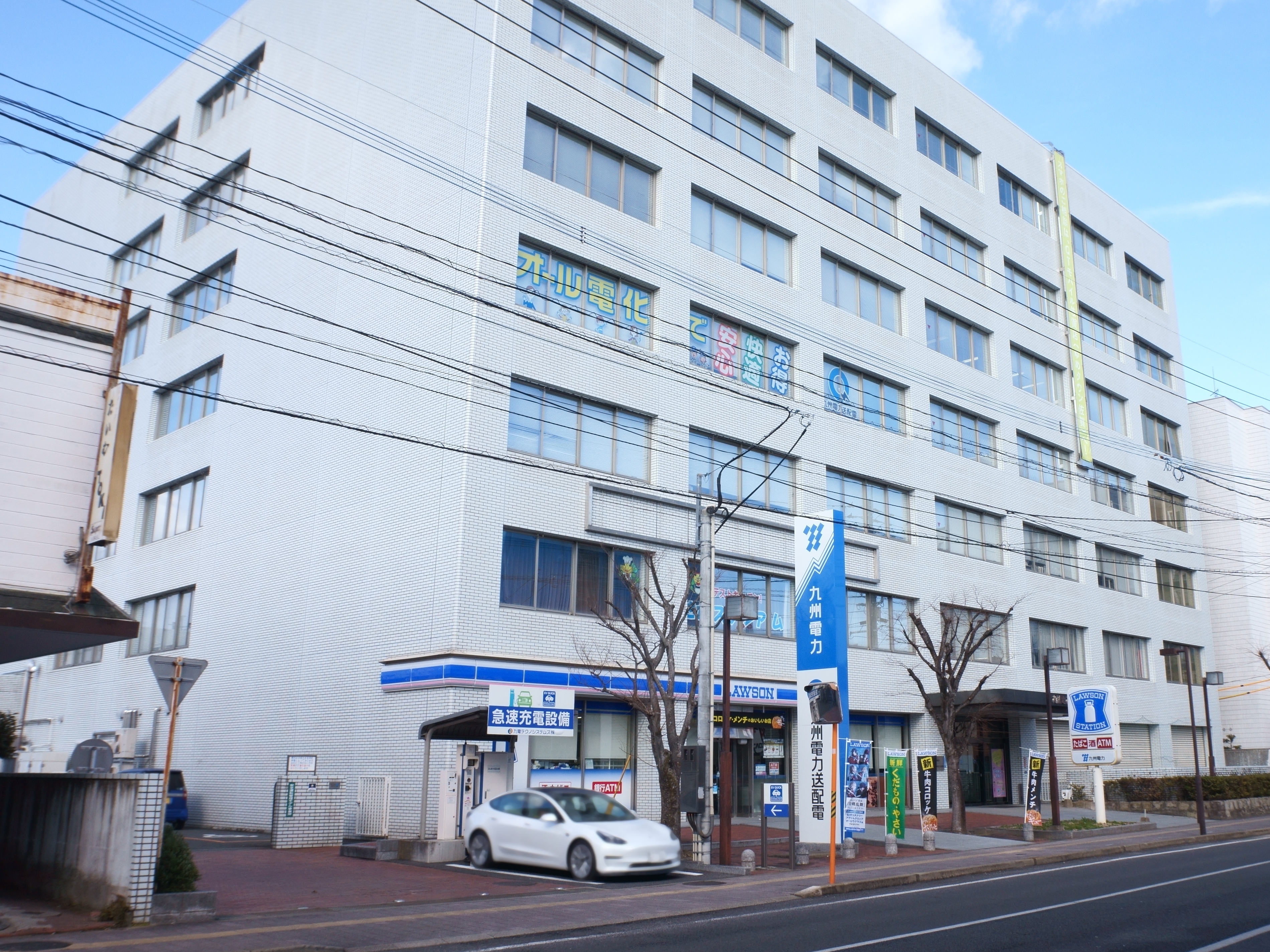
Kyushu Electric Power reported that 48,800 households lost power on the first day of the disaster [3]. As of 3 p.m. Thursday, approximately 60% of contract households remained without electricity [2]. Utility crews have begun installing temporary power lines to restore service to some areas while permanent repairs continue.
Musashi Tokomura, an announcer on the scene, described a landscape of destruction where multiple utility poles had fallen. He said some poles were snapped in half and left hanging by their wires [6].
Water services face a more difficult recovery. Damage to water conveyance pipes has prevented water from reaching the purification plant, meaning the water outage is expected to be prolonged [1].
Kyushu Electric Power is working to complete all electricity restorations by the evening of July 31 [4]. The utility is applying lessons learned from previous disasters to accelerate the process.
Hirotake Kakehashi, a spokesperson for Kyushu Electric Power, said the company is focused on delivering electricity to customers as quickly as possible, drawing on lessons from 10 years ago [7]. This refers to the 2016 Kumamoto earthquake, which saw 480,000 households lose power [5].
“approximately 60% of contract households remained without electricity”
The disparity between the speed of electrical recovery and water restoration highlights a common vulnerability in Japanese disaster response. While power grids can be bypassed with temporary lines, the physical rupture of underground water conveyance pipes requires extensive excavation and repair, leaving populations vulnerable to dehydration and sanitation crises during the summer heat.