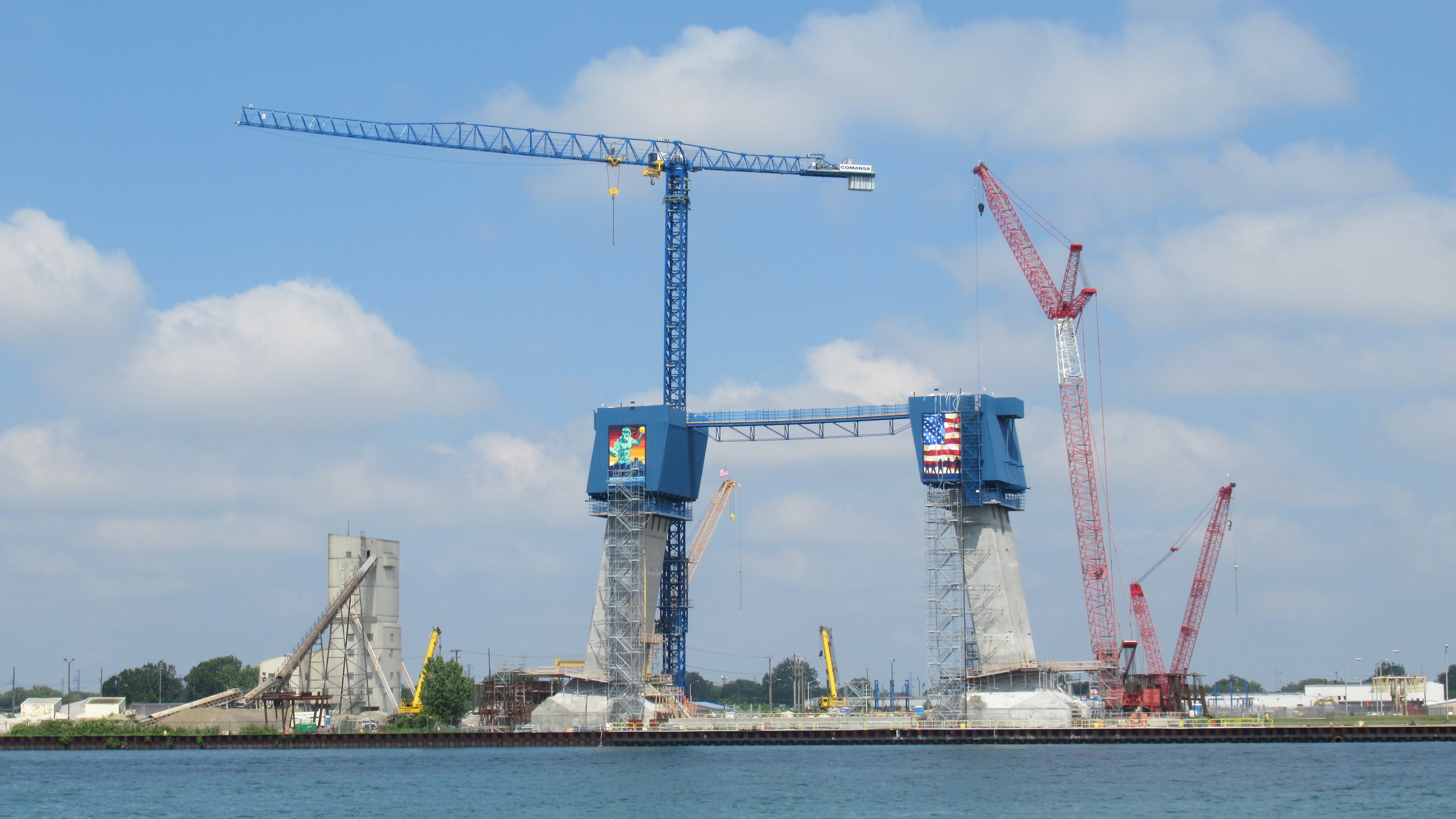
U.S. Ambassador to Canada Pete Hoekstra said that political donations from an American lobbying group did not delay the Gordie Howe Bridge opening [1].
The dispute centers on whether financial contributions to groups opposing the bridge influenced the White House's stance on the project. Because the bridge is a critical infrastructure link between Windsor, Ontario, and Detroit, Michigan, any perceived political interference could strain bilateral trade and diplomatic relations [1].
Critics suggested that donations to political groups were the primary driver behind the postponement of the crossing's opening [1]. Hoekstra dismissed these assertions during recent inquiries into the project's timeline.
"Absolutely not," Hoekstra said [1].
The Gordie Howe Bridge is a massive infrastructure project with a total cost of $6.4 billion [3]. The bridge aims to modernize the border crossing and reduce congestion for the thousands of vehicles and commercial trucks that move between the two countries daily.
Despite the controversy regarding the delay, Hoekstra said that the project remains a priority for the U.S. government. He noted that the process of finalizing the crossing is ongoing.
"I'm optimistic the crossing will open soon," Hoekstra said [2].
The project has faced various hurdles since its inception, but the federal authority overseeing the construction maintains that the cost remains at $6.4 billion [3] despite the timeline shifts. The bridge is intended to replace aging infrastructure and provide a more efficient route for international commerce, a goal that remains central to the economic stability of the Great Lakes region [1].
“"Absolutely not," Hoekstra said.”
The denial by Ambassador Hoekstra attempts to decouple the Gordie Howe Bridge's operational timeline from domestic U.S. political fundraising. If the delay were proven to be the result of lobbying rather than technical or administrative hurdles, it would suggest that private interest groups hold significant sway over critical North American trade infrastructure. For now, the U.S. position is that the project's postponement is unrelated to political contributions.

'%2F%3E%0A%20%20%20%20%3Crect%20width%3D'1600'%20height%3D'900'%20fill%3D'url(%23v)'%2F%3E%0A%20%20%20%20%3Cg%20opacity%3D'0.08'%20fill%3D'%23ffffff'%3E%0A%20%20%20%20%20%20%3Ccircle%20cx%3D'1420'%20cy%3D'180'%20r%3D'220'%2F%3E%0A%20%20%20%20%20%20%3Ccircle%20cx%3D'1500'%20cy%3D'760'%20r%3D'120'%2F%3E%0A%20%20%20%20%3C%2Fg%3E%0A%20%20%20%20%3Cline%20x1%3D'80'%20y1%3D'172'%20x2%3D'220'%20y2%3D'172'%20stroke%3D'%23ffffff'%20stroke-width%3D'3'%20stroke-opacity%3D'0.6'%2F%3E%0A%20%20%20%20%3Ctext%20x%3D'80'%20y%3D'140'%20font-family%3D'Inter%2C%20-apple-system%2C%20Helvetica%2C%20sans-serif'%20font-weight%3D'700'%20font-size%3D'28'%20fill%3D'%23ffffff'%20letter-spacing%3D'6'%3EHANNA%20%C2%B7%20NEWS%3C%2Ftext%3E%0A%20%20%20%20%3Ctext%20x%3D'80'%20y%3D'230'%20font-family%3D'Inter%2C%20-apple-system%2C%20Helvetica%2C%20sans-serif'%20font-weight%3D'600'%20font-size%3D'40'%20fill%3D'%23ffffffb3'%20letter-spacing%3D'4'%3EWORLD%3C%2Ftext%3E%0A%20%20%20%20%3Ctext%20x%3D'80'%20y%3D'622'%20font-family%3D'Playfair%20Display%2C%20Georgia%2C%20serif'%20font-weight%3D'800'%20font-size%3D'86'%20fill%3D'%23ffffff'%20letter-spacing%3D'-1'%3ELine-Shaped%20Rain%20Band%20Hits%3C%2Ftext%3E%3Ctext%20x%3D'80'%20y%3D'721'%20font-family%3D'Playfair%20Display%2C%20Georgia%2C%20serif'%20font-weight%3D'800'%20font-size%3D'86'%20fill%3D'%23ffffff'%20letter-spacing%3D'-1'%3EKumamoto%2C%20Triggering%3C%2Ftext%3E%3Ctext%20x%3D'80'%20y%3D'820'%20font-family%3D'Playfair%20Display%2C%20Georgia%2C%20serif'%20font-weight%3D'800'%20font-size%3D'86'%20fill%3D'%23ffffff'%20letter-spacing%3D'-1'%3ELandslides%3C%2Ftext%3E%0A%20%20%20%20%3Ctext%20x%3D'80'%20y%3D'870'%20font-family%3D'Inter%2C%20-apple-system%2C%20Helvetica%2C%20sans-serif'%20font-weight%3D'500'%20font-size%3D'22'%20fill%3D'%23ffffff66'%20letter-spacing%3D'2'%3Enews.hanna-ai.com%3C%2Ftext%3E%0A%20%20%3C%2Fsvg%3E)