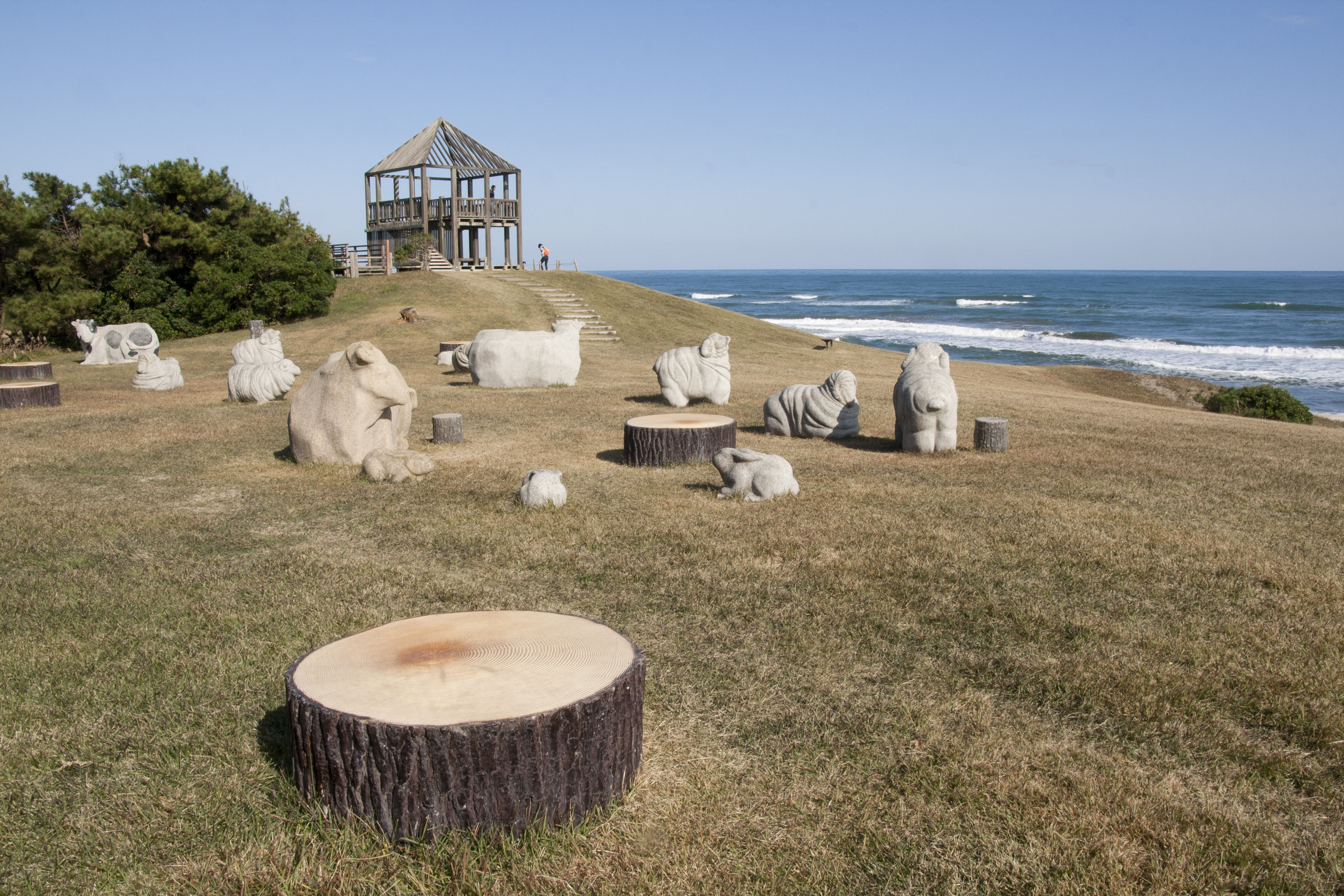
Officials in Hokuta City have canceled the summer opening of the Otake Coast Hokuta Beach after severe coastal erosion made the area unsafe [1, 2].
The closure of a site known as the "Gold Coast of Ibaraki" signals a growing crisis for Japanese coastal tourism and public safety. The loss of beach sand prevents the city from ensuring visitor security, leading to the decision to prohibit entry in certain sections of the coastline [1, 2].
City executives said the decision to the city council on July 4 [1]. The move comes as the region struggles with a significant reduction in sandy shores, which has rendered the traditional beach operation impossible for the current season [1, 2].
This closure represents a major blow to local tourism, as the beach typically attracts more than 20,000 visitors annually [2]. The disappearance of the shoreline is not a temporary fluctuation but part of a larger environmental trend. Projections indicate that more than 60% of the sandy beaches in the area could vanish by the year 2100 [2].
The city administration said the decision was necessary because maintaining safety standards for swimmers and tourists was no longer feasible given the current state of the coast [1, 2]. While the city continues to monitor the erosion, the immediate priority remains the prevention of accidents in the unstable coastal zones [1].
“The loss of beach sand prevents the city from ensuring visitor security.”
The closure of the Otake Coast Hokuta Beach is a tangible example of how long-term coastal erosion is transitioning from a theoretical environmental threat to an immediate economic and social disruption. As regional governments face the reality of losing over half of their shorelines by the end of the century, Japan may see a broader trend of permanent beach closures and a necessary shift in how coastal municipalities manage tourism and land use.


