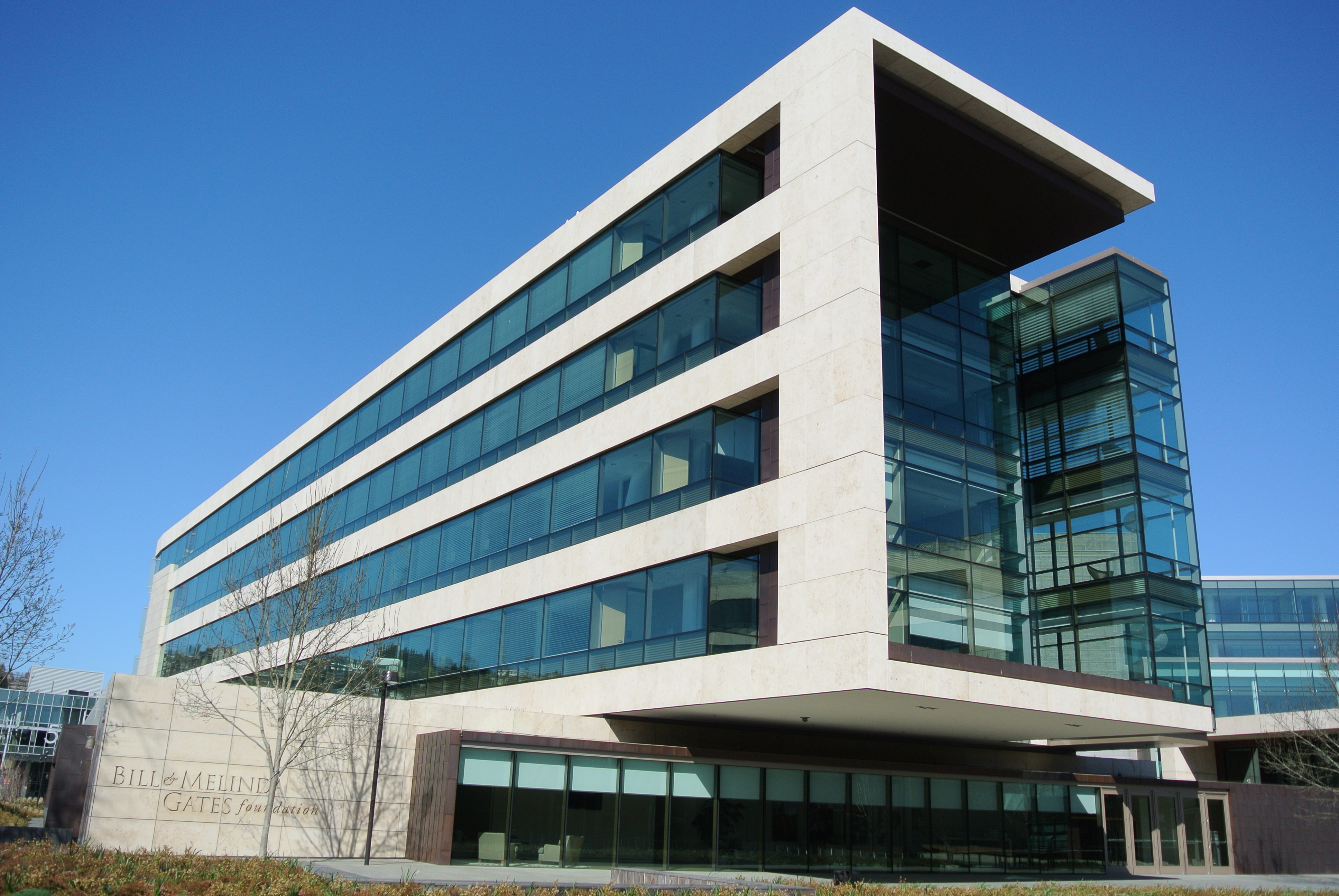
Honda Motor Co. has cancelled plans to build an electric-vehicle manufacturing plant in Alliston, Ontario [1].
The decision signals a significant retreat from the rapid electrification goals previously set by major automakers. It highlights the volatility of the current transition to green energy and the impact of shifting consumer preferences on industrial investment.
The cancelled project represented a massive capital commitment. While reports on the total investment cost vary, the project was estimated to be worth between $11 billion [2] and $15 billion [1]. This withdrawal comes as the company navigates a complex market environment characterized by lagging demand for fully electric vehicles [1].
Honda said several factors drove the decision. The company cited weak demand in the U.S. market and a broader industry shift toward hybrid vehicles as primary reasons for the pivot [1]. Additionally, the automaker said that tariff pressures on Canadian automobiles have complicated the financial outlook for the facility [3].
The cancellation coincides with a broader decline in manufacturing employment within Ontario [3]. To address the resulting gap in the industrial workforce, Ottawa has announced a $6 billion skilled-trades initiative [3]. This government funding aims to bolster the labor market as the province adjusts to the loss of the planned facility.
The shift toward hybrids suggests a more cautious approach to the EV transition. By prioritizing hybrid technology over full electrification, Honda is aligning its production strategy with current buyer behavior, a move that may protect short-term margins at the expense of long-term carbon goals.
“Honda Motor Co. has cancelled plans to build an electric-vehicle manufacturing plant in Alliston, Ontario.”
This cancellation reflects a broader 'EV correction' across the automotive industry, where manufacturers are scaling back ambitious electric targets in favor of hybrids. The move suggests that the infrastructure and consumer appetite for EVs in North America have not kept pace with corporate projections, forcing companies to prioritize flexibility over total electrification to avoid stranded assets.
'%2F%3E%0A%20%20%20%20%3Crect%20width%3D'1600'%20height%3D'900'%20fill%3D'url(%23v)'%2F%3E%0A%20%20%20%20%3Cg%20opacity%3D'0.08'%20fill%3D'%23ffffff'%3E%0A%20%20%20%20%20%20%3Ccircle%20cx%3D'1420'%20cy%3D'180'%20r%3D'220'%2F%3E%0A%20%20%20%20%20%20%3Ccircle%20cx%3D'1500'%20cy%3D'760'%20r%3D'120'%2F%3E%0A%20%20%20%20%3C%2Fg%3E%0A%20%20%20%20%3Cline%20x1%3D'80'%20y1%3D'172'%20x2%3D'220'%20y2%3D'172'%20stroke%3D'%23ffffff'%20stroke-width%3D'3'%20stroke-opacity%3D'0.6'%2F%3E%0A%20%20%20%20%3Ctext%20x%3D'80'%20y%3D'140'%20font-family%3D'Inter%2C%20-apple-system%2C%20Helvetica%2C%20sans-serif'%20font-weight%3D'700'%20font-size%3D'28'%20fill%3D'%23ffffff'%20letter-spacing%3D'6'%3EHANNA%20%C2%B7%20NEWS%3C%2Ftext%3E%0A%20%20%20%20%3Ctext%20x%3D'80'%20y%3D'230'%20font-family%3D'Inter%2C%20-apple-system%2C%20Helvetica%2C%20sans-serif'%20font-weight%3D'600'%20font-size%3D'40'%20fill%3D'%23ffffffb3'%20letter-spacing%3D'4'%3EBUSINESS%3C%2Ftext%3E%0A%20%20%20%20%3Ctext%20x%3D'80'%20y%3D'622'%20font-family%3D'Playfair%20Display%2C%20Georgia%2C%20serif'%20font-weight%3D'800'%20font-size%3D'86'%20fill%3D'%23ffffff'%20letter-spacing%3D'-1'%3EChild%20killed%20after%20tree%3C%2Ftext%3E%3Ctext%20x%3D'80'%20y%3D'721'%20font-family%3D'Playfair%20Display%2C%20Georgia%2C%20serif'%20font-weight%3D'800'%20font-size%3D'86'%20fill%3D'%23ffffff'%20letter-spacing%3D'-1'%3Efalls%20on%20school%20bus%20in%3C%2Ftext%3E%3Ctext%20x%3D'80'%20y%3D'820'%20font-family%3D'Playfair%20Display%2C%20Georgia%2C%20serif'%20font-weight%3D'800'%20font-size%3D'86'%20fill%3D'%23ffffff'%20letter-spacing%3D'-1'%3EMumbai%3C%2Ftext%3E%0A%20%20%20%20%3Ctext%20x%3D'80'%20y%3D'870'%20font-family%3D'Inter%2C%20-apple-system%2C%20Helvetica%2C%20sans-serif'%20font-weight%3D'500'%20font-size%3D'22'%20fill%3D'%23ffffff66'%20letter-spacing%3D'2'%3Enews.hanna-ai.com%3C%2Ftext%3E%0A%20%20%3C%2Fsvg%3E)