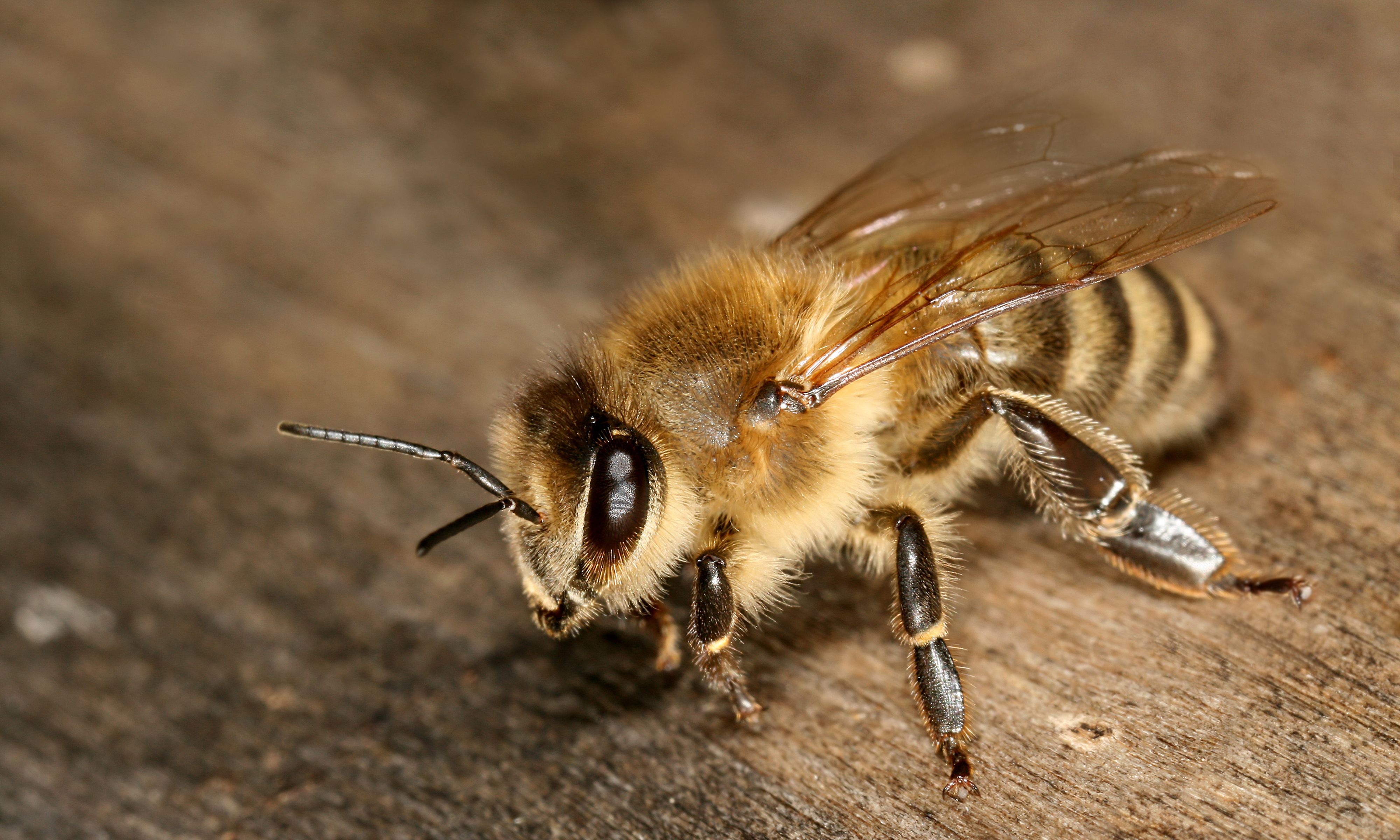
Honeybee colonies maintain a complex social structure that can lead to the replacement of a queen bee when she no longer serves the hive.
This process is critical for colony survival, as the queen is the sole reproductive female responsible for the population's growth and genetic continuity.
Worker bees monitor the health and productivity of the queen through chemical signals. If the queen stops producing enough pheromones to suppress the reproductive capabilities of the workers, the hive may perceive her as failing. This chemical shift triggers the workers to begin rearing a new queen from existing larvae.
Once a new queen emerges, the colony may transition its loyalty. This shift is not a conscious rebellion but a biological imperative to ensure the hive's longevity. The workers prioritize the most viable reproductive leader to maintain the colony's stability, a process that ensures the hive does not collapse due to a sterile or aging leader.
In some instances, the workers may actively remove the old queen to make way for the successor. This behavior is an evolutionary adaptation that allows the colony to pivot quickly in response to environmental stressors or genetic decline. The transition ensures that the hive remains productive and capable of surviving winter cycles.
“The process is critical for colony survival.”
The replacement of a queen bee illustrates the priority of the collective over the individual in eusocial insects. By utilizing chemical signaling to trigger leadership changes, honeybee colonies mitigate the risk of total colony collapse, ensuring that reproductive viability is always maintained regardless of the individual queen's health.
'%2F%3E%0A%20%20%20%20%3Crect%20width%3D'1600'%20height%3D'900'%20fill%3D'url(%23v)'%2F%3E%0A%20%20%20%20%3Cg%20opacity%3D'0.08'%20fill%3D'%23ffffff'%3E%0A%20%20%20%20%20%20%3Ccircle%20cx%3D'1420'%20cy%3D'180'%20r%3D'220'%2F%3E%0A%20%20%20%20%20%20%3Ccircle%20cx%3D'1500'%20cy%3D'760'%20r%3D'120'%2F%3E%0A%20%20%20%20%3C%2Fg%3E%0A%20%20%20%20%3Cline%20x1%3D'80'%20y1%3D'172'%20x2%3D'220'%20y2%3D'172'%20stroke%3D'%23ffffff'%20stroke-width%3D'3'%20stroke-opacity%3D'0.6'%2F%3E%0A%20%20%20%20%3Ctext%20x%3D'80'%20y%3D'140'%20font-family%3D'Inter%2C%20-apple-system%2C%20Helvetica%2C%20sans-serif'%20font-weight%3D'700'%20font-size%3D'28'%20fill%3D'%23ffffff'%20letter-spacing%3D'6'%3EHANNA%20%C2%B7%20NEWS%3C%2Ftext%3E%0A%20%20%20%20%3Ctext%20x%3D'80'%20y%3D'230'%20font-family%3D'Inter%2C%20-apple-system%2C%20Helvetica%2C%20sans-serif'%20font-weight%3D'600'%20font-size%3D'40'%20fill%3D'%23ffffffb3'%20letter-spacing%3D'4'%3ESCIENCE%3C%2Ftext%3E%0A%20%20%20%20%3Ctext%20x%3D'80'%20y%3D'622'%20font-family%3D'Playfair%20Display%2C%20Georgia%2C%20serif'%20font-weight%3D'800'%20font-size%3D'86'%20fill%3D'%23ffffff'%20letter-spacing%3D'-1'%3ECleveland%20Clinic%20Highlights%3C%2Ftext%3E%3Ctext%20x%3D'80'%20y%3D'721'%20font-family%3D'Playfair%20Display%2C%20Georgia%2C%20serif'%20font-weight%3D'800'%20font-size%3D'86'%20fill%3D'%23ffffff'%20letter-spacing%3D'-1'%3ELung%20Cancer%20Screening%3C%2Ftext%3E%3Ctext%20x%3D'80'%20y%3D'820'%20font-family%3D'Playfair%20Display%2C%20Georgia%2C%20serif'%20font-weight%3D'800'%20font-size%3D'86'%20fill%3D'%23ffffff'%20letter-spacing%3D'-1'%3EServices%3C%2Ftext%3E%0A%20%20%20%20%3Ctext%20x%3D'80'%20y%3D'870'%20font-family%3D'Inter%2C%20-apple-system%2C%20Helvetica%2C%20sans-serif'%20font-weight%3D'500'%20font-size%3D'22'%20fill%3D'%23ffffff66'%20letter-spacing%3D'2'%3Enews.hanna-ai.com%3C%2Ftext%3E%0A%20%20%3C%2Fsvg%3E)

