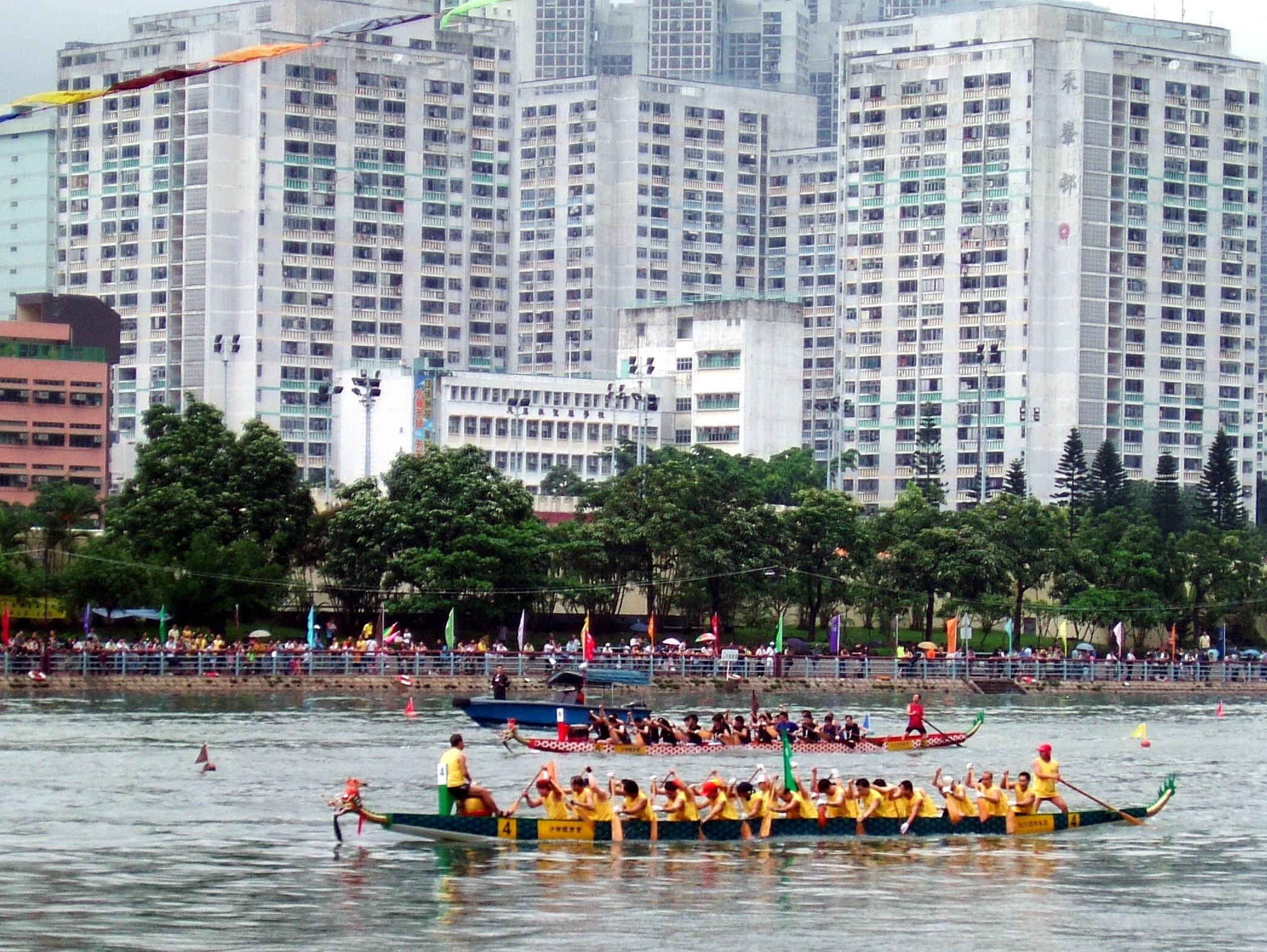
Hong Kong has expanded its traditional Dragon Boat races into a 13-day cultural and sporting festival this June [1].
The expansion is a strategic effort by the Hong Kong Tourism Board and local authorities to revive tourism and increase visitor spending. By transforming a traditional race into a longer festival, the city aims to attract more overnight visitors as part of its post-pandemic recovery efforts [2, 3].
The event is centered on the Tsim Sha Tsui waterfront and other key city locations [4]. This year's festivities feature approximately 4,500 participants [1], who are divided among 220 teams [1]. The international scope of the competition is highlighted by the presence of athletes from 16 different countries and regions [1].
Local authorities are partnering with the business community to launch the "Hong Kong Summer Fun" promotion [3]. This initiative integrates the sporting events with broader commercial activities to encourage tourists to explore the city beyond the race venues. The goal is to create a comprehensive experience that drives economic activity across various sectors, from hospitality to retail.
The 2026 edition of the festival marks a shift toward larger-scale event tourism. By extending the duration of the event, the city can accommodate larger crowds and provide more opportunities for international teams to engage with the local culture [1, 2].
“The traditional Dragon Boat races have been expanded into a 13-day cultural and sporting festival.”
The transition of the Dragon Boat Festival from a race into a multi-day cultural event signals Hong Kong's shift toward 'event-driven tourism.' By leveraging traditional heritage to create a longer stay for visitors, the city is attempting to diversify its economic appeal and reduce reliance on short-term transit travelers.


