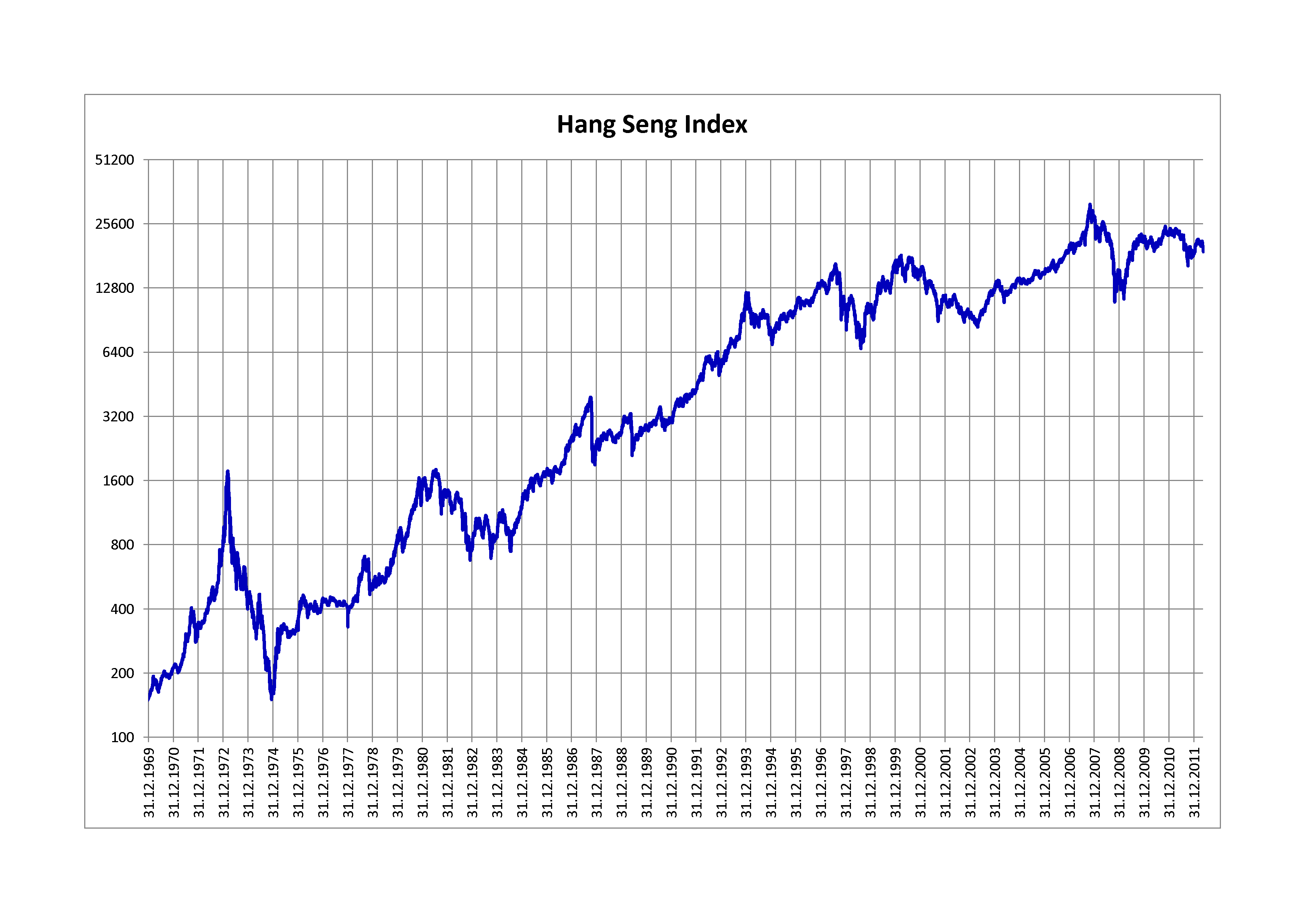
Chinese stocks listed in Hong Kong are approaching bear-market territory as the Hang Seng Index slides sharply [1].
The decline reflects a shifting global investment landscape where capital is moving away from traditional Chinese equities. This trend signals a potential long-term cooling of investor confidence in the region's primary financial hub.
Market analysts said that traders are increasingly favoring artificial intelligence winners in other markets [1]. This migration of capital has left the Hang Seng Index vulnerable to deeper losses as the focus shifts toward high-growth tech sectors outside of Hong Kong.
Beyond the lure of AI, broader geopolitical instability is weighing on the market. Risk appetite has been dampened by heightened geopolitical tension in the Middle East [1], [2]. These external pressures have created a volatile environment for investors who are already wary of regional stability.
The convergence of these factors, the pursuit of AI-driven gains elsewhere and the fear of escalating conflict, has accelerated the slide toward bear-market levels. While the index has faced various headwinds, the current combination of technological disruption and geopolitical risk is particularly acute [1], [2].
Investors continue to monitor the Hang Seng Index for signs of a floor. However, the preference for AI-focused assets in other jurisdictions remains a significant hurdle for a recovery in Hong Kong-listed Chinese shares [1].
“Chinese stocks listed in Hong Kong are approaching bear-market territory”
The slide toward a bear market suggests a structural shift in how global investors perceive risk and growth. By prioritizing AI winners in other markets over Chinese equities, investors are signaling that technological leadership is now a more critical driver of value than the traditional growth prospects of Chinese firms. When combined with Middle East tensions, this indicates a broader flight to safety and a preference for markets with perceived lower geopolitical exposure.


