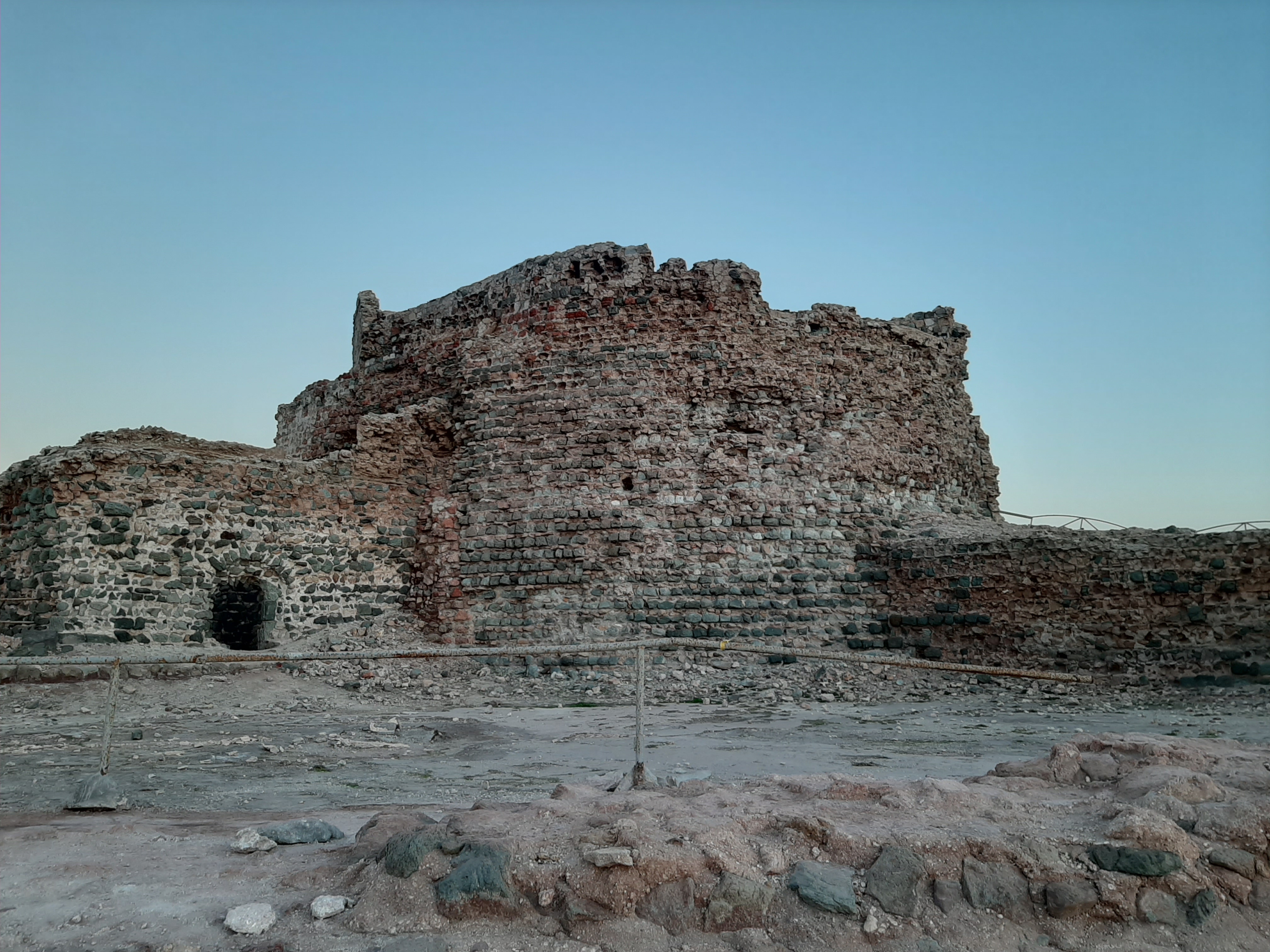
Tourism on Hormuz Island has declined sharply as the U.S.-Israel war on Iran disrupts the region [1].
The downturn threatens the livelihoods of local residents and operators who rely on the island's unique appeal to attract visitors. Because Hormuz Island is situated within the Strait of Hormuz, it is uniquely vulnerable to the geopolitical instability and maritime disruptions caused by the ongoing conflict.
This economic strain comes as the war has lasted for more than two months [1]. The conflict has created a climate of uncertainty that discourages travel and complicates the logistics of moving tourists through the strait. Local operators said the disruption of normal maritime activity has led to a significant drop in visitor numbers.
Residents of the island are now facing deepened economic hardship. The loss of tourism revenue affects not only the hospitality sector, but also the broader local economy that supports the island's infrastructure. The instability in the strait remains a primary barrier to the recovery of the local travel industry.
As the conflict persists, the uncertainty regarding the security of the waterway continues to deter both domestic and international tourists. The economic ripple effects are felt across the island, where the hospitality industry is a critical pillar of the community's financial stability.
“Tourism on Hormuz Island has declined sharply”
The decline in tourism on Hormuz Island illustrates how military conflicts in strategic maritime chokepoints create immediate economic casualties beyond the direct combat zones. By disrupting the Strait of Hormuz, the war effectively isolates the island's economy, turning a geographic asset into a liability for the local population.