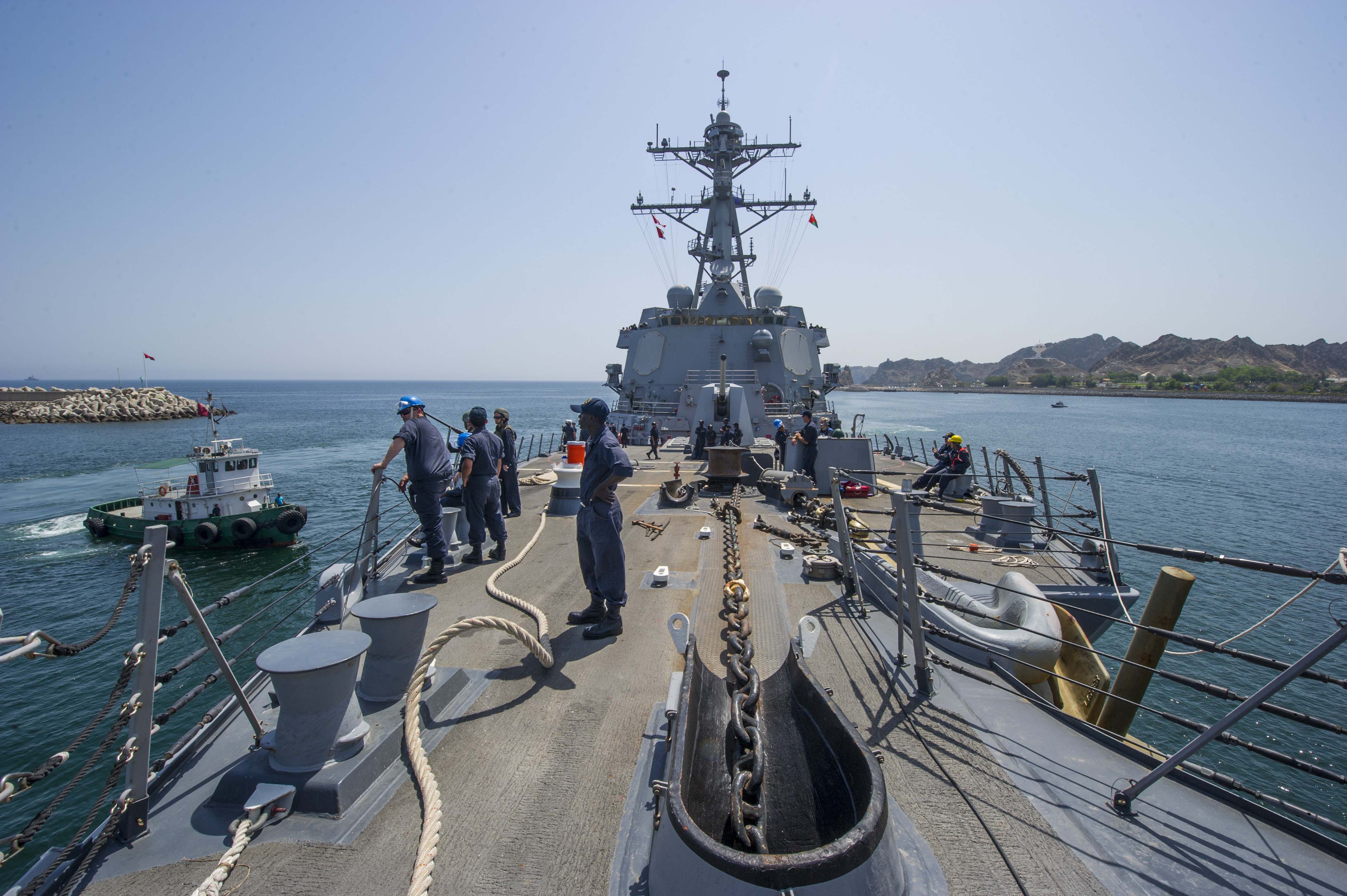
The United Kingdom, France, and Oman have signed a security pact to protect navigation and maintain the openness of the Strait of Hormuz [1].
This agreement is critical because the strait serves as a vital energy trade route. Any disruption to the flow of oil and gas through these waters could destabilize global energy markets and international trade [1], [2].
The pact involves three nations [3] working together to ensure the safety of Oman's sovereign territorial waters [2]. As part of the security measures, France has deployed two mine-hunting ships to the region [2]. The primary objective of the deployment and the broader agreement is to stabilize the maritime environment and ensure that shipping lanes remain unobstructed [1], [3].
Iran has issued a warning in response to the new security push [1]. The Iranian government has expressed concerns regarding the presence of foreign military assets and the nature of the pact within the region. While the pact focuses on the safety of territorial waters, the geopolitical tension surrounding the strait remains high, particularly as the UK and France increase their maritime presence.
Oman has agreed to the collaboration to safeguard its waters and facilitate the continued movement of commercial vessels [2], [3]. The cooperation between the European powers and the Gulf state aims to create a deterrent against threats that could impede the transit of global commodities [1].
“The United Kingdom, France, and Oman have signed a security pact to protect navigation.”
The agreement signals a strategic effort by Western powers to secure a primary global energy chokepoint through a formal partnership with Oman. By deploying specialized assets like mine-hunting ships, the UK and France are attempting to mitigate risks of maritime blockade or sabotage. However, the warning from Iran suggests that this move may be viewed as an escalation or an infringement on regional influence, potentially increasing friction in the Persian Gulf.


