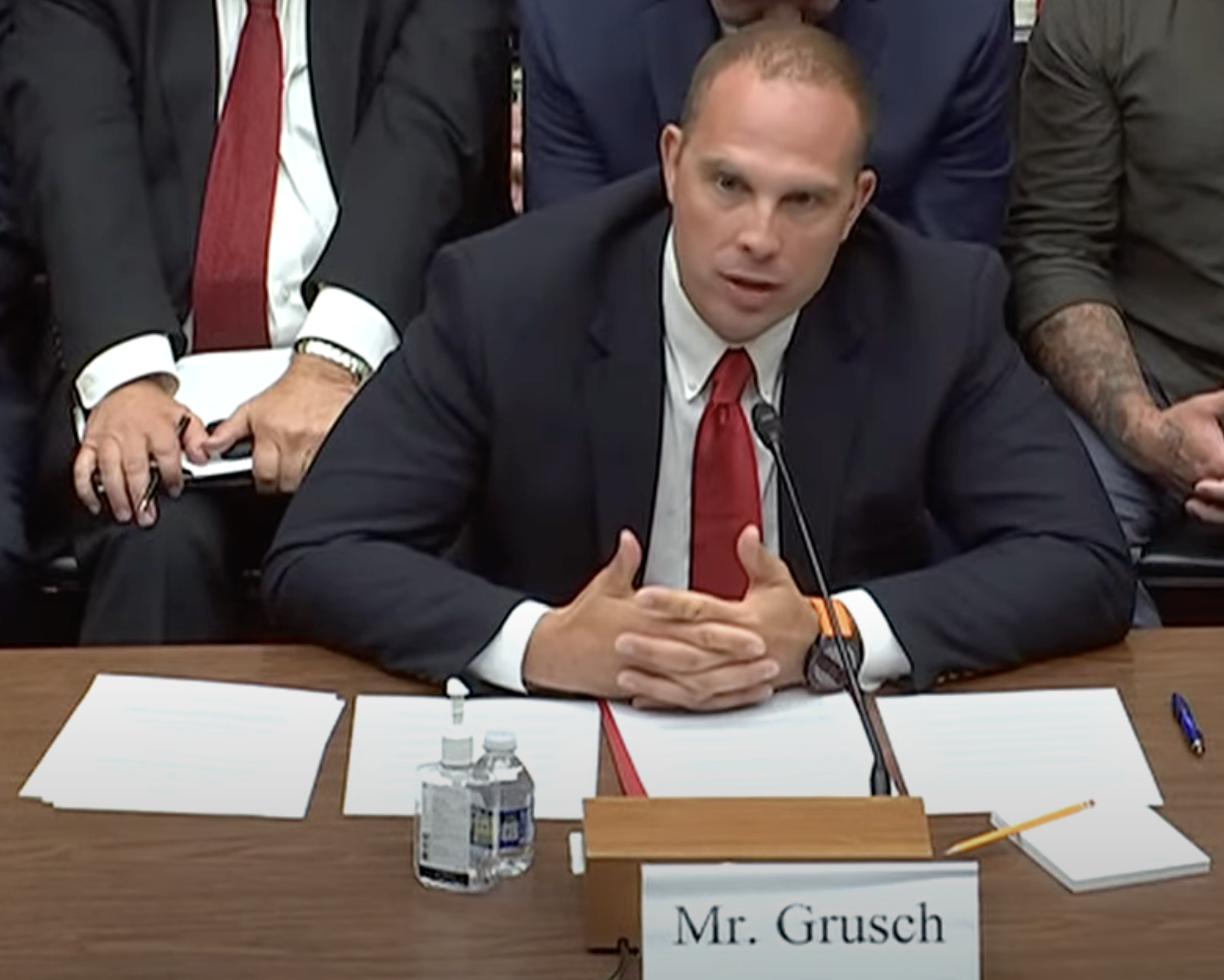
The House Judiciary Subcommittee on the Administrative State, Regulatory Reform and Antitrust held a hearing Wednesday to examine competition within the U.S. airline industry [1].
The proceedings come at a critical time for American air travel as lawmakers question whether current regulatory frameworks protect consumers or favor industry giants. The collapse of a major low-cost carrier has raised alarms regarding the stability of the budget travel market.
Members of the House of Representatives panel met in Washington, D.C., on June 24, 2026 [1], to review the current market structure. The subcommittee is specifically analyzing how government regulations and recent corporate mergers have influenced the availability of affordable flights [2].
Congressional interest in the sector intensified following the collapse of Spirit Airlines in May 2026 [1]. As a prominent low-cost carrier, the failure of the airline prompted concerns that the lack of viable competition could lead to higher ticket prices and fewer options for travelers [3].
The hearing aims to determine if the current administrative state provides sufficient oversight to prevent monopolies. Lawmakers are scrutinizing the balance between airline profitability and the necessity of a competitive environment that allows smaller carriers to survive [2].
By reviewing the factors that contributed to the recent industry volatility, the subcommittee intends to identify potential regulatory reforms. The panel is evaluating whether existing antitrust laws are sufficient to handle the complexities of modern aviation mergers, and the resulting impact on consumer choice [2].
“The collapse of Spirit Airlines in May 2026 prompted concerns that the lack of viable competition could lead to higher ticket prices.”
The collapse of Spirit Airlines serves as a catalyst for this federal inquiry, signaling a potential shift toward more aggressive antitrust enforcement in the aviation sector. If the subcommittee finds that mergers have stifled competition, it could lead to new legislative mandates or stricter Department of Justice oversight of future airline consolidations to ensure the survival of low-cost alternatives.


