
The U.S. House Rules Committee met Wednesday to consider a GOP-led spending package and a $70 billion [1] reconciliation bill.
The legislative push represents a strategic effort by House Republicans to secure funding for border security and other party priorities. By using a reconciliation vehicle, the majority party aims to streamline the passage of these measures and limit the potential for legislative delays.
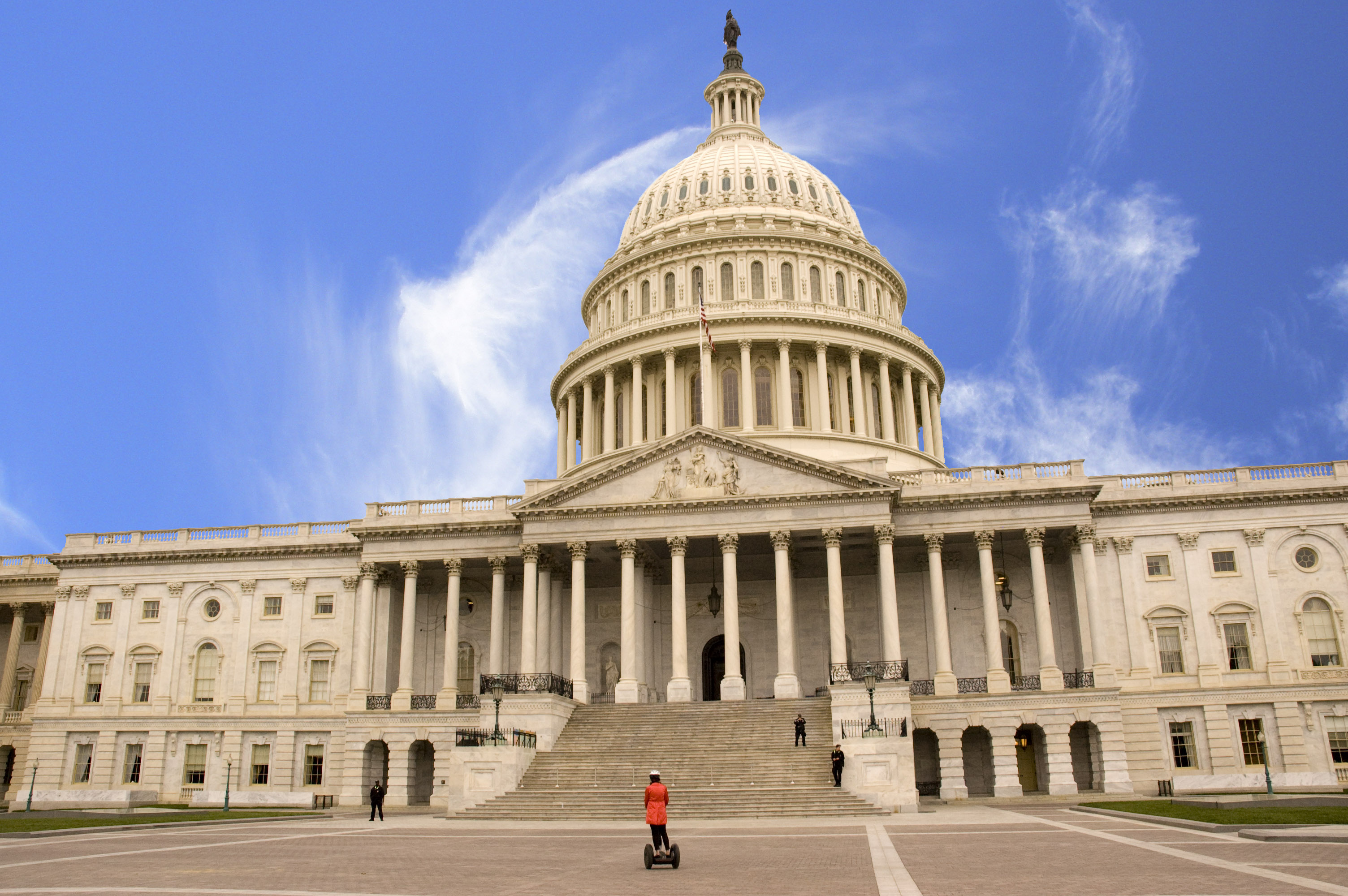
Lawmakers in the committee hearing room at the U.S. Capitol are reviewing what Republican leadership described as a "big, beautiful" spending bill. The process involves setting the terms for debate and amendments before the legislation reaches the full House floor.
A central component of the strategy is the $70 billion [1] reconciliation bill. This specific funding mechanism is designed to advance Republican priorities, specifically targeting border enforcement and immigration controls. The move comes as GOP members face a tightening window to address immigration and Foreign Intelligence Surveillance Act (FISA) concerns.
The committee's deliberations are a critical step in the legislative pipeline. If the Rules Committee approves the parameters for the bills, it clears the path for a final vote in the House. The outcome of these hearings will determine how much of the proposed spending can be enacted without facing significant hurdles from the opposition.
Republican leaders said the package is essential for national security. The focus remains on allocating resources to the southern border, a primary pillar of the current GOP legislative agenda.
“The U.S. House Rules Committee met Wednesday to consider a GOP-led spending package and a $70 billion reconciliation bill.”
The use of a reconciliation bill is a high-stakes tactical move that allows the GOP to push through significant spending changes with a simpler majority process. By bundling border security and other priorities into a $70 billion package, the House leadership is attempting to force a definitive vote on core party platforms while bypassing some of the traditional legislative friction associated with large-scale appropriations.


