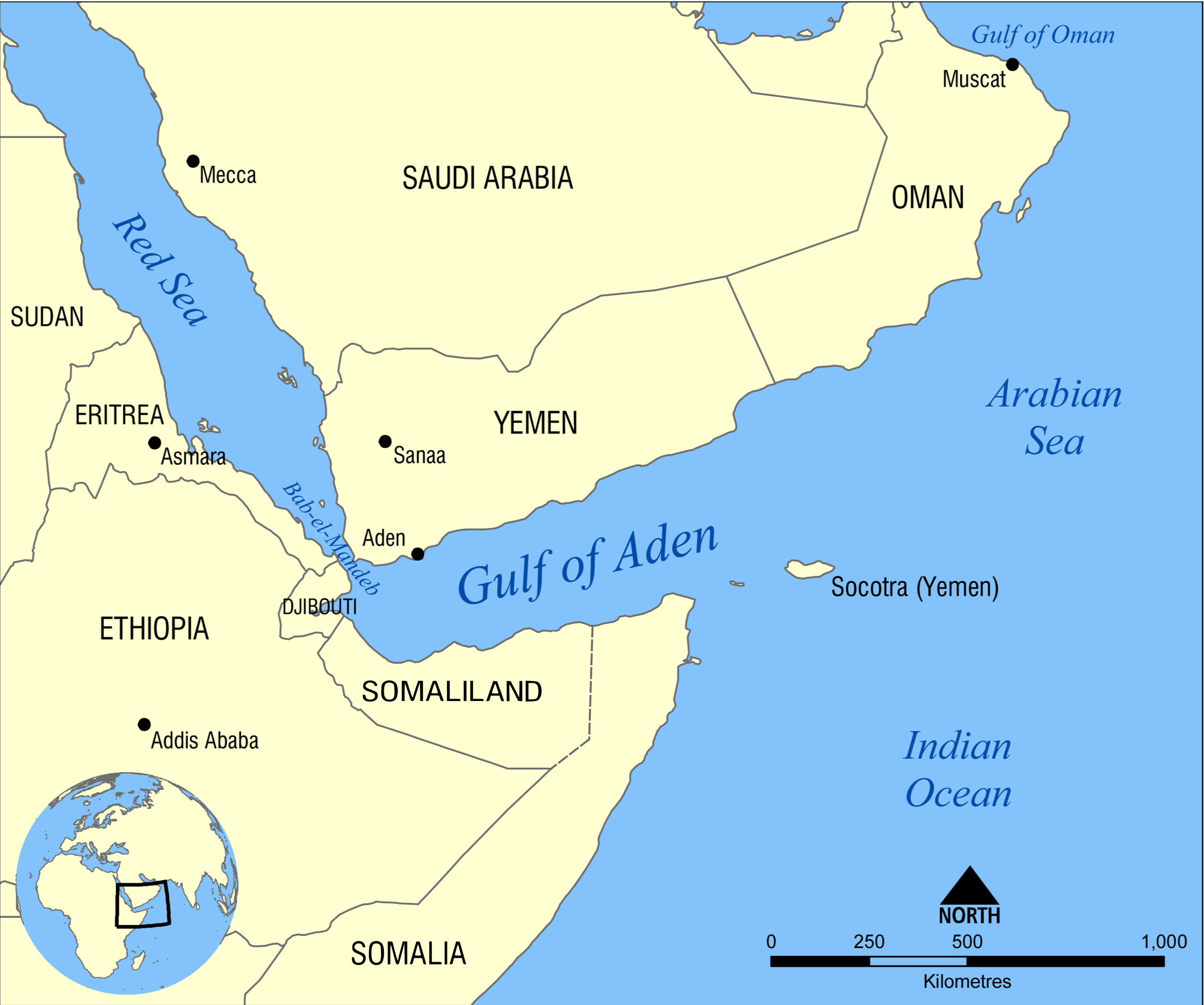
Yemen's Iran-aligned Houthi rebels launched a missile attack on a small cargo ship in the Bab el-Mandeb strait on Tuesday, killing three crew members [1, 2].
The strike underscores the persistent threat to international shipping lanes in the Red Sea, where the Houthis continue to target vessels they believe violate a maritime blockade of Saudi-linked ships [2, 3].
The attack occurred on Aug. 11, 2026 [2]. The missile hit a small cargo ship as it navigated the Bab el-Mandeb strait, a critical chokepoint for global trade connecting the Red Sea to the Gulf of Aden [1, 2].
Reports regarding the specific identity of the vessel and the nationalities of the victims vary. Some reports said the vessel was a Saudi commercial ship and that the three dead included two Pakistanis and one Indonesian [4]. However, other reports describe the target generally as a small cargo ship without specifying the vessel's owner or the crew's nationality [2].
The Houthis have maintained a campaign of attacks against shipping in the region. These operations are framed by the group as a response to vessels that ignore their restrictions on ships linked to Saudi Arabia [2, 3].
Rescue and recovery efforts typically follow such strikes in the strait, though the exact condition of the vessel following the impact was not detailed in available reports [1, 2]. The incident adds to a growing tally of maritime casualties in the region as the group continues its missile and drone campaign against commercial traffic [1].
“Yemen's Iran-aligned Houthi rebels launched a missile attack on a small cargo ship in the Bab el-Mandeb strait.”
This attack demonstrates the continued vulnerability of the Bab el-Mandeb strait, one of the world's most vital maritime corridors. By targeting commercial shipping to pressure Saudi Arabia, the Houthi rebels increase the risk for all merchant vessels in the region, regardless of their actual affiliation. The discrepancy in reporting regarding the ship's nationality highlights the difficulty of verifying real-time maritime data during active conflict zones.


