Yemen's Houthis declared a naval blockade against Saudi Arabia on Monday, with the measure taking effect immediately [1, 2].
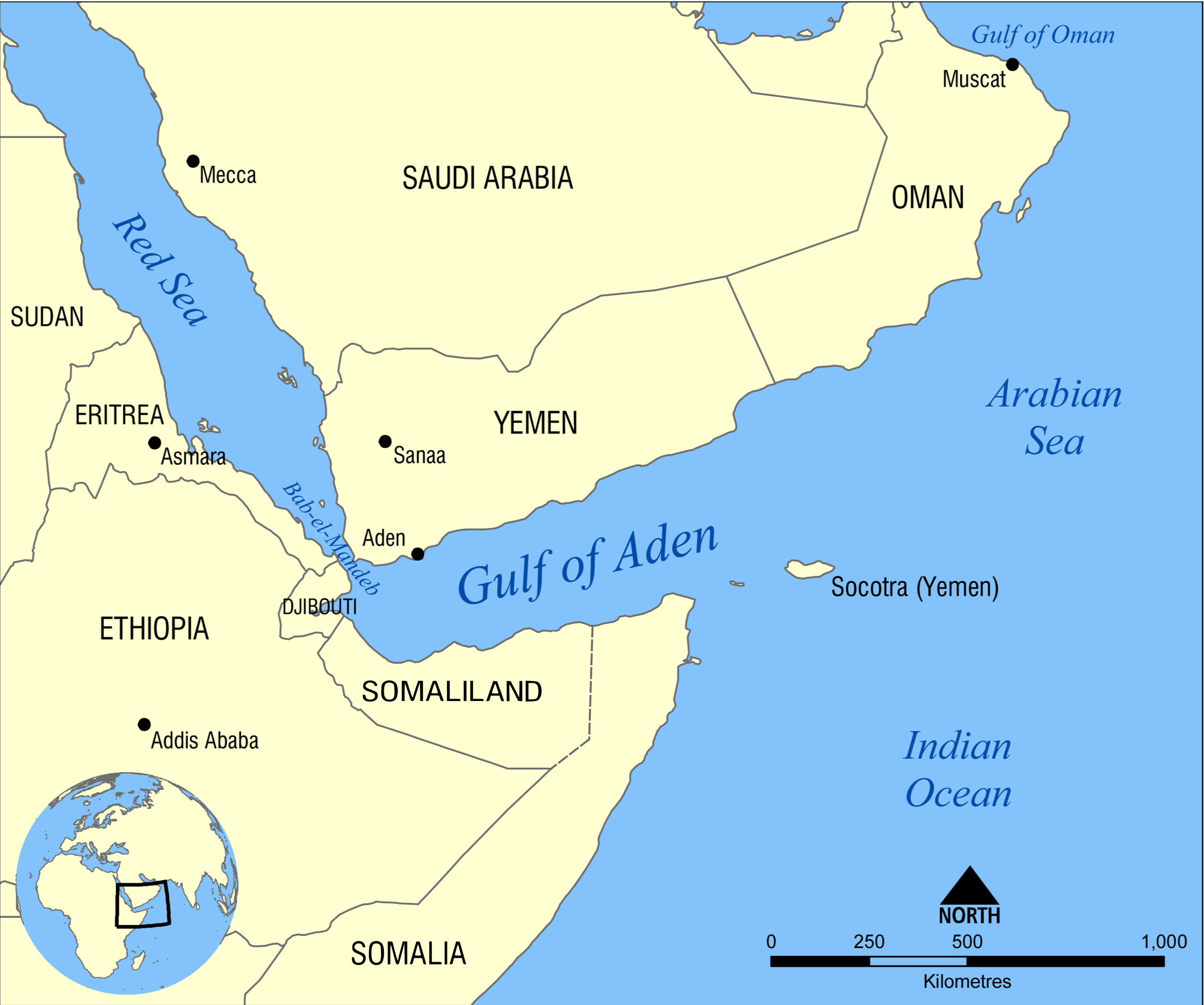
The move threatens one of the world's most critical maritime chokepoints, the Bab el-Mandeb strait. Because this waterway is essential for Saudi Arabian trade and energy exports, any disruption could trigger significant regional economic instability and escalate military tensions in the Red Sea [1].
Ansar Allah, the Iran-aligned militant group, said the blockade is a direct response to a recent attack on Sanaa International Airport [2, 5]. The group framed the decision as a retaliatory measure to pressure the Saudi government.
A Houthi military spokesperson said the action was "based on the equation of 'an eye for an eye', effective immediately" [5].
The strategic location of the Bab el-Mandeb strait makes it a primary target for the group's naval capabilities [1]. By restricting access to this corridor, the Houthis aim to disrupt the flow of goods, and services into the kingdom.
Saudi officials have not yet issued a formal response to the declaration. The blockade comes amid a long history of conflict between the Houthi movement and the Saudi-led coalition, characterized by periodic escalations in drone and missile warfare.
“Houthis declared a naval blockade against Saudi Arabia on Monday”
This escalation signals a shift toward asymmetric naval warfare in the Red Sea. By targeting the Bab el-Mandeb strait, the Houthis are leveraging a geographical bottleneck to exert economic pressure on Saudi Arabia. If the blockade is enforced, it may compel international naval powers to increase patrols to ensure the freedom of navigation, potentially drawing global military assets deeper into the regional conflict.


