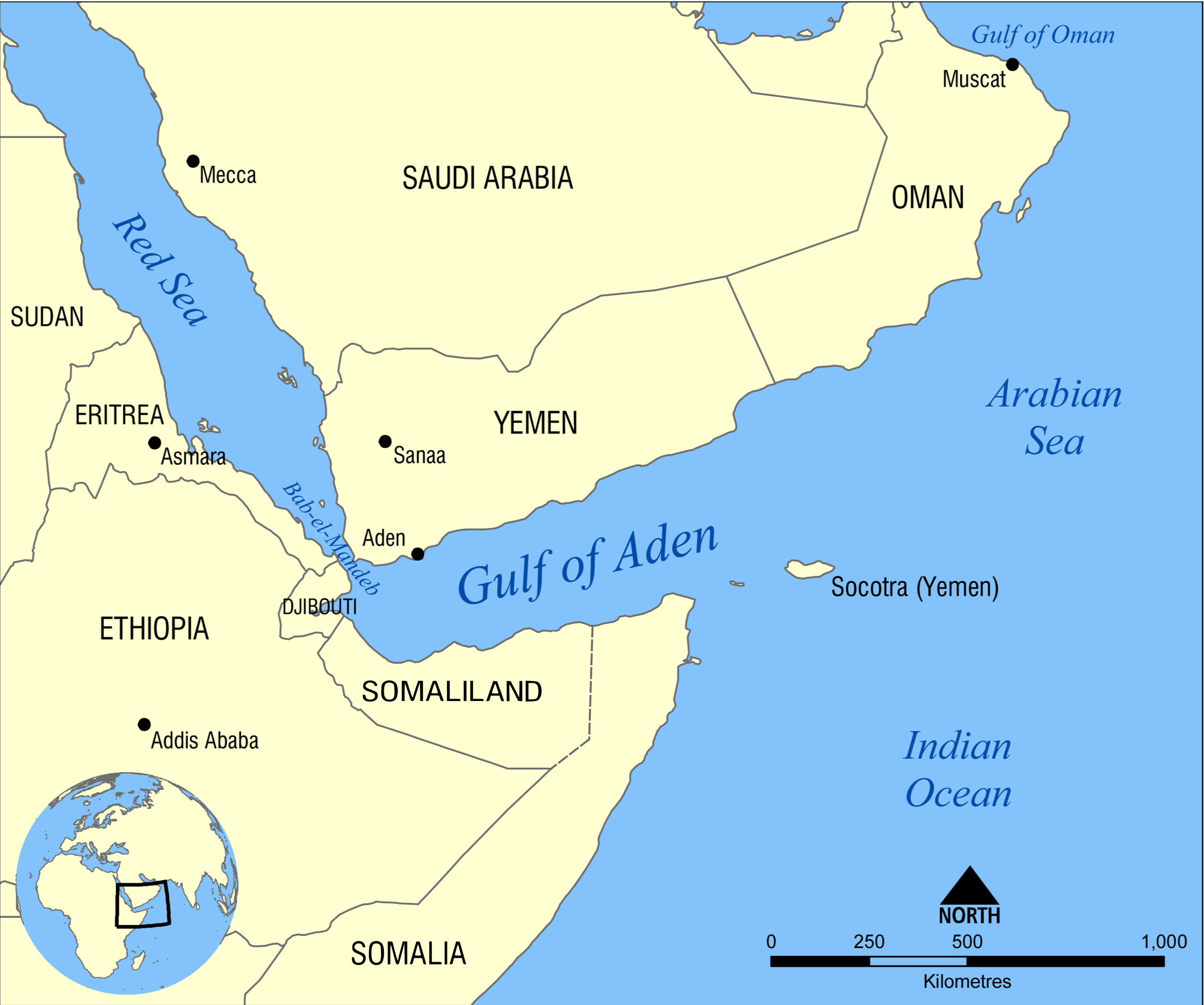
Yemen's Iran-aligned Houthis imposed a naval blockade on Saudi-flagged vessels transiting the Bab el-Mandeb strait on Monday [1].
The move threatens to disrupt a critical maritime chokepoint that serves as the southern gateway to the Red Sea. Because the strait is vital for energy transport, the restriction could destabilize global oil markets and jeopardize regional economic stability.
The Houthis, also known as Ansarullah, said the blockade is retaliation for Saudi-led airstrikes on Yemen [2]. The group is using the restriction to pressure Saudi Arabia as part of a broader strategy against Saudi and U.S. interests [2].
The economic stakes of the blockade are significant. A full closure of the Bab el-Mandeb strait would halt Saudi oil exports to Asia and could reduce the global oil supply by seven percent [1]. Other estimates suggest the blockade threatens 60 percent of Middle East oil exports [3].
Maritime traffic is already facing restrictions. Some reports indicate a potential closure could affect 17.5 percent of traffic by Sept. 30 [3]. However, other reports indicate the embargo is currently in effect without a specific deadline [2].
The Bab el-Mandeb strait is located between Yemen and the coast of Djibouti and Eritrea [1, 3]. It remains one of the most volatile transit points for international shipping due to its narrow geography and proximity to ongoing conflict.
“The blockade threatens 60 percent of Middle East oil exports.”
The blockade represents a tactical escalation by the Houthis to leverage geographic control over a global shipping artery. By targeting Saudi-flagged vessels, the group creates direct economic pressure on Riyadh while signaling their ability to disrupt the global energy supply chain. The discrepancy in projected impact—ranging from a 7 percent global supply drop to a 60 percent threat to regional exports—highlights the high sensitivity of oil prices to instability in this specific corridor.


