
The educational channel MinuteEarth released a video explaining the geological processes that lead to the death of volcanoes.
Understanding volcanic extinction is critical for geologists to predict landscape evolution and assess the long-term stability of tectonic regions.
Volcanoes do not die in a single event but rather through a gradual loss of their magma source. This process typically begins when the tectonic plate moves away from the magma hotspot or when the magma conduit becomes blocked. As the supply of molten rock diminishes, the volcano can no longer erupt, eventually leading to a state of dormancy.
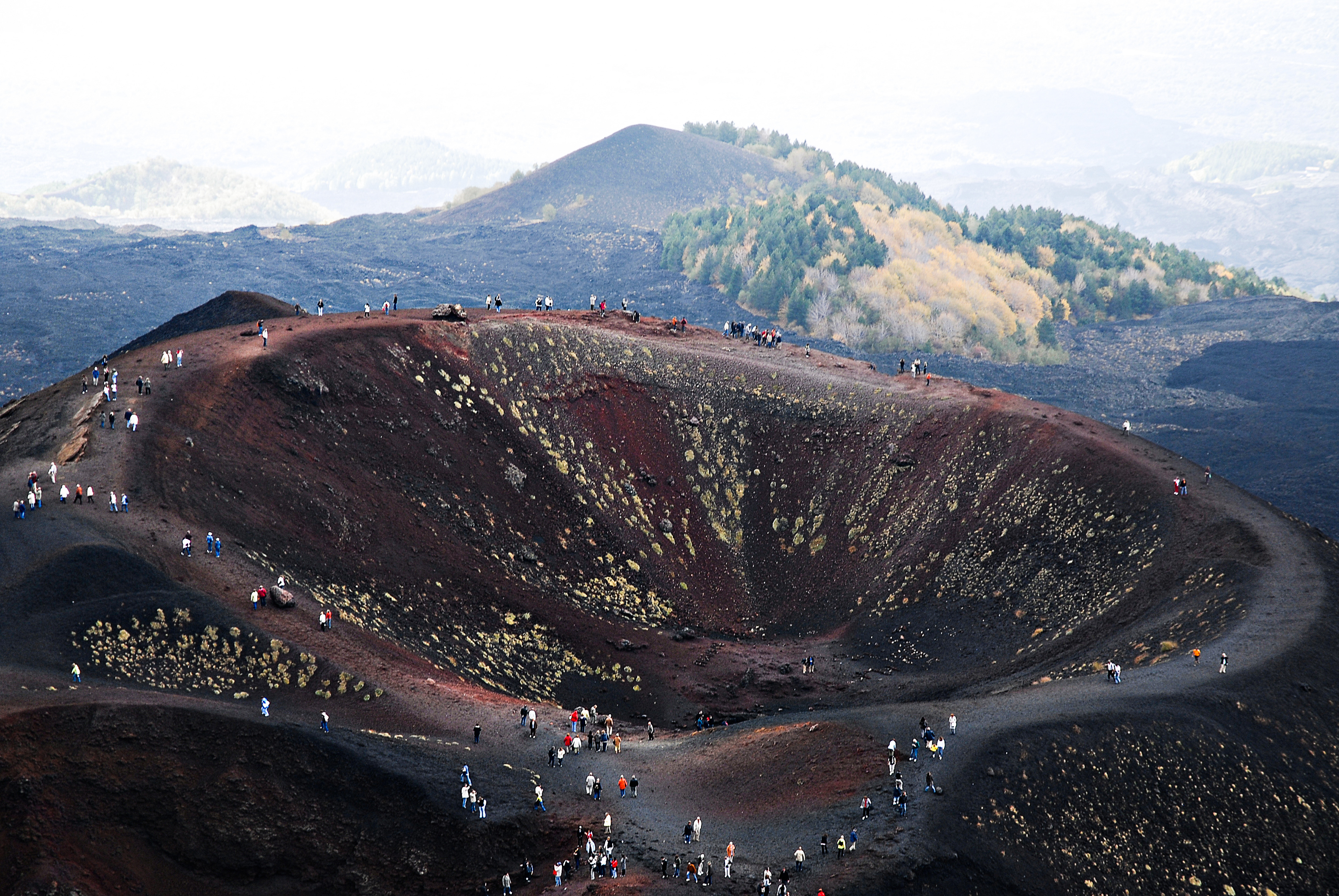
Over millions of years, erosion begins to strip away the volcanic cone. Rain, wind, and ice break down the basalt and ash, leveling the mountain into a plateau. In some cases, the magma chamber beneath the volcano empties completely, causing the ground above to collapse into a caldera.
Once a volcano is classified as extinct, it no longer has a viable path to the mantle. While a dormant volcano may wake up after thousands of years, an extinct volcano lacks the internal heat and pressure necessary for future eruptions. The transition from active to extinct is a fundamental part of the Earth's crustal recycling process.
Geologists identify extinct volcanoes by examining the age of the most recent lava flows. If no activity has occurred for a vast geological period and the magma source has shifted, the system is considered dead. This cycle allows new volcanic chains to form as plates continue to move over stationary hotspots.
“Volcanoes do not die in a single event but rather through a gradual loss of their magma source.”
The explanation of volcanic extinction highlights the relationship between plate tectonics and surface geography. By defining the shift from dormancy to extinction, scientists can better map the movement of tectonic plates over hotspots, providing a historical record of Earth's crustal migration.


