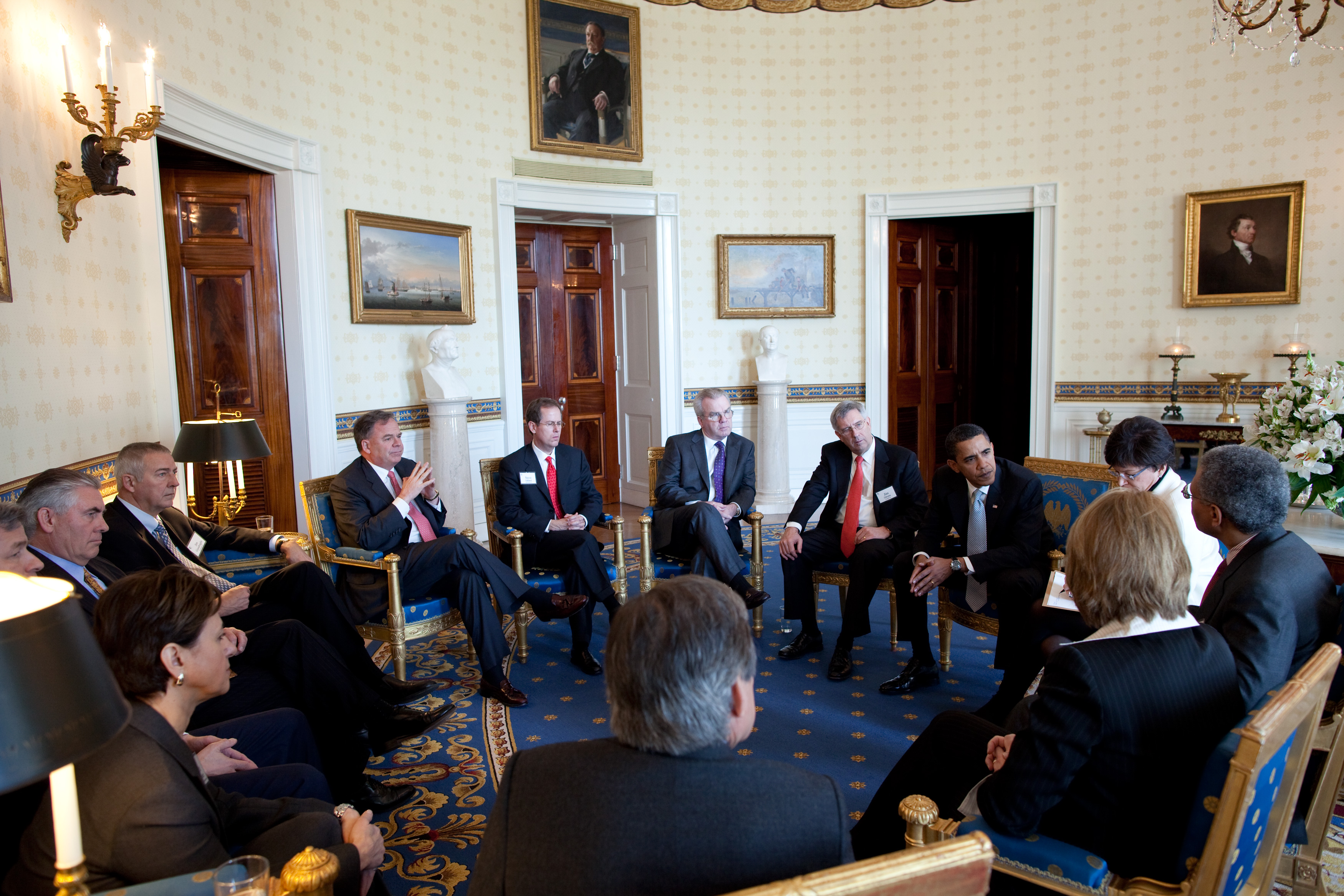
Business leaders are promoting the integration of AI agents and human employees into a single, collaborative workforce to increase productivity [1].
This shift matters because it represents a fundamental change in labor structures, moving beyond simple automation toward a hybrid model where AI agents act as teammates rather than just tools [1, 3].
In a recent discussion, McKinsey Senior Partner Alexis Krivkovich explored the growth of this human-AI workforce [1]. Salesforce CEO Marc Benioff emphasized the importance of maintaining a balance between the two forces. Benioff said, "Human intelligence matters as much as its artificial counterpart" [2].
While executives highlight the promise of this partnership, a disconnect exists between leadership and staff. Some employees view the rise of artificial intelligence as a looming threat to their job security [1, 4]. This tension has contributed to the rise of "shadow AI," where staff use tools without official company approval [4].
According to a survey by HC Magazine, more than 70% of employees use AI tools every week [4]. The survey further noted that up to one-third of these employees do so without IT oversight [4].
Companies are now developing frameworks to bring these uncontrolled activities into the light. On March 10, 2026, Talkdesk announced new observability and simulation tools designed to manage AI and human agents as one workforce [3]. A Talkdesk press release said, "New observability, evaluation, and simulation tools move organizations beyond basic automation toward a comprehensive hybrid workforce strategy grounded in visibility and accountability" [3].
These tools aim to provide the visibility needed to ensure that AI integration is safe and accountable. By establishing clear rules, and partnership frameworks, leaders hope to harness productivity gains while addressing the anxiety of the workforce [1, 4].
“"Human intelligence matters as much as its artificial counterpart"”
The emergence of the 'human-AI workforce' signals a transition from AI as a software utility to AI as a digital colleague. However, the prevalence of shadow AI suggests that employee adoption is currently outpacing corporate governance. The success of this transition depends on whether companies can move from top-down mandates to a transparent partnership model that preserves human value while leveraging machine efficiency.
'%2F%3E%0A%20%20%20%20%3Crect%20width%3D'1600'%20height%3D'900'%20fill%3D'url(%23v)'%2F%3E%0A%20%20%20%20%3Cg%20opacity%3D'0.08'%20fill%3D'%23ffffff'%3E%0A%20%20%20%20%20%20%3Ccircle%20cx%3D'1420'%20cy%3D'180'%20r%3D'220'%2F%3E%0A%20%20%20%20%20%20%3Ccircle%20cx%3D'1500'%20cy%3D'760'%20r%3D'120'%2F%3E%0A%20%20%20%20%3C%2Fg%3E%0A%20%20%20%20%3Cline%20x1%3D'80'%20y1%3D'172'%20x2%3D'220'%20y2%3D'172'%20stroke%3D'%23ffffff'%20stroke-width%3D'3'%20stroke-opacity%3D'0.6'%2F%3E%0A%20%20%20%20%3Ctext%20x%3D'80'%20y%3D'140'%20font-family%3D'Inter%2C%20-apple-system%2C%20Helvetica%2C%20sans-serif'%20font-weight%3D'700'%20font-size%3D'28'%20fill%3D'%23ffffff'%20letter-spacing%3D'6'%3EHANNA%20%C2%B7%20NEWS%3C%2Ftext%3E%0A%20%20%20%20%3Ctext%20x%3D'80'%20y%3D'230'%20font-family%3D'Inter%2C%20-apple-system%2C%20Helvetica%2C%20sans-serif'%20font-weight%3D'600'%20font-size%3D'40'%20fill%3D'%23ffffffb3'%20letter-spacing%3D'4'%3EBUSINESS%3C%2Ftext%3E%0A%20%20%20%20%3Ctext%20x%3D'80'%20y%3D'622'%20font-family%3D'Playfair%20Display%2C%20Georgia%2C%20serif'%20font-weight%3D'800'%20font-size%3D'86'%20fill%3D'%23ffffff'%20letter-spacing%3D'-1'%3EChild%20killed%20after%20tree%3C%2Ftext%3E%3Ctext%20x%3D'80'%20y%3D'721'%20font-family%3D'Playfair%20Display%2C%20Georgia%2C%20serif'%20font-weight%3D'800'%20font-size%3D'86'%20fill%3D'%23ffffff'%20letter-spacing%3D'-1'%3Efalls%20on%20school%20bus%20in%3C%2Ftext%3E%3Ctext%20x%3D'80'%20y%3D'820'%20font-family%3D'Playfair%20Display%2C%20Georgia%2C%20serif'%20font-weight%3D'800'%20font-size%3D'86'%20fill%3D'%23ffffff'%20letter-spacing%3D'-1'%3EMumbai%3C%2Ftext%3E%0A%20%20%20%20%3Ctext%20x%3D'80'%20y%3D'870'%20font-family%3D'Inter%2C%20-apple-system%2C%20Helvetica%2C%20sans-serif'%20font-weight%3D'500'%20font-size%3D'22'%20fill%3D'%23ffffff66'%20letter-spacing%3D'2'%3Enews.hanna-ai.com%3C%2Ftext%3E%0A%20%20%3C%2Fsvg%3E)