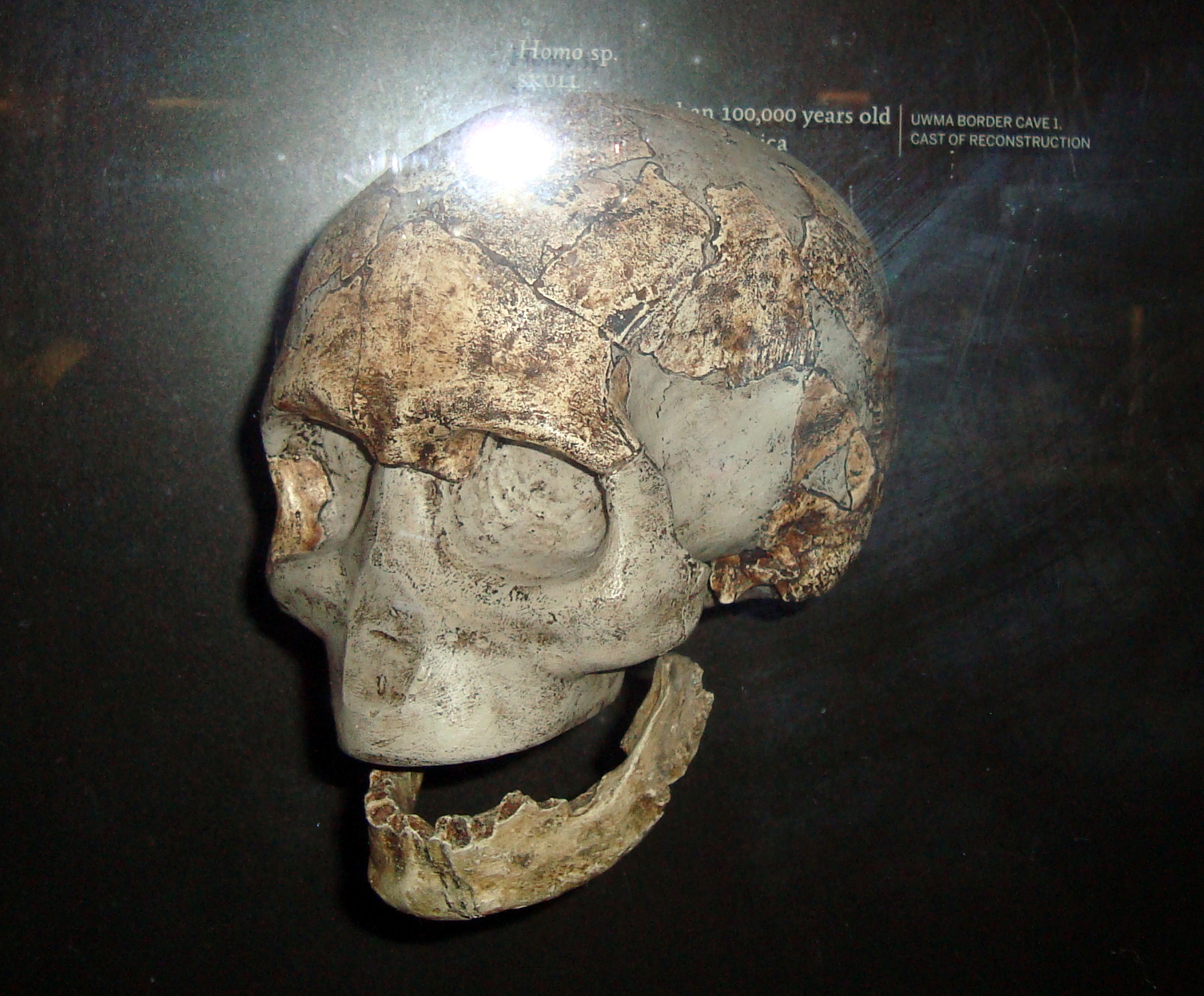
A large brain may be a biological disadvantage compared to the smaller brains of earlier human species that survived longer on Earth [1].
This perspective challenges the traditional view of human evolution as a linear progression toward greater intelligence. It suggests that the metabolic cost of maintaining a massive brain could potentially limit the long-term survival of a species.
Homo sapiens have existed for approximately 300,000 years [1]. In contrast, an earlier human species, often identified as Homo erectus or a similar ancestor, persisted for nearly 2 million years [1]. The vast difference in the duration of these two species suggests that the traits favoring the earlier ancestor were more sustainable over geological time.
Maintaining a larger brain requires significant energy. This high metabolic cost can create a vulnerability for a species, especially during periods of environmental instability or food scarcity. Smaller-brained ancestors thrived for a much longer period because they did not face the same caloric demands [1].
The trade-off involves a balance between cognitive capability, and biological efficiency. While a larger brain allows for complex tool use and social structures, it may decrease the overall resilience of the species against extinction over millions of years [1].
Researchers said that the ability to survive for millions of years is a different metric of success than the ability to dominate an environment quickly. The earlier human species demonstrated a level of stability that Homo sapiens have not yet matched [1].
“A large brain may be a biological disadvantage compared to the smaller brains of earlier human species.”
This analysis suggests that evolutionary success is not solely defined by intelligence or brain volume. By comparing the tenure of Homo sapiens with that of their ancestors, it becomes evident that high metabolic costs may create a biological ceiling, potentially making highly intelligent species more susceptible to extinction than their more energy-efficient predecessors.


