A new official trailer for the video game Hundred Nights: DIFU has been released, showcasing its Chinese-mythology-themed management-simulation gameplay [1, 2].
The release provides a first look at the title's core mechanics and aesthetic, positioning it as a unique blend of mythology and simulation. By integrating traditional folklore with a management loop, the game attempts to carve out a niche in the simulation genre.
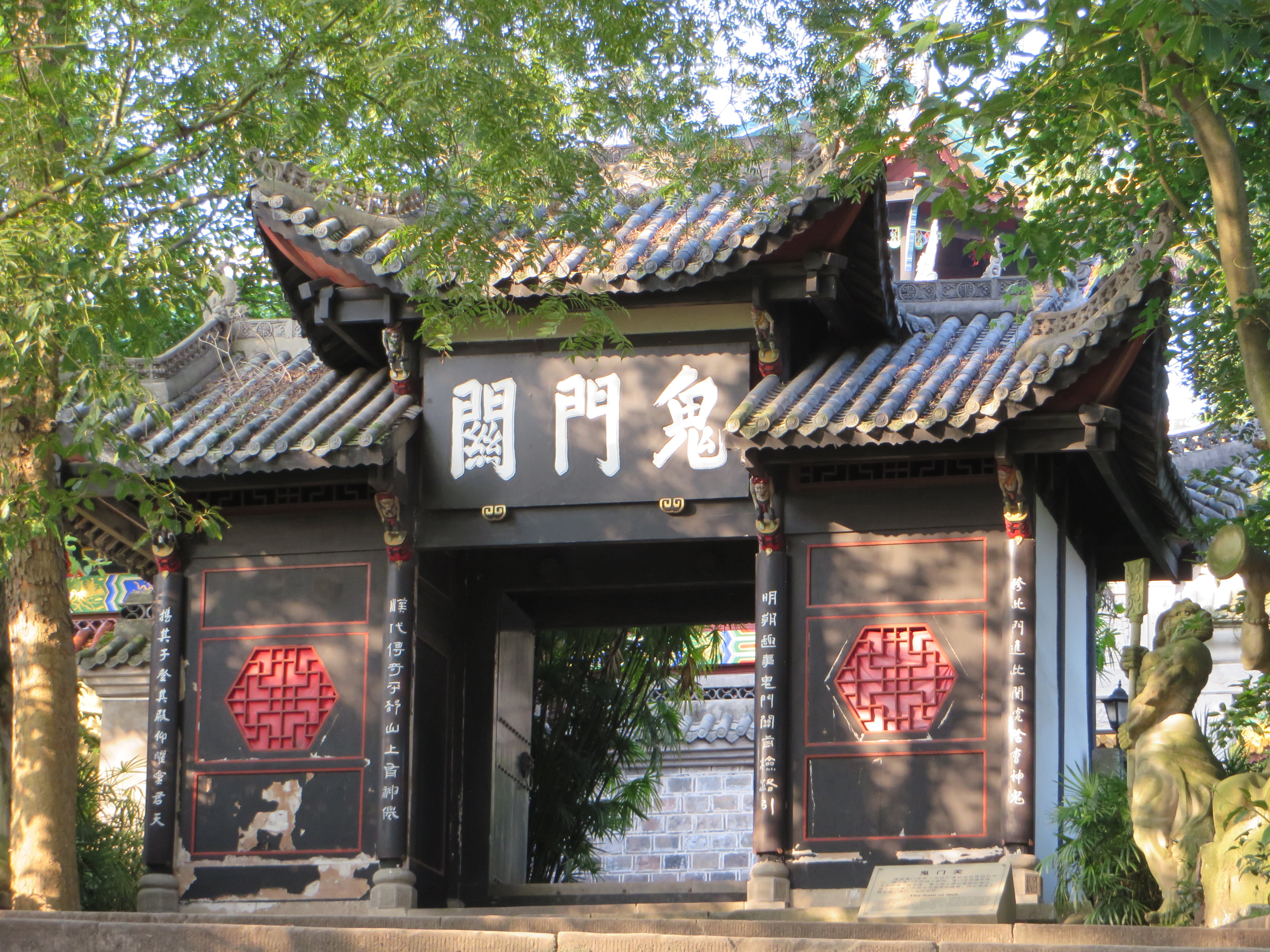
The gameplay is set within the underworld, specifically featuring the environment of Fengdu City [1, 3]. Players are tasked with managing operations in this supernatural setting, utilizing a user interface designed for simulation tasks. The visual style emphasizes mythological characters and the architectural atmosphere of the afterlife [1, 3].
Industry descriptions have compared the experience to other management titles, such as Two Point Hospital, though set within a hellish landscape [1]. The trailer emphasizes the strategic elements of the game, focusing on how players interact with the inhabitants of the underworld to maintain order and efficiency [1, 2].
There is some variation in the naming of the project across promotional materials. While the primary title is listed as Hundred Nights: DIFU, some video listings refer to the project as 100 Nights of Hero [1, 2]. This discrepancy may reflect localized naming conventions or a shift in branding during the game's development.
The trailer is currently available on YouTube and has been featured in previews by IGN [1, 3]. These materials serve to build anticipation and provide a glimpse into the game's operational flow before its full release [1, 2].
“Hundred Nights: DIFU showcases its Chinese-mythology-themed management-simulation gameplay.”
The emergence of Hundred Nights: DIFU reflects a growing trend of integrating specific cultural mythologies into the management-simulation genre. By shifting the setting from traditional hospitals or cities to a mythological underworld, the developers are leveraging a 'theme-park' approach to folklore to differentiate their product in a crowded indie market.


