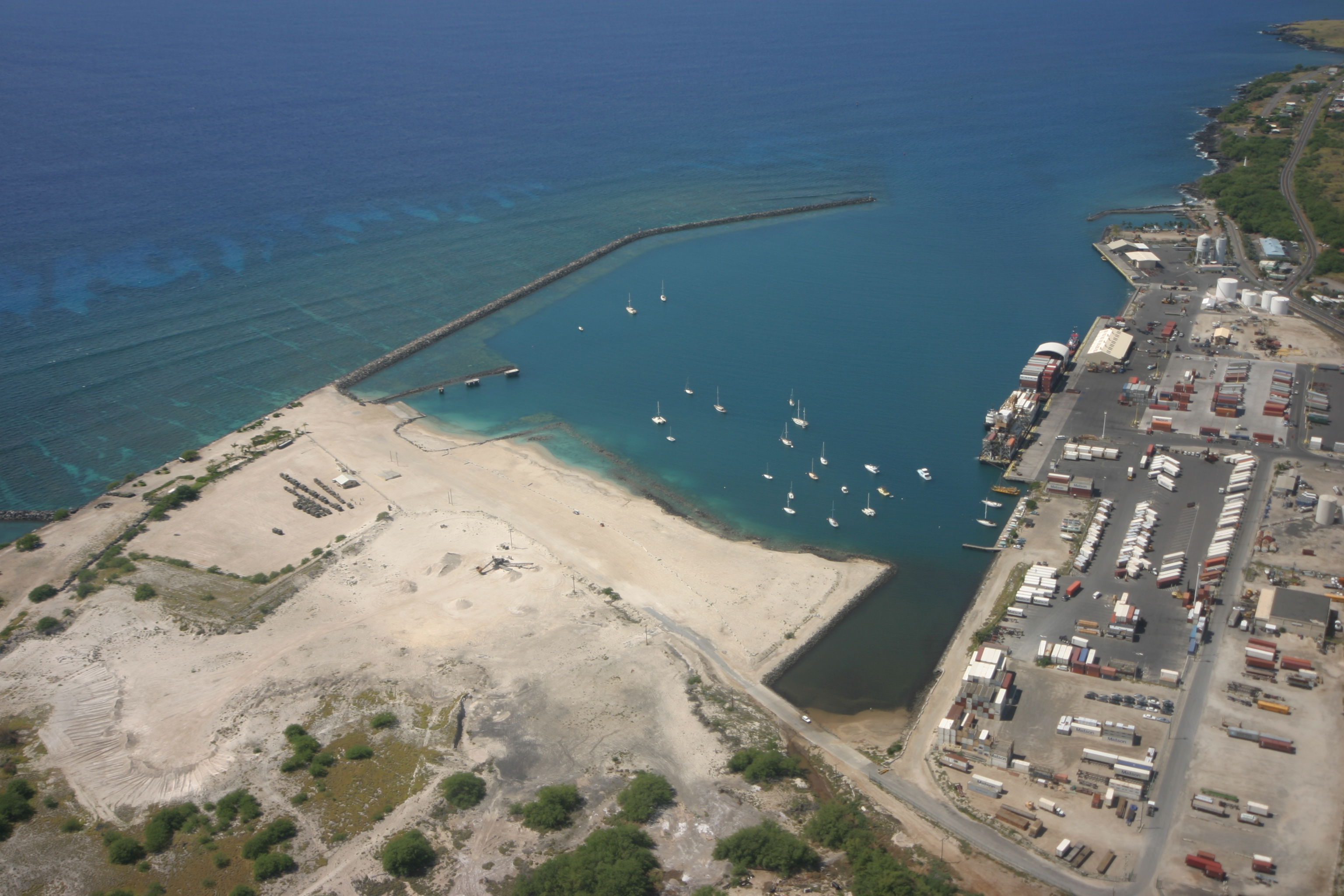
Hurricane Lala struck the southern tip of the Big Island in Hawaii on Sunday, damaging at least 100 homes [1].
The storm's impact highlights the vulnerability of island infrastructure to intensifying tropical cyclones, which bring combined threats of high winds and catastrophic flooding.
The system initially intensified into a Category 1 hurricane with maximum sustained winds of 75 mph [2]. As it moved across the region, the storm weakened to a tropical storm with sustained winds of 70 mph [4].
Heavy rainfall caused significant disruptions across the southern region. Forecasts indicated rainfall totals between 10 and 20 inches, with isolated areas receiving up to 25 inches [2]. These conditions prompted emergency warnings regarding mudslides and life-threatening flooding.
Power outages were widespread as the storm passed. Initial reports indicated that 42,000 customers lost electricity [2]. Later reports showed a significantly higher impact, stating that more than 180,000 utility customers remained without power [3].
Emergency crews have begun assessing the damage to residential structures and utility grids. The storm's trajectory brought the most severe weather to the southern tip of the Big Island, where the combination of wind and rain caused the most concentrated destruction [2].
“At least 100 homes were damaged as Hurricane Lala struck the southern tip of the Big Island.”
The wide discrepancy in power outage reports, ranging from 42,000 to 180,000 customers, suggests a rapidly evolving crisis or fragmented reporting during the storm's peak. The transition from a Category 1 hurricane to a tropical storm did not mitigate the primary risk of flooding, as the high rainfall totals continued to threaten the region with mudslides long after wind speeds decreased.


