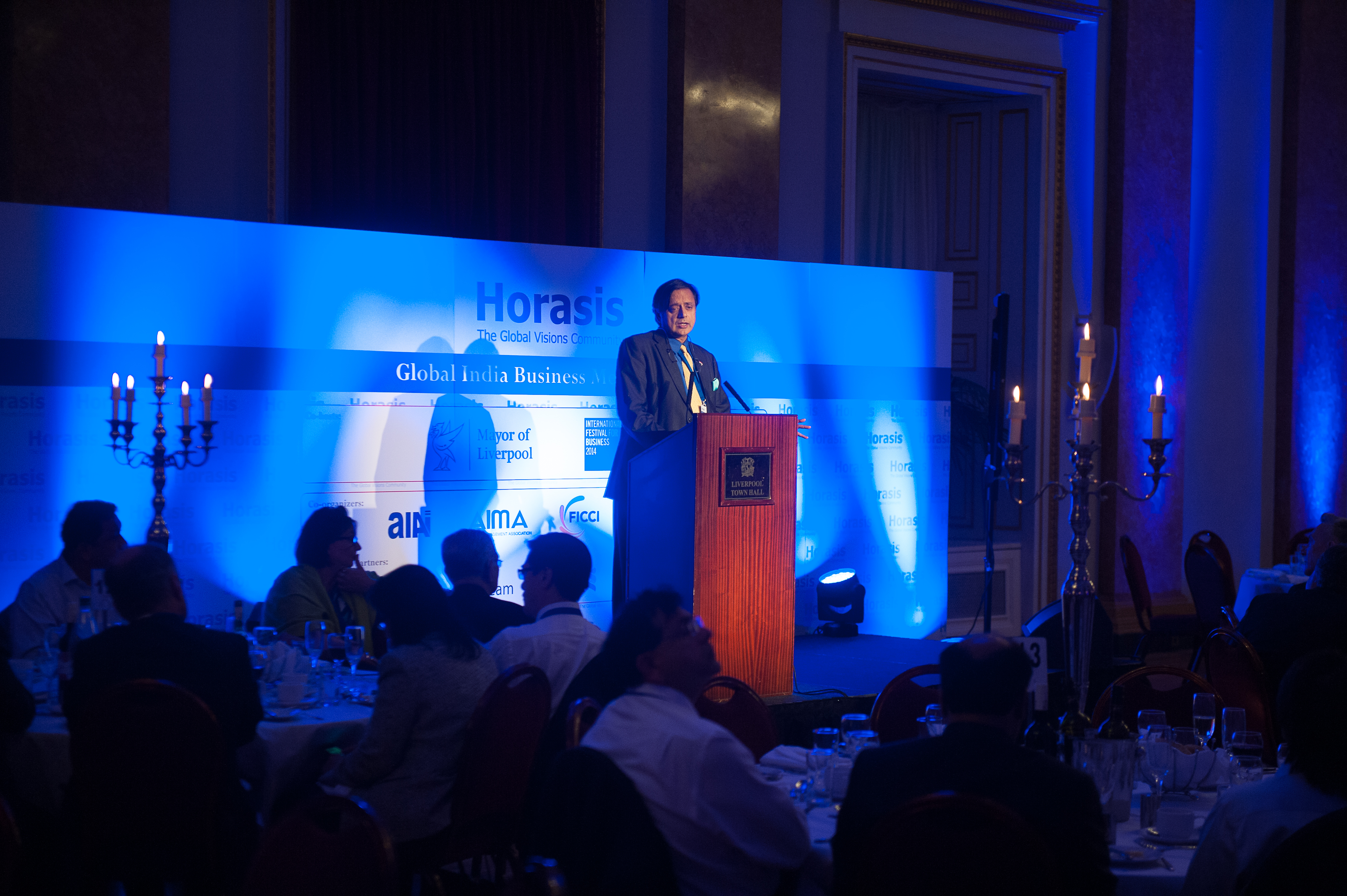
International Atomic Energy Agency (IAEA) Director General Rafael Grossi said the 2015 [1] Iran nuclear deal is no longer a workable model.
This assessment signals a shift in the international approach to non-proliferation. Because Iran's nuclear activities and the regional security environment have evolved, the original Joint Comprehensive Plan of Action (JCPOA) is now considered unsuitable for current realities [1, 2].
In an interview with Al Jazeera on June 2, 2026 [1], Grossi said that any new agreement will have to be very different. He said that the international community must adapt to the reality on the ground, noting that the next framework with Iran will differ significantly from the JCPOA [2].
Grossi said these concerns during a June 28, 2025 [2] interview on CBS "Face the Nation." The IAEA chief has consistently pointed toward the need for a new approach as the technical and political landscape shifts.
While Grossi has expressed the need for a new model, he has also noted that some diplomatic flexibility remains. In a previous statement, he said there is still some room to manoeuvre, but the window is shrinking fast [3].
The IAEA continues to monitor Iranian nuclear sites to ensure compliance with safety standards. However, the Director General's comments suggest that the benchmarks established in 2015 [1] are no longer sufficient to ensure long-term regional stability.
“"The 2015 deal is no longer a workable model; any new agreement will have to be very different."”
The IAEA's admission that the JCPOA is obsolete suggests that diplomacy is moving away from trying to restore the original 2015 agreement. By stating that a new deal must look 'very different,' Grossi is acknowledging that Iran's nuclear advancements have reached a point where simple reversals to previous limits are likely impossible, requiring a new set of constraints and incentives.