
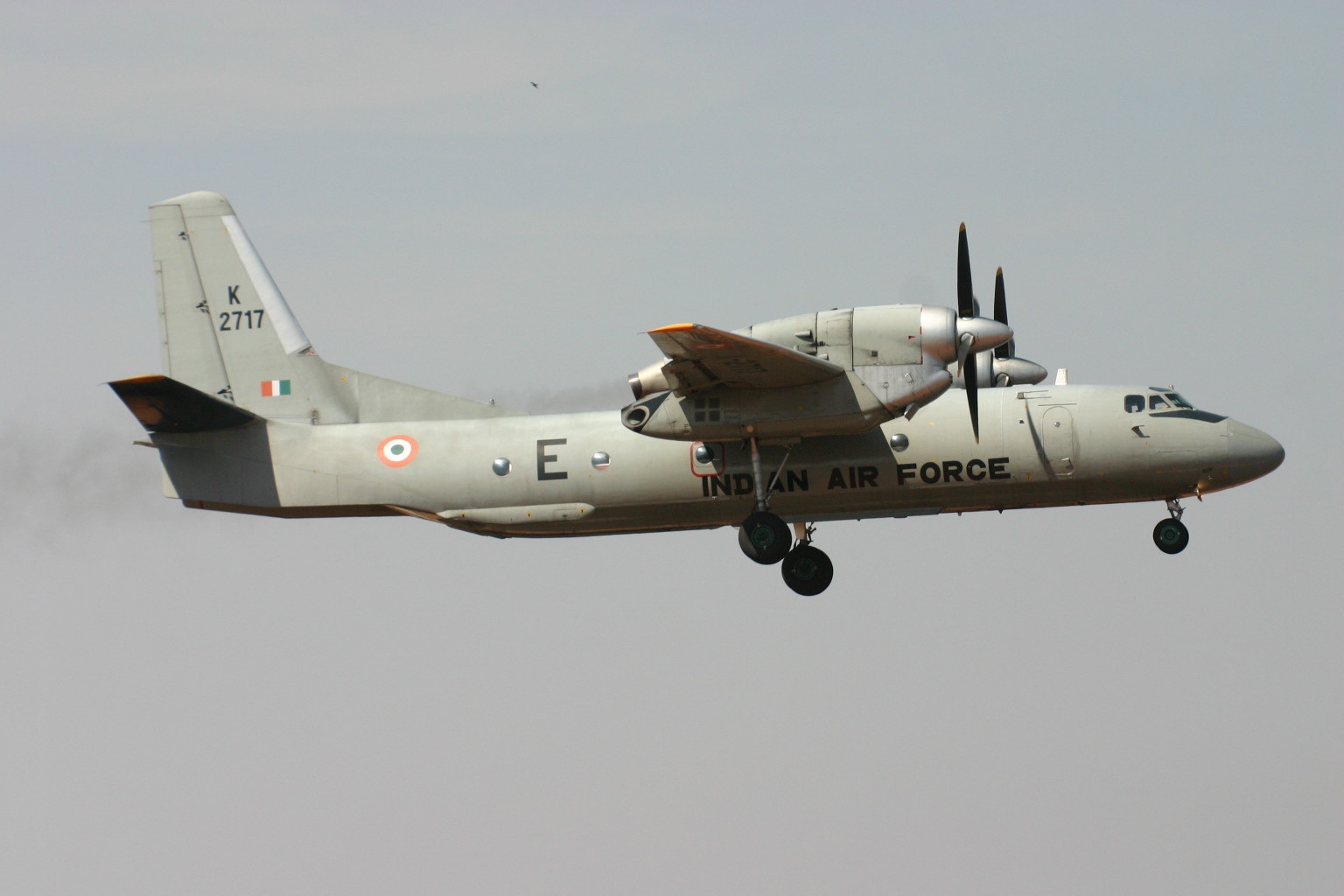
Five Indian Air Force personnel died after an AN-32 transport aircraft crashed at the Jorhat Air Force Station in Assam [1].
The incident highlights the ongoing safety risks associated with the IAF's transport fleet and the operational hazards faced by air crews during routine missions.
Defence Minister Rajnath Singh expressed his grief following the accident. He paid tribute to the five air warriors who died in the crash [1], [2]. The minister said the loss was a sacrifice for the nation.
The aircraft involved was an AN-32, a twin-engine transport plane used extensively by the Indian Air Force for logistics, and troop movement. The crash occurred within the perimeter of the Jorhat Air Force Station, a key military installation in the northeastern state of Assam [1].
The Indian Air Force has ordered a court of inquiry to determine the cause of the accident [1]. Investigators will examine the aircraft's maintenance records and flight data to establish whether the crash resulted from technical failure or human error.
Details regarding the specific flight path and the nature of the mission at the time of the crash have not been released. The military remains focused on recovering all remains and supporting the families of the five deceased personnel [1].
Official statements from the Ministry of Defence emphasize the commitment to improving aviation safety standards across the fleet. The court of inquiry is expected to provide a comprehensive report on the mechanical status of the AN-32 involved in the incident [1].
“Five Indian Air Force personnel died after an AN-32 transport aircraft crashed”
The crash of an AN-32 aircraft underscores the critical need for the Indian Air Force to modernize its aging transport fleet. As the IAF continues to rely on these aircraft for regional logistics, repeated accidents often prompt rigorous safety audits and accelerate the procurement of newer, more reliable transport platforms to reduce personnel casualties.


