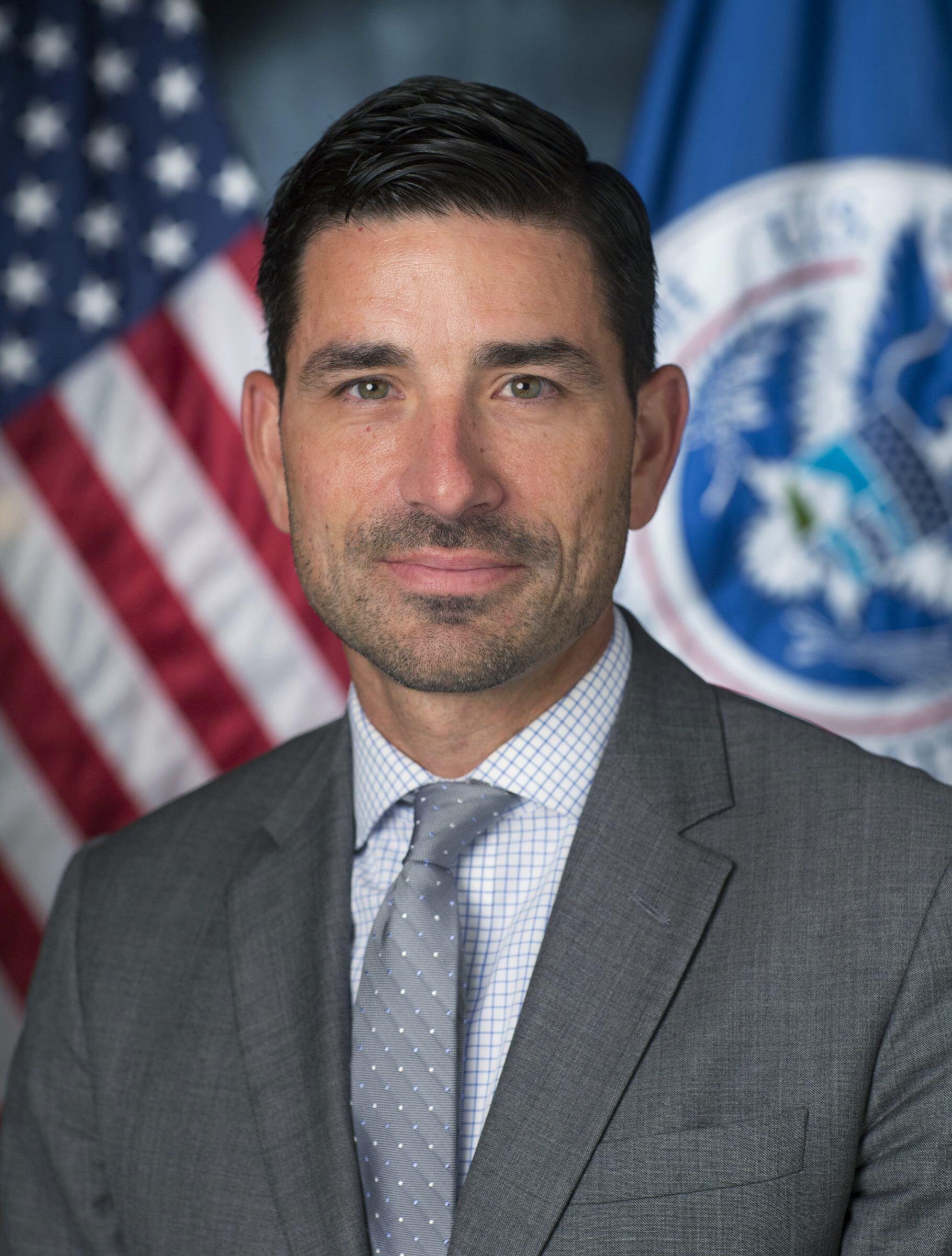
ICE acting director Todd Lyons announced he will resign at the end of May 2026, DHS officials said Thursday.
The departure matters because Lyons’ testimony before Congress sparked heated debate over ICE’s role in addressing gun violence and his labeling of two individuals as domestic terrorists, raising questions about agency leadership and policy direction.
Department of Homeland Security officials confirmed the resignation will take effect on May 31, 2026[1] and that the announcement was made on April 16 or 17, 2026[2]. The timing gives the agency a few weeks to appoint an interim leader before the end of the fiscal quarter.
Lyons was named acting director in March 2025[1], succeeding a period of turnover at the top of the bureau. His tenure has been marked by increased enforcement actions and a push to expand ICE’s role in counter‑terrorism operations.
The controversy erupted after Lyons testified that shootings in several U.S. cities were linked to “domestic extremist networks” and that he considered activist leaders Good and Pretti to be domestic terrorists[3]. Critics argued his statements politicized ICE and could endanger community‑based immigration cooperation.
Republican Sen. Markwayne Mullin said, "a great leader of ICE,"[4] while Democratic Rep. Abigail Jackson said, "an American patriot who made our country safer."[5] Both comments underscore the partisan split surrounding immigration enforcement and national‑security priorities.
Lyons’ exit leaves ICE without a permanent head as the agency prepares for the upcoming congressional appropriations cycle. Senior officials say an interim director will be named within days, but the search for a permanent replacement could be prolonged by the ongoing debate over the bureau’s mission.
The resignation also arrives as immigration policy remains a flashpoint in the 2026 midterm election cycle, with candidates on both sides promising reforms or tighter enforcement, depending on their constituencies.
“"a great leader of ICE," Rep. Markwayne Mullin (R-OK) said.”
Lyons' departure signals a potential shift in ICE's leadership approach at a time when immigration and domestic‑terrorism policies are under intense congressional scrutiny, likely influencing both upcoming budget decisions and the broader political narrative ahead of the 2026 midterms.


