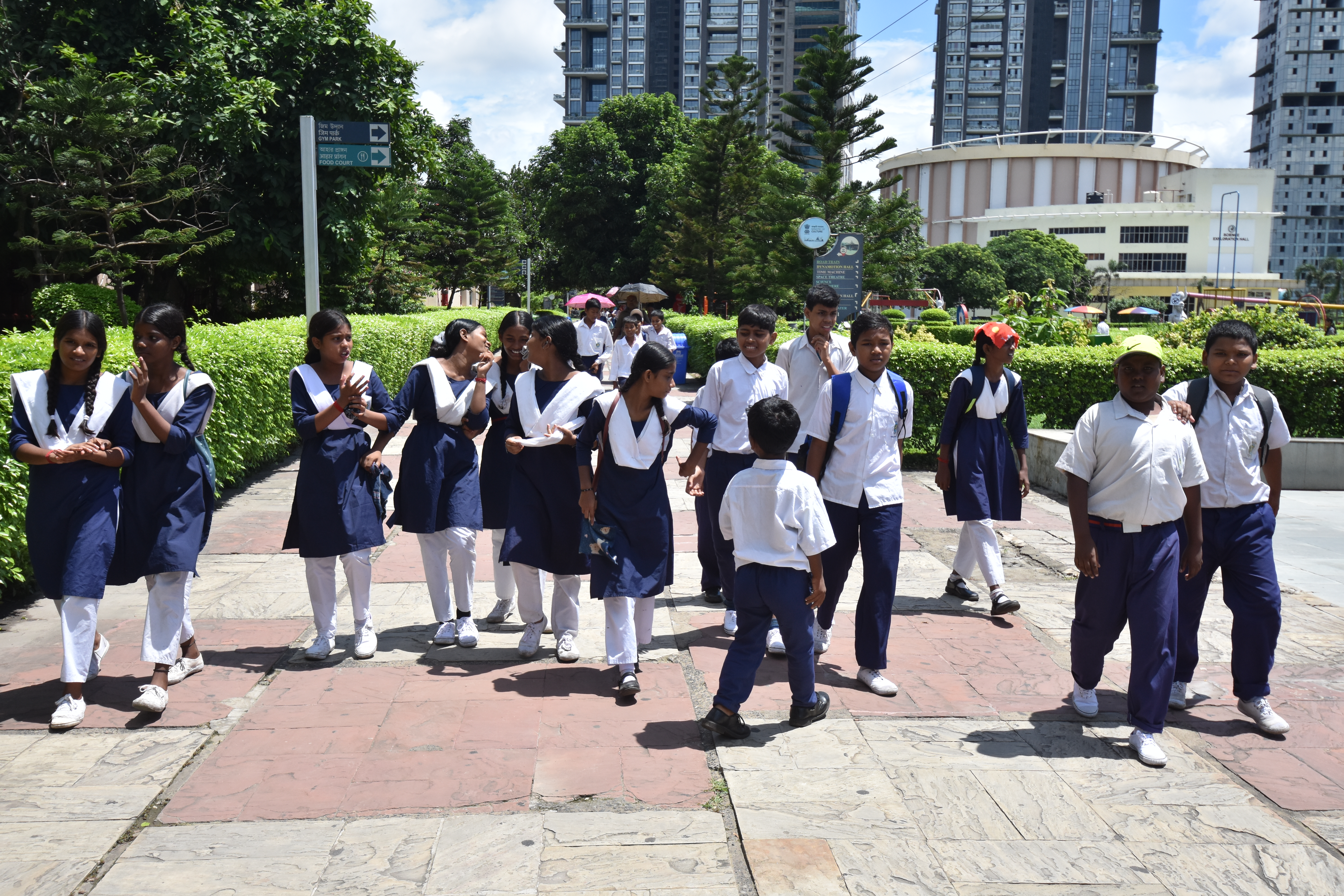
The Indian Institute of Science Education and Research (IISER) has launched a science mentorship program for school students in partnership with the Lodha Foundation.
This initiative seeks to strengthen India's scientific capabilities by engaging students early in their academic careers. By providing hands-on learning opportunities, the program aims to build a pipeline of skilled researchers capable of advancing the nation's technological independence.
The program is designed for students in grades six to nine [1]. It is described as a fully funded science mentorship programme for school students [3]. The application process for the initiative commenced in July 2026 [2].
These efforts coincide with broader recognition of the IISER network's impact on national research. During the seventh convocation in Tirupati, Dr. G. Satheesh Reddy said IISER has a "vital role in enhancing India's scientific capabilities" [1].
Reddy said the development of young talent is critical for the country's future. He said young scientists should drive India’s technological self-reliance [2]. The convocation served as a platform to laud the institutes for their contributions to skill enhancement and scientific research across the region [1].
The collaboration between IISER Pune and the Lodha Foundation focuses on moving science education beyond traditional classroom settings. By integrating practical experience with academic theory, the program intends to foster curiosity, and critical thinking among the youth [3].
“IISER’s vital role in enhancing India's scientific capabilities”
The integration of high-level research institutes like IISER with primary and secondary education suggests a strategic shift toward long-term human capital development. By targeting students as young as grade six, India is attempting to institutionalize scientific inquiry early, reducing the gap between theoretical schooling and professional research to accelerate technological autonomy.


