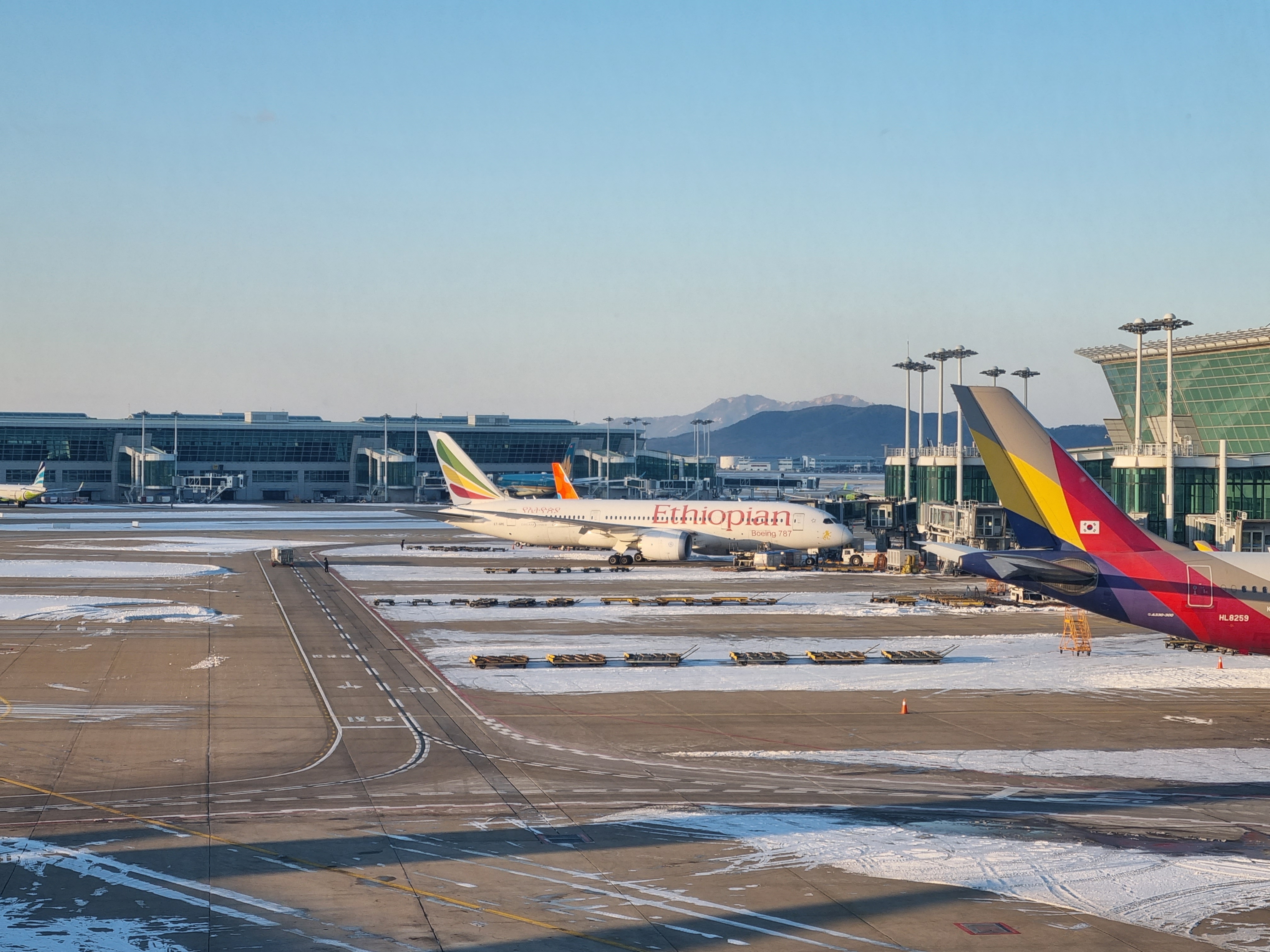
Incheon International Airport reached a cumulative total of 1 billion passengers this month [1].
This achievement marks a significant shift in global aviation dynamics, as the South Korean hub has outpaced historic rivals such as Dubai and Heathrow in growth speed [1, 2].
The milestone comes 25 years and three months after the airport first opened in March 2001 [1]. By reaching the 1 billion mark in this timeframe, Incheon has become the fastest major hub airport globally to achieve such a volume of travelers [1].
Growth at the facility has remained consistent, bolstered by efficient operations and a strategic position in East Asia [1, 2]. The airport has not only hit this long-term cumulative goal, but also continues to lead in short-term traffic metrics [2].
According to data for the first quarter of 2026, Incheon ranked first globally in international passenger numbers [2]. This current ranking reinforces the airport's status as a primary gateway for international travel, reflecting a broader trend of increasing connectivity through South Korea [2].
The airport's trajectory from its opening in 2001 to its current status as a top-ranked global hub demonstrates a rapid scaling of infrastructure and service capacity [1]. This growth has allowed the facility to manage an increasing flow of passengers while maintaining the operational standards required for a primary international transit point [1, 2].
“Incheon International Airport reached a cumulative total of 1 billion passengers this month.”
Incheon's record-breaking pace to 1 billion passengers signals a pivot in global aviation dominance toward East Asian hubs. By outpacing established giants like Heathrow and Dubai, South Korea is consolidating its role as a critical nexus for international transit, leveraging both operational efficiency and regional economic growth to capture a larger share of global passenger traffic.

