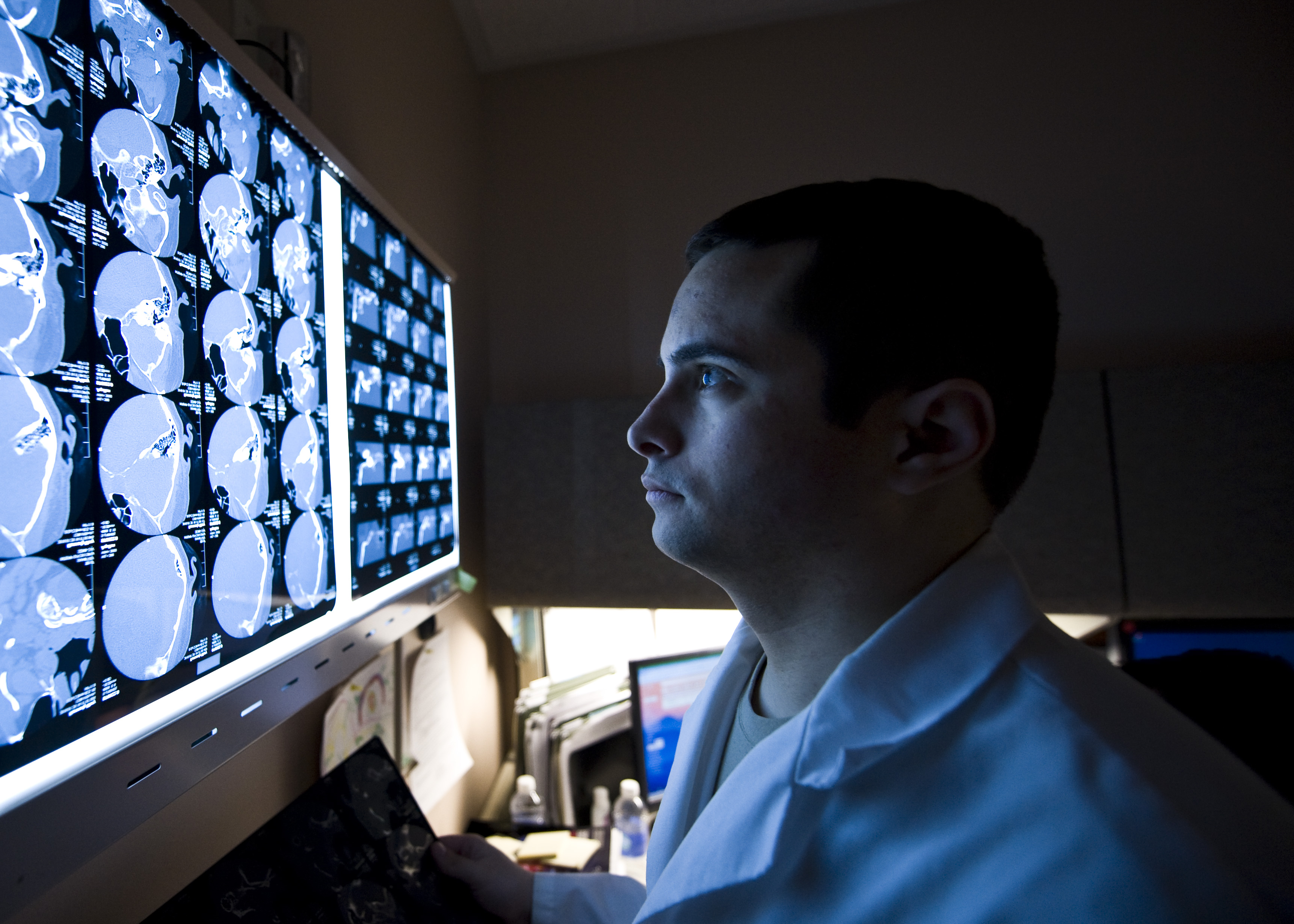
Researchers Husseini K. Manji, Eric J. Nestler, and Patrick J. Kennedy argue that current discussions about brain health often ignore mental illness [1]. They state that the existing narrow focus fails to account for the primary drivers of psychiatric conditions.
This shift in perspective is critical because it could reshape how clinicians treat mental health disorders. By expanding the definition of brain health, the medical community may better understand the biological mechanisms that drive behavioral changes.
Recent research into neuroimaging data analysis suggests that weak or 'discarded' brain connections, often categorized as noise, may be crucial for understanding psychiatric conditions [2, 3]. These overlooked networks may play a significant role in predicting behavioral outcomes and informing future treatments [3].
Historically, brain health conversations have centered on neurodegenerative disorders rather than mental illness. This creates a gap in care where biological interventions for psychiatric conditions are under-researched compared to those for physical brain decay.
Manji, Nestler, and Kennedy said, "Failing to adopt a more inclusive concept of brain health represents a massive loss of human potential" [1].
Integrating these 'noise' connections into clinical models allows scientists to capture a more complete picture of brain function. The researchers argue that the researchers argue that the current exclusion of these signals allows for a missing link in the biological understanding of mental illness [2].
Addressing these gaps requires a shift in both research funding and clinical approach. The goal is to move toward a holistic view of the brain that includes both structural integrity and the complex, weak connections that influence behavior.
“Failing to adopt a more inclusive concept of the brain health represents a massive loss of human potential.”
The move toward an inclusive definition of brain health suggests a transition from viewing mental illness as a separate entity from neurological health. By incorporating 'brain noise' and mental health into the same framework, researchers may better understand a biological basis for psychiatric disorders, potentially leading to more precise, data-driven treatments that move beyond traditional symptom-based diagnosis.
'%2F%3E%0A%20%20%20%20%3Crect%20width%3D'1600'%20height%3D'900'%20fill%3D'url(%23v)'%2F%3E%0A%20%20%20%20%3Cg%20opacity%3D'0.08'%20fill%3D'%23ffffff'%3E%0A%20%20%20%20%20%20%3Ccircle%20cx%3D'1420'%20cy%3D'180'%20r%3D'220'%2F%3E%0A%20%20%20%20%20%20%3Ccircle%20cx%3D'1500'%20cy%3D'760'%20r%3D'120'%2F%3E%0A%20%20%20%20%3C%2Fg%3E%0A%20%20%20%20%3Cline%20x1%3D'80'%20y1%3D'172'%20x2%3D'220'%20y2%3D'172'%20stroke%3D'%23ffffff'%20stroke-width%3D'3'%20stroke-opacity%3D'0.6'%2F%3E%0A%20%20%20%20%3Ctext%20x%3D'80'%20y%3D'140'%20font-family%3D'Inter%2C%20-apple-system%2C%20Helvetica%2C%20sans-serif'%20font-weight%3D'700'%20font-size%3D'28'%20fill%3D'%23ffffff'%20letter-spacing%3D'6'%3EHANNA%20%C2%B7%20NEWS%3C%2Ftext%3E%0A%20%20%20%20%3Ctext%20x%3D'80'%20y%3D'230'%20font-family%3D'Inter%2C%20-apple-system%2C%20Helvetica%2C%20sans-serif'%20font-weight%3D'600'%20font-size%3D'40'%20fill%3D'%23ffffffb3'%20letter-spacing%3D'4'%3ESCIENCE%3C%2Ftext%3E%0A%20%20%20%20%3Ctext%20x%3D'80'%20y%3D'622'%20font-family%3D'Playfair%20Display%2C%20Georgia%2C%20serif'%20font-weight%3D'800'%20font-size%3D'86'%20fill%3D'%23ffffff'%20letter-spacing%3D'-1'%3ECleveland%20Clinic%20Highlights%3C%2Ftext%3E%3Ctext%20x%3D'80'%20y%3D'721'%20font-family%3D'Playfair%20Display%2C%20Georgia%2C%20serif'%20font-weight%3D'800'%20font-size%3D'86'%20fill%3D'%23ffffff'%20letter-spacing%3D'-1'%3ELung%20Cancer%20Screening%3C%2Ftext%3E%3Ctext%20x%3D'80'%20y%3D'820'%20font-family%3D'Playfair%20Display%2C%20Georgia%2C%20serif'%20font-weight%3D'800'%20font-size%3D'86'%20fill%3D'%23ffffff'%20letter-spacing%3D'-1'%3EServices%3C%2Ftext%3E%0A%20%20%20%20%3Ctext%20x%3D'80'%20y%3D'870'%20font-family%3D'Inter%2C%20-apple-system%2C%20Helvetica%2C%20sans-serif'%20font-weight%3D'500'%20font-size%3D'22'%20fill%3D'%23ffffff66'%20letter-spacing%3D'2'%3Enews.hanna-ai.com%3C%2Ftext%3E%0A%20%20%3C%2Fsvg%3E)

