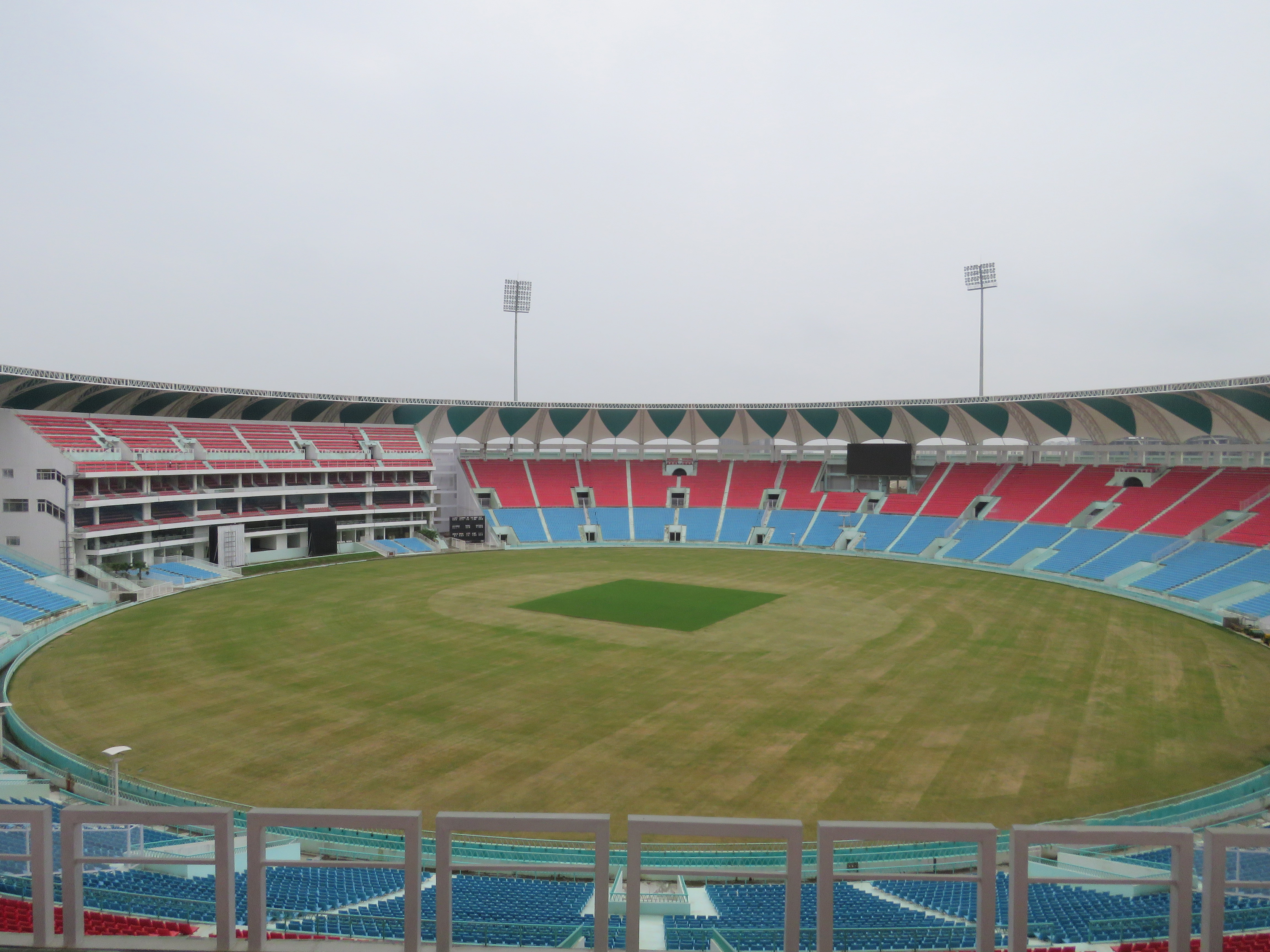
India's batting lineup produced a massive total in the second One-Day International against Afghanistan in Lucknow, crossing the 400-run mark [1].
This performance establishes India's dominance in the current series and reinforces the depth of their batting order during a period of transition. The high score places significant pressure on the Afghan bowling attack and elevates India's standing in the global ODI rankings.
Shubman Gill and Ruturaj Gaikwad were the primary drivers of the innings, providing a dominant display of batting that propelled the team forward [1, 2]. Their combined efforts ensured that India maintained a high run rate throughout the match, turning the contest into a one-sided affair in the batting department [1].
However, the match also highlighted missed opportunities for other players. Yashasvi Jaiswal was promoted up the batting order after Shubman Gill sacrificed his opening spot to accommodate him [2]. Despite the golden opportunity provided by the shift in strategy, Jaiswal failed to capitalize on the promotion and did not make a significant impact on the score [2].
This tactical shift occurred as the team dealt with the absence of Virat Kohli, who was unable to play due to injury [2]. The decision to promote Jaiswal was intended to maximize the team's aggressive potential in the early overs, a strategy that did not yield the expected results for the opener.
Despite the individual struggle of Jaiswal, the overall team performance was historic. This match marked the eighth time India has surpassed 400 runs in the ODI format [1]. The sheer volume of runs scored in Lucknow underscores the current strength of the Indian middle and top order.
“India crossed the 400-run mark for the eighth time in ODIs”
The ability to consistently score over 400 runs demonstrates India's evolving approach to the ODI format, prioritizing aggressive scoring over cautious accumulation. While the victory secures a strong position in the series, the failure of Jaiswal to succeed after a promotion suggests a lack of stability in the opening slots when the primary anchors are shifted.


