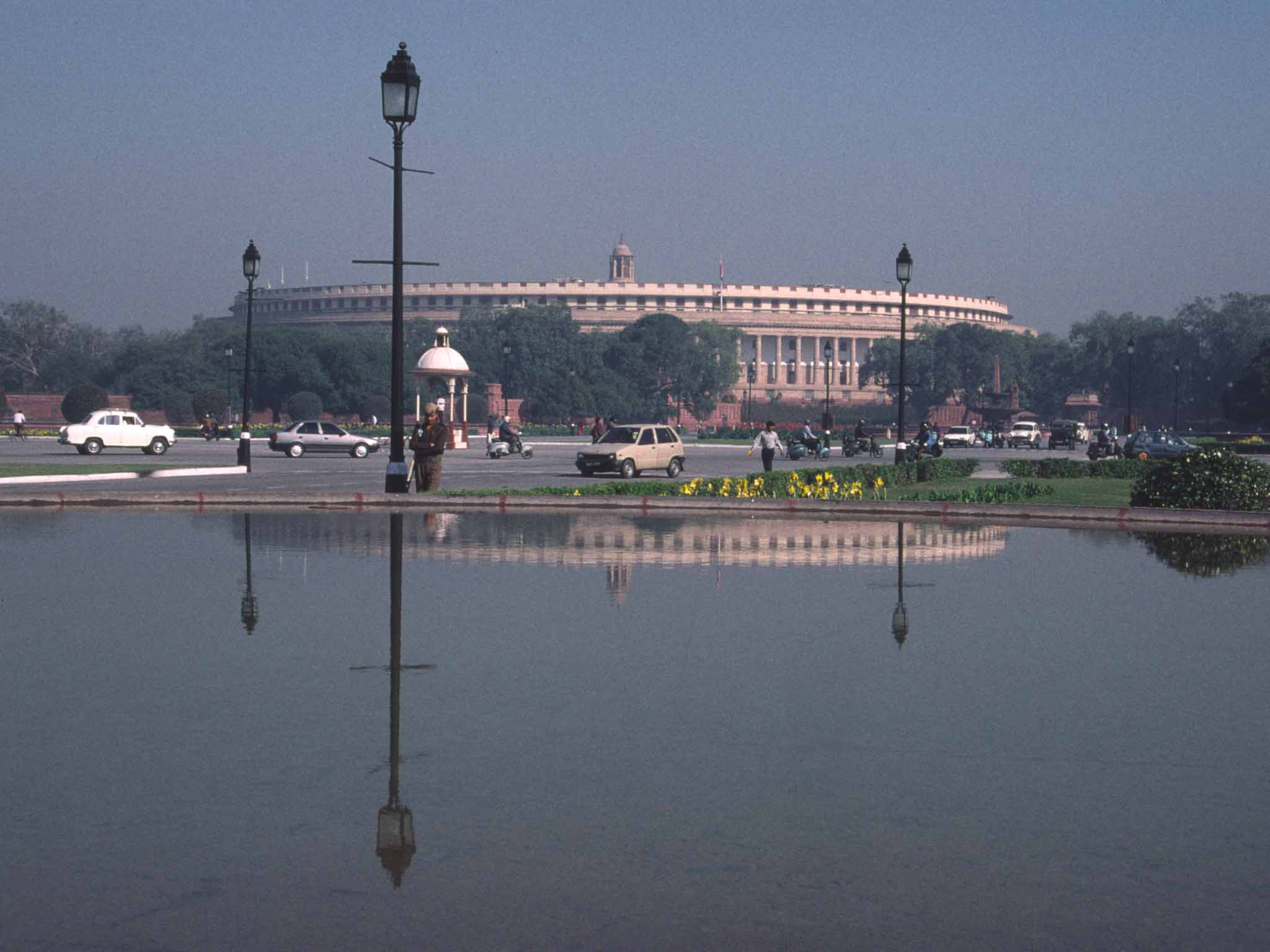
The Indian government convened an all-party meeting today to seek cooperation from opposition parties ahead of the Monsoon Session of Parliament [1, 2].
The meeting aims to prevent legislative deadlock by securing a consensus on the session's functioning. Given the high tension surrounding several national controversies, the government is attempting to avoid the frequent disruptions that often stall parliamentary proceedings.
Officials said that the primary goal is to ensure the smooth functioning of both Houses [1, 2]. The agenda for the discussions includes several high-profile points of contention that have dominated recent public discourse. Among these is the controversy surrounding the National Eligibility cum Entrance Test (NEET) [1, 2].
The government also intends to address the protests led by Sonam Wangchuk [1, 2]. These demonstrations have brought regional and environmental concerns to the forefront of the political agenda. Additionally, the meeting will cover the ongoing dispute regarding the Ram Mandir [1, 2].
By engaging with opposition leaders before the session officially begins, the Centre hopes to establish a framework for debate that prevents the session from collapsing. This approach is intended to allow for the passage of necessary legislation without prolonged interruptions from the opposition benches [1, 2].
While the government seeks a collaborative atmosphere, the depth of the disagreements over the NEET exams and the Ram Mandir row suggests that reaching a full consensus may be difficult. The outcome of today's meeting will likely determine whether the upcoming session is characterized by productive debate or legislative stalemate [1, 2].
“The government is attempting to avoid the frequent disruptions that often stall parliamentary proceedings.”
This meeting signals the Indian government's recognition that the Monsoon Session faces significant risks of disruption. By proactively addressing the NEET controversy, Sonam Wangchuk's protests, and the Ram Mandir dispute, the Centre is attempting to manage opposition volatility. The success of this outreach will indicate whether the government can maintain a legislative mandate or if the opposition possesses enough leverage to obstruct the session's primary goals.


